Indian Express
Externed for protests, home after 7 months: Journey of SDPI leader Saeed Ahmed Abdul Wahid Choudhary behind HC ruling
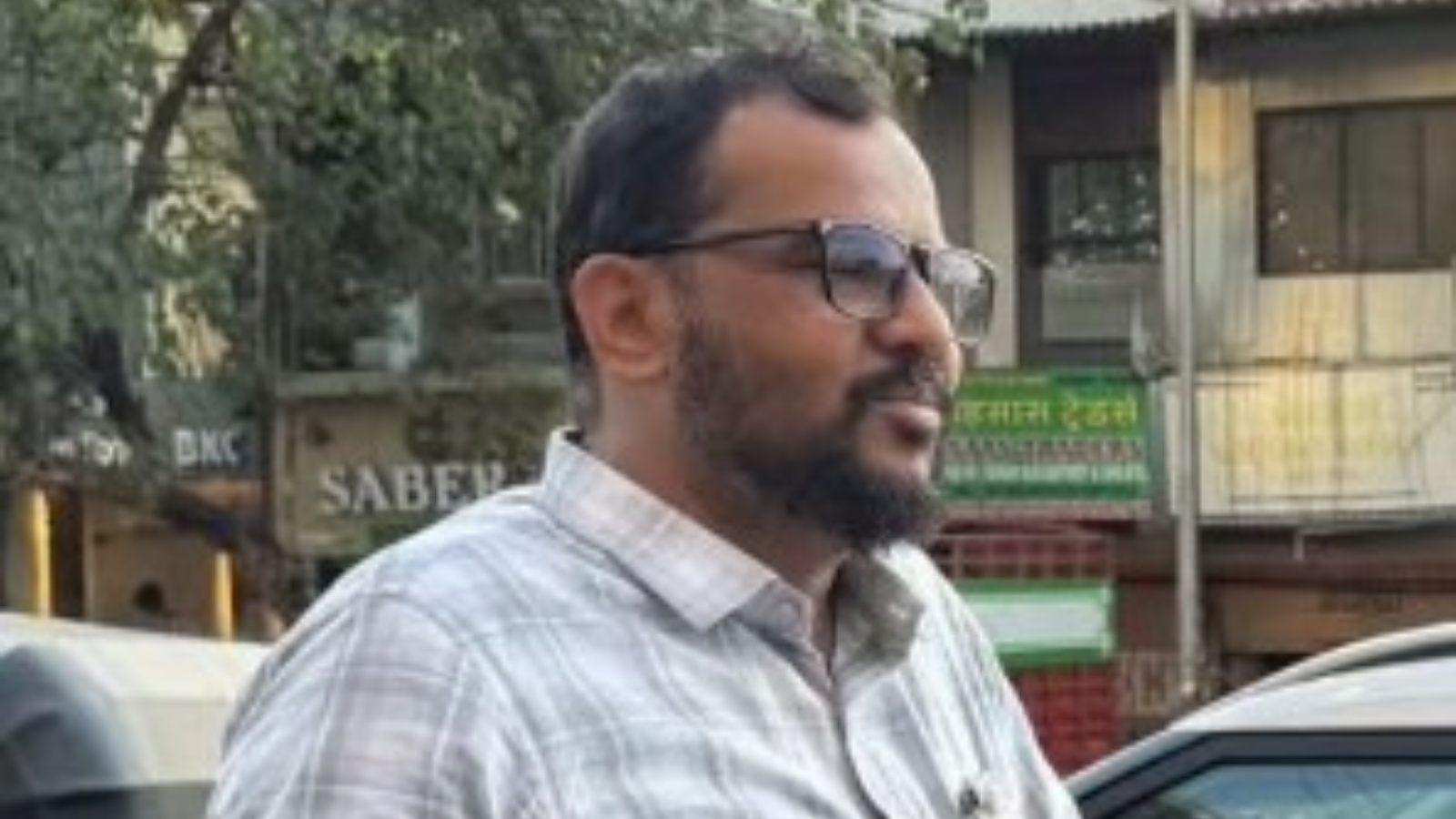
When Mumbai Police externed Saeed Ahmed Abdul Wahid Choudhary from the city in December last year, the 51-year-old SDPI functionary packed his belongings, rented a room in Mumbra with four colleagues and stayed away from his home in Chembur for nearly seven months. On Thursday, hours after the Bombay High Court quashed the externment order, he drove straight back home.
For nearly a decade, Choudhary has been a regular at protest sites across Mumbai’s eastern suburbs. From demonstrations against the Citizenship Amendment Act (CAA) and the National Register of Citizens (NRC) to annual protests marking the demolition of the Babri Masjid, agitations over the Gyanvapi mosque dispute, campaigns against restrictions on azaan loudspeakers and local protests against ready mix concrete plants in the Chembur-Govandi belt, he has built his political career around street mobilisation.
The Bombay High Court on Thursday held that the state could not extern him merely for organising protests against government decisions, observing that there was no material to show his activities caused alarm, danger or harm to the public.
A resident of Chembur’s Mahul Road, Choudhary runs a transport and construction material supply business. A Class VIII dropout, he says he first became involved in local social work before joining the Social Democratic Party of India (SDPI) around 2015. He is now the party’s Maharashtra general secretary and has also contested elections. In the 2024 Lok Sabha polls, he contested from Mumbai South Central but finished far behind the leading candidates.
According to the High Court order, the cases relied upon by Mumbai Police while seeking his externment stemmed largely from protests organised by Choudhary as an SDPI office-bearer. The FIRs, registered between 2019 and 2024, were mostly under Section 188 of the Indian Penal Code for allegedly violating prohibitory orders after permission for demonstrations had been denied.
“There are around five cases against me and almost all of them relate to protests,” Choudhary said. “We raised slogans against government policies. There were no allegations of violence.”
His first prolonged detention came during the anti-CAA protests, when he was held under preventive provisions for around 10 days before being released.
Story continues below this ad
His legal troubles deepened in 2025. During former BJP MP Kirit Somaiya’s Loudspeaker Free Mumbai campaign in Chembur, Choudhary and other SDPI workers staged a protest. He was detained and later released after paying a fine. A few months later, he led another demonstration against alleged air pollution caused by the presence of cement godowns in residential parts of the Chembur-Govandi area, following which another case was registered.
In October 2025, Mumbai Police issued him a showcause notice under Section 56 of the Maharashtra Police Act proposing his externment. The notice alleged that his activities were causing, or were likely to cause, alarm, danger and harm to the public and property. On December 3, Choudhary and four other SDPI activists were externed from Mumbai for one year.
He challenged the order before the Divisional Commissioner, Konkan Division, but his appeal was dismissed in March this year.
He then approached the Bombay High Court.
His lawyers argued that none of the cases against him involved violence or offences that justified invoking the extraordinary powers of externment. Accepting the contention, Justice Madhav Jamdar held that the material on record only showed that Choudhary had organised protests and raised slogans against decisions of the Union government. Alleged offences under Section 188 IPC, the court said, could not justify depriving a citizen of the fundamental right to move freely.
Story continues below this ad
The SDPI, which fought the case, also welcomed the verdict. “Citizens are not slaves of the government. The police must serve the Constitution, not political masters. The High Court’s verdict is a powerful reminder against the misuse of state power,” SDPI state president Azhar Tamoli said.
For Choudhary, the verdict meant an immediate return home after months away.
“We rented a room in Mumbra and stayed there together. It affected my family, my business and my political work. As soon as I came to know about the verdict I drove back home to Mumbai,” he said.
Reflecting on the judgment, he added, “This is not only about me. The judgment reinforces that peaceful protest is a democratic right. In a democracy, citizens have the right to question the government. If people stop raising their voice, democracy loses its meaning.”
View original source — Indian Express ↗
Related stories

RNZ
TechnologyJul 4, 2026 · 1 min
Paul Goldsmith seeks advice on protection of electoral systems from growing AI threat
RNZ

VnExpress
TechnologyJul 4, 2026 · 1 min
Thai air crew recruited on social media to smuggle drugs into Australia
VnExpress
The Guardian
TechnologyJul 4, 2026 · 1 min
Ukraine war briefing: Germany calls reports Russian soldiers are being trained in China ‘deeply disturbing’
The Guardian
ABC News
TechnologyJul 4, 2026 · 1 min
Trump made huge profits from his crypto. Did anyone else?
ABC News