
Rio Times
Brazil Takes Back Power Lines a Builder Never Built — and Auctions Them Again
Business
Key Facts
—The auction. On July 3, Brazil’s power regulator reauctioned four transmission concessions, drawing pledges of about R$1.8bn ($358m) in investment.
—The winners. Alupar, through its Olympus consortium, took the largest lot in São Paulo, while Axia, the former state utility Eletrobras, won the other three.
—The backstory. The lines had been stripped from MEZ Energia, which won them in 2020 and 2021 but never built them.
—The competition. Bidders offered to run the lines for far less than the ceiling revenue, an average discount of about 53 percent.
—The prize. Each concession runs for 30 years, paid through a guaranteed annual revenue set by the regulator and adjusted for inflation.
—The stakes. The lots span São Paulo, Mato Grosso and Mato Grosso do Sul, with the biggest due to start operating in 2031.
A quiet auction in São Paulo on Friday tells a bigger story about how Brazil keeps its lights on. The latest Brazil transmission auction was a do-over, handing four power-line projects to new owners after the first winner failed to build them.
On July 3, Brazil’s electricity regulator, known as Aneel, held the second session of its transmission auction on the São Paulo stock exchange. Two players walked away with the work: Alupar, the country’s largest private transmission company, and Axia, the generation business carved out of the former state power giant Eletrobras.
Together the winners committed to roughly one and eight-tenths billion reais, about three hundred and fifty-eight million dollars, to build and run the lines. The deal matters because these are not new projects but old ones being rescued.
Why this Brazil transmission auction was a second chance
The four concessions were originally won by a firm called MEZ Energia, tied to the Zarzur family behind the São Paulo builder Eztec. MEZ took the lines in aggressive bids during auctions in 2020 and 2021, then failed to build them on the timetables its contracts demanded.
When the schedules slipped, Aneel recommended that the government cancel the concessions, a penalty known locally as caducity. The government then negotiated a settlement with the company through a mediation body at the federal audit court, clearing the way to put the projects back on the block.
For a foreign reader, the takeaway is about follow-through. Brazil’s system rewards companies that actually deliver, and it has a mechanism to take the work away from those that do not and hand it to someone who will.
How the money works
Brazil pays for its power lines through a model built for patient investors. The winner does not sell electricity but earns a fixed yearly payment, called the permitted annual revenue, in exchange for building and maintaining the line for thirty years, with the sum adjusted each year for inflation.
In the auction, companies compete by offering to do the job for less than the maximum revenue the regulator will allow. On Friday the winning bids came in far below that ceiling, an average discount of about fifty-three percent, a sign of how keenly firms want these steady, inflation-linked returns.
Alupar’s consortium, formed with the infrastructure fund Infra II, took the largest lot, a set of underground lines serving greater São Paulo, with investment near one and one-tenth billion reais. Axia won the remaining three lots, spread across the interior of São Paulo and the farm states of Mato Grosso and Mato Grosso do Sul.
The São Paulo lot is the heavyweight of the batch, covering thirty-five kilometres of new lines and a large block of transformation capacity to reinforce the grid around the country’s biggest city. It is expected to create more than two thousand direct jobs during construction and to begin commercial operation in June 2031.
Axia, for its part, bid aggressively across its three lots, offering discounts above fifty percent in every contest. The company is heavily exposed to Brazil’s power build-out and treats these regulated lines as a steady counterweight to the more volatile business of selling electricity.
Why grid lines are a hot asset
Brazil is in the middle of a huge push to expand its grid, because most of its new wind and solar power is generated far from the cities that use it. Getting that electricity to market means thousands of kilometres of new lines, and the government has lined up a series of auctions to pay for them.
That steady pipeline of contracted, inflation-protected income is exactly what global pension funds and infrastructure investors have been chasing in Brazil. It is why names from Canada’s pension managers to Colombia’s Grupo Energía Bogotá have been buying up the country’s transmission assets.
Friday’s rebid slots neatly into that story, putting stalled but valuable projects back into the hands of companies with the balance sheets to finish them. The biggest line is due to start carrying power in 2031.
What happened in the Brazil transmission auction?
On July 3, Brazil’s power regulator Aneel reauctioned four transmission concessions on the São Paulo exchange. Alupar and Axia won the lots, committing about one and eight-tenths billion reais to build and operate the lines.
Why were the concessions auctioned again?
The lines had first been won by MEZ Energia in 2020 and 2021, but the company never built them on schedule. Aneel recommended cancelling the concessions, and after a settlement they were offered again to new bidders.
How does a company make money from these lines?
The winner earns a fixed yearly payment, set by the regulator and adjusted for inflation, for building and maintaining the line over a thirty-year concession. Bidders compete by offering to do the work for less than the maximum revenue allowed, which is why Friday’s winning offers carried steep discounts.
The Rio Times · Power Map
See who really holds power in Latin America
Click to open the Power Map →
View original source — Rio Times ↗
Related stories

Mexico News Daily
BusinessJul 4, 2026 · 1 min
Are we seeing light at the end of the tunnel for Mexico’s economy? A perspective from our CEO
Mexico News Daily

CNBC
BusinessJul 4, 2026 · 1 min
I've worked with over 5,000 kids: I swear by this No. 1 parenting rule—it's 'surprisingly simple'
CNBC

CNBC
BusinessJul 4, 2026 · 1 min
The World Cup sends prediction market volumes soaring to record highs
CNBC
Bloomberg
BusinessJul 4, 2026 · 1 min
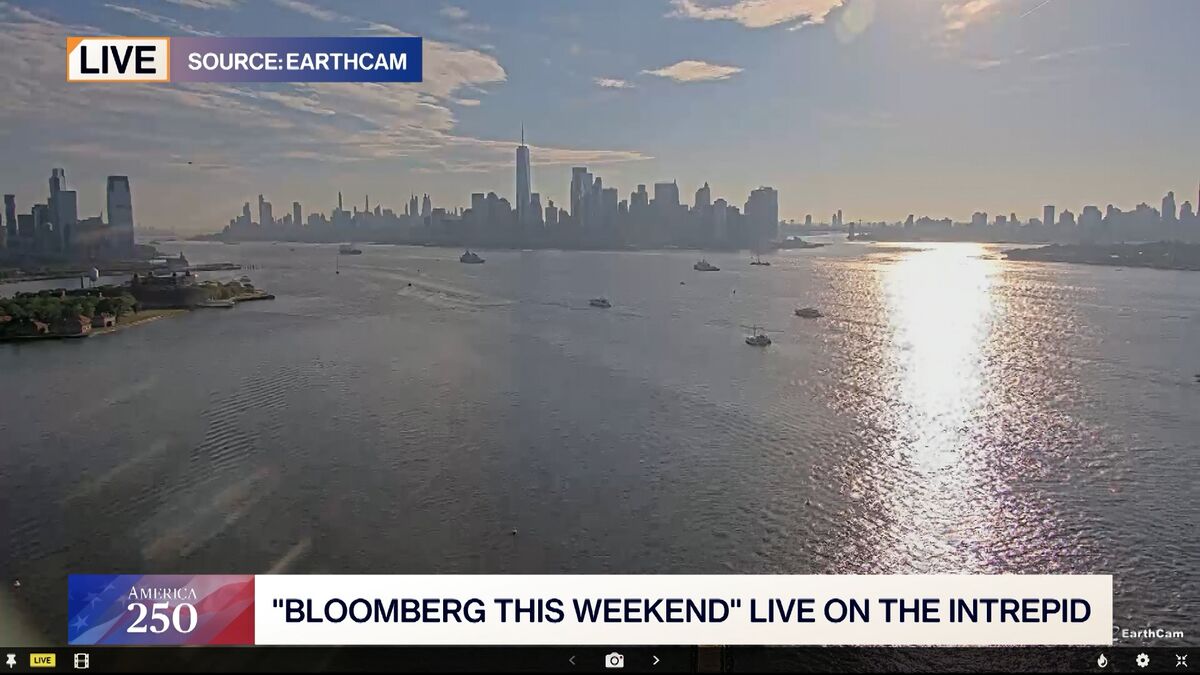
NY Harbor Celebration Echoes Revolutionary Past
Bloomberg