ABC News
Pay increase the final straw for struggling small businesses
When Broken Hill couple Shelley and David Garnaut purchased a small corner store in 2007, they were optimistic about its long-term viability.
At its peak in 2015, the store's income enabled them to cover costs, retain six staff and pay Ms Garnaut a wage.
However, the couple, now in their 60s, have been forced to close their doors due to a dwindling customer base and rising costs.
"We've been battling, really battling," Ms Garnaut said.
Ms Garnaut said their electricity costs had risen from $3,000 to $5,000 in the past 12 months.
The final straw came this week with a 6 per cent increase to the minimum wage and new requirements for employers to pay superannuation every pay cycle.
"There was just no way [to stay open]," Ms Garnaut said.
"David and I [were] working more and more [and we] only had [our staff] for a couple of hours a day.
"I cut them back to try and keep them employed and [it] just still didn't work."
Small business 'not for the faint-hearted'
The Garnauts' J&K store, one of the city's few remaining corner stores, had been open for 70 years before its closure last week.
It is one example of Broken Hill's small business landscape changing at the start of the new financial year.
A local cafe recently announced its closure due to rising costs after only 15 months in operation.
Meanwhile, other businesses have begun displaying signs advising customers of price increases to help offset rising wage and utility costs.
David Trinder, who has owned and operated restaurants in the city for more than 40 years, said he was planning to increase prices.
"Business at the moment is not for the faint-hearted, particularly in hospitality, given the short-staffing solutions," Mr Trinder said.
"Price rises are an ongoing problem that we face … like everything else, everything goes up, and we try to be reasonable in our application to price rises."
He said the government should do more to support small businesses.
"Your power bills come around every three months, your gas bills every month … you have multiple accounts, it affects your cash flows, and it's constantly rising," Mr Trinder said.
"That's one item I believe should be addressed."
NSW Small Business Commissioner Kalina Koloff said she recognised the impact of rising cost pressures on small businesses, including wages and fuel.
She said small business owners in financial distress should seek support.
"This might include, for example, having a conversation with the Australian Taxation Office on meeting financial obligations or with their local ServiceNSW Business Concierge for access to advice, tools and training," she said.
Ongoing national issue
AMP chief economist Shane Oliver is not surprised to hear Broken Hill businesses are struggling under increased financial pressure.
Mr Oliver said the government's slow phasing out of the fuel excise from this month was likely another contributing factor, as many regional small businesses relied on freight to source their goods.
"Small business is often fairly sensitive to any changes in their costs, and they often operate on very thin margins," Mr Oliver said.
"These sorts of changes coming all together, particularly the rise in the minimum wage [and] also the increase in fuel prices, could have quite a significant impact on small business."
Mr Oliver also said other communities across the country, both in urban and regional areas, were likely experiencing a similar strain.
"[It's] been a continuous issue since we came out of the pandemic, these cost increases, and of course the situation in the Middle East was just the latest cost shock," he said.
Federal Small Business Minister Anne Aly acknowledged that proprietors were doing it tough.
She said the government was providing support, including "making the $20,000 instant asset write-off permanent, and saving businesses $127 million through removing nuisance tariff and compliance costs".
"In recognition of this important change, we've given small businesses three years to prepare for payday super," she said.
Meanwhile, Ms Garnaut, who is looking forward to fewer early morning starts despite not being ready for full retirement, is concerned about the future of other local businesses.
"I hope that they stay on top of everything [and] keep their doors open, but with the way everything's going. It will be a struggle."
Email address
View original source — ABC News ↗
Related stories

Times of India
BusinessJul 4, 2026 · 1 min
Ex-CFO of RCap, Amit Bapna, held in connection with ADAG probe
Times of India

Bloomberg
BusinessJul 4, 2026 · 1 min
Germany’s Second Chance for Growth Rebound Starts Now
Bloomberg

Bloomberg
BusinessJul 4, 2026 · 1 min
Venezuela Quake Death Toll Climbs to Nearly 3,000
Bloomberg
Times of India
BusinessJul 4, 2026 · 1 min
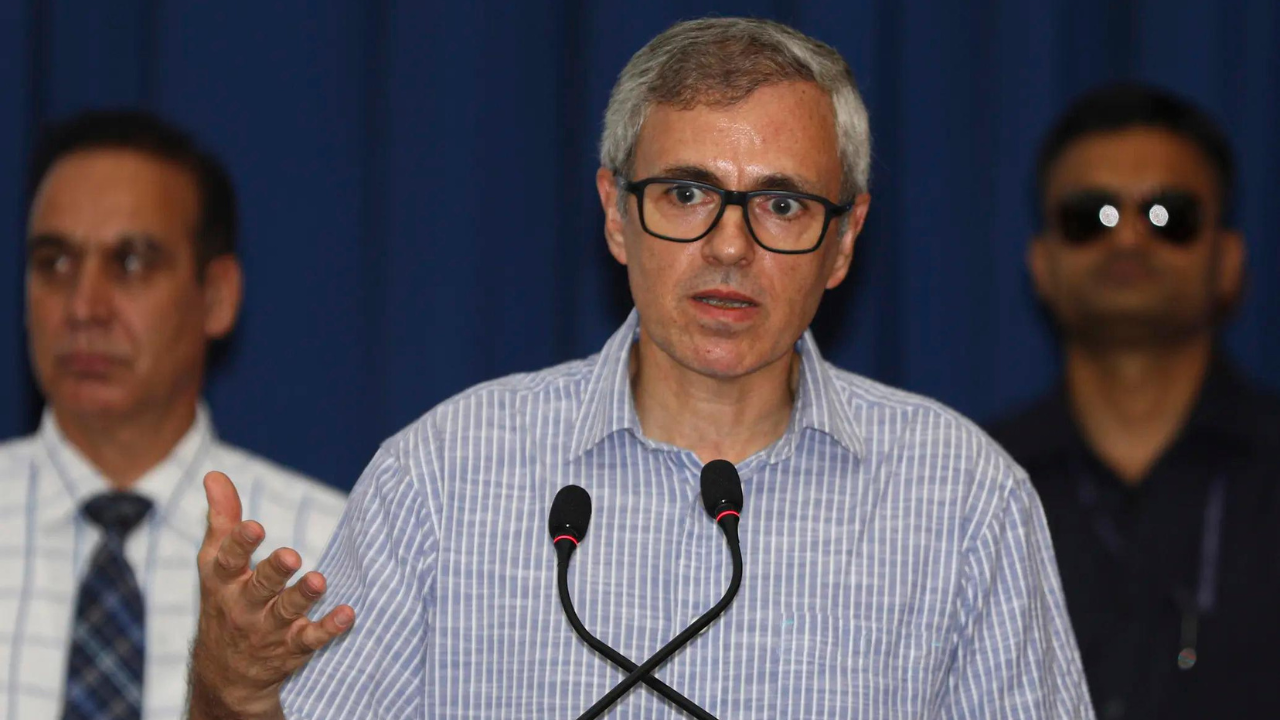
AAI withdraws Srinagar airport closure for repairs, Omar Abdullah thanks govt
Times of India