Indian Express
Skyroot co-founder: India’s aerospace industry is taking a private turn with ISRO’s help
5 min readHyderabadJul 5, 2026 05:08 AM IST
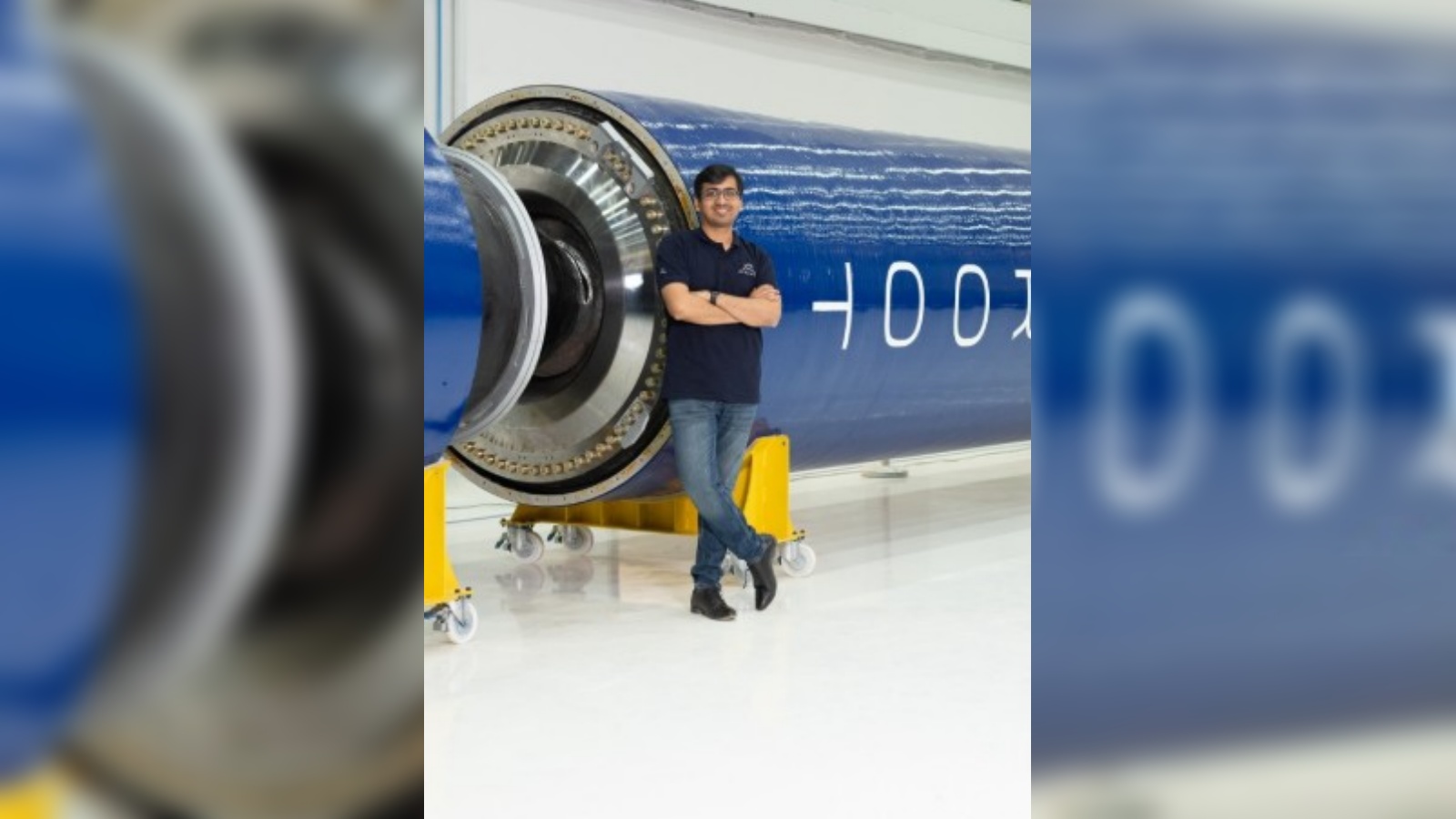
Skyroot launched India’s first private satellite , Vikram-S, from ISRO’s facilities in 2022 . (Photo: X/@PawanKChandana)
India’s aerospace industry is “very encouraging” to private players, with ISRO and private companies developing a relationship which is similar to NASA and SpaceX in the US, Skyroot Aerospace co-founder Pawan Kumar Chandana told The Indian Express.
On June 2, Skyroot announced they will launch an orbital class rocket, Vikram-1, into space within a window of July 12 to August 4.
Skyroot is a private space launch company. In 2022, Skyroot launched India’s first private satellite – Vikram-S – from ISRO’s facilities.
Vikram-1 is designed to deploy small satellites of up to 350-kg to low Earth orbit. Built with an all-carbon composite structure and powered by solid and liquid propulsion systems — including 3D printed engines – developed by Skyroot, Vikram is going to be a successful flight, its makers say.
“At Skyroot, we already launched Vikram-S from ISRO’s launch pad. That was a suborbital launch. Now we are getting ready for India’s first private orbital launch. It is the first test flight. There is also an expression of interest released with regard to the Small Satellite Launch Vehicle (SSLV), Polar Satellite Launch Vehicle (PSLV) and Launch Vehicle Mark – 3 (LVM-3) by the government of India.
So that private companies can take ISRO’s vehicles and operate them. We will see more and more of this kind of collaboration in India,” Chandana said. India’s space economy is expected to grow from around $8.4 billion now to $44 billion by 2033.
Indigenous launch capability will be a critical enabler of this growth, unlocking opportunities for India’s rapidly expanding private space ecosystem, Skyroot believes.
Story continues below this ad
Vikram-1’s test flight is important because the ability to reach orbit reliably and frequently is a strategic capability that only a handful of nations have. Today, access to space remains a major bottleneck, with satellite operators often waiting months or even years for a launch opportunity.
“ISRO has been amazingly supportive. Their support has been excellent. What more they can do is that in whatever ISRO is doing, in their missions of national importance, they can have private startups as development partners. We could co-build some of the systems which ISRO would use — whether it be the space stations, new satellites they are developing or new rockets they are developing. We would like to be a more integral part of ISRO’s developments making the ecosystem more sustainable, so that the startups would have revenue opportunities and ISRO would benefit from the startups’ feed and energy,” Chandana said.
The first flight would capture the real in-flight performance data from every system on Vikram-1. This will help the makers understand how the vehicle performs from lift-off through every phase of ascent.
“This data cannot be fully replicated through ground testing,” Chandana said.
Story continues below this ad
He added, “It is the first time in India that a private company has designed and developed a rocket meant to launch a satellite to space. This was enabled by the recent set of reforms by the government of India which opened up the sector to private players. We are completely designed, developed and manufactured rocket is going to take off from Indian soil. The rocket will have the capability to launch satellites to orbit. And in the entire world there are only a few companies with this capability. So it is a venture with a lot of business potential and also strategic importance for the country because we have the capability to launch more of our satellites to space”.
Skyroot sees potential in the market because, “globally only two players who are regularly launching to space — one is SpaceX and another is Rocket Lab”. “There are two or three other companies that have started their launches just like us but almost all of them are from the US. There are a couple of companies from China as well but access to the market is domestic for them. This will inspire other startups to come. Take the example of SpaceX, which has inspired others to come into the field. Similarly, we will also inspire others to venture into the field with unique solutions and differentiators,” Chandana said.
The launch is called Mission Aagaman, meaning “the arrival” and it marks Skyroot’s second mission following the successful suborbital flight of Vikram-S, the first private rocket to reach space from Indian soil, Chandana said.
Vikram-1 will be a partially commercial flight, with the company planning to commence full commercial flights after one or two successful demonstrations to orbit.
© The Indian Express Pvt Ltd
Nikhila Henry is an Assistant Editor at The Indian Express, based in Hyderabad. With a career spanning 17 years, she has established herself as an authoritative voice on South Indian affairs, specialising in the complex intersections of politics, education, and social justice.
Experience & Career: Nikhila commenced her journalism career in 2007 as an education correspondent for The Times of India in Hyderabad,where she gained recognition for her coverage of student politics. Her professional trajectory includes a four-year tenure at The Hindu, where she focused on minority affairs and social welfare. In 2019, she took on a leadership role as the South Bureau Chief for The Quint, where she directed regional coverage across all five South Indian states. Her expansive career also includes a tenure at the BBC in New Delhi and contributions to prestigious international outlets such as The Sunday Times (London) and HuffPost India.
Expertise & Focus Areas
Nikhila’s reportage is marked by a deep-seated understanding of grassroots movements and institutional policy. Her core focus areas include:
Regional Politics: Comprehensive analysis of the socio-political dynamics across South India.
Education & Student Movements: Chronicling the evolution of Indian academics and the rise of youth activism.
Minority Affairs: Rigorous reporting on the welfare, rights, and challenges facing marginalized communities.
National Beat: Elevating regional stories to national prominence through investigative and on-ground reporting.
Authoritativeness & Trust
A respected figure in Indian media, Nikhila is not only a seasoned reporter but also an accomplished author and editor. She authored the critically acclaimed book The Ferment: Youth Unrest in India and edited Caste is Not a Rumour, a collection of writings by Rohith Vemula. Her dual background in daily news reporting and long-form authorship allows her to provide readers with a nuanced, historically-informed perspective on contemporary Indian society.
Find all stories by Nikhila Henry here. ... Read More
Tags:
Indian Space Research Organisation (ISRO)
ISRO
NASA
SpaceX
View original source — Indian Express ↗
Related stories

The Punch
BusinessJul 5, 2026 · 1 min
Atiku to Tinubu: Account for 2% GDP budget omission
The Punch
The Punch
BusinessJul 5, 2026 · 1 min
Electricity subsidy gulps N358bn amid blackouts
The Punch
The Punch
BusinessJul 5, 2026 · 1 min
Dangote backs blue economy to create 500,000 jobs
The Punch
Bloomberg
BusinessJul 5, 2026 · 1 min
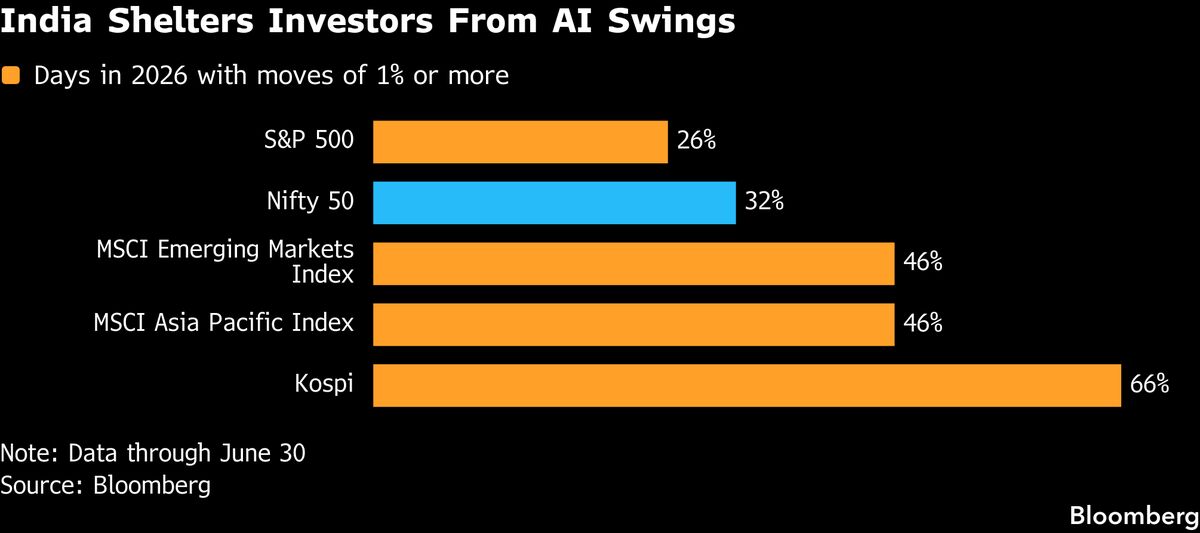
Investors Looking for Shelter From AI Storm Are Turning to India
Bloomberg