Times of Israel
Israel Festival marks 65 years with aerial feats, hostage songs and art in wartime
Jerusalem’s Israel Festival will mark its 65th year this summer with three weeks of shows in Jerusalem, the Western Negev and Israel’s north, bringing the festivities to some of the communities hit hardest by the last two and a half years of war.
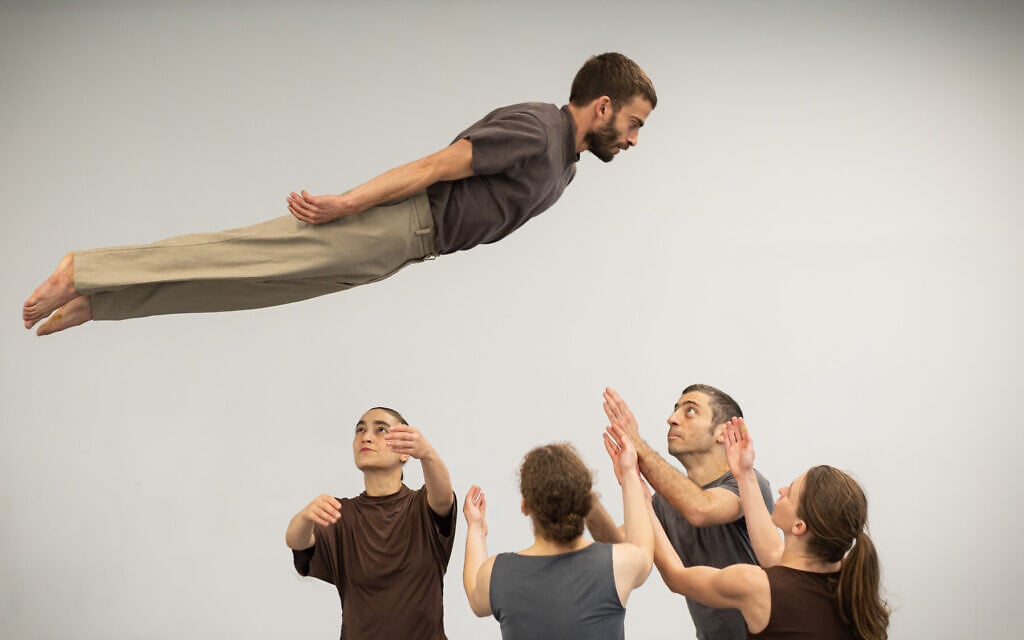
The festival opens on July 28 with an aerial performance above Jerusalem’s Hinnom Valley inspired by the renowned French high-wire artist Philippe Petit, who crossed the same vale in 1987 on a tightrope. It runs through August 20.
One of the festival highlights will be a performance by former hostage Sagui Dekel-Chen, who will present the nine songs he wrote and composed during Hamas captivity.
The concert will take place on the lawn of Kibbutz Nir Oz, where Dekel-Chen was born and raised, and where he lived with his wife and two older daughters before the bloody October 7, 2023, Hamas invasion in which a quarter of the kibbutz’s residents were killed or taken captive.
“I’m not a singer,” said Dekel-Chen in a statement for the festival. “I’m a father who sings. I never intended to become a singer or perform.”
Get The Times of Israel's Daily Edition
by email and never miss our top stories
By signing up, you agree to the terms
Dekel-Chen was abducted on October 7 from Nir Oz while his pregnant wife and two daughters hid in their family’s safe room. Shot in the shoulder during the onslaught, he endured torture in captivity that left him physically scarred.
He was completely cut off from the outside world while in Gaza, unsure whether his family had survived the massacre that saw some 1,200 people killed and 251 kidnapped to the Strip.
During his 498 days of captivity, until he was released in February 2025, Dekel-Chen found himself writing music in his head, memorizing words and melodies that he couldn’t write down. Within two days of being released, he recorded all nine songs on his phone.
“My first performance will be in Nir Oz, my home,” stated Dekel-Chen. “It’s the same lawn where I ran as a child, where I first met my wife Mili, where we raised our two daughters, where I fought for my life, and where my friends fell. It’s a lawn with a different shade of green now. It was once the site of joyful celebrations; since then, it has mostly witnessed funerals.”
Dekel-Chen noted that the show isn’t a celebration, a party, or closure — simply another chapter in the story. He was assisted in the song arrangements by music producers Liad Grushka and Idan Shneor, and directed by former Israel Festival artistic director Itay Mautner.
Other highlights during the festival include “Hip-Hop Talpiot,” in which Israeli artists Tamir Muskat, Jimbo J, Teddy Neguse, Balkan Beat Box and others will jam with the Jerusalem Street Orchestra, while music producer Rejoicer, also known as Yuvi Havkin, will perform in “Sonic Blue” with Gal Toren, Riff Cohen, Shai Tsabari and other guest musicians.
On the dance front, seven choreographers will deconstruct the concept of war in “All the Spirits,” while “Portraits of Falling’ is a premiere by dancer Adi Boutrous.
“Verse” is a two-day event of socially engaged art created in memory of Aner Shapira, the heroic Nova rave partyer and off-duty IDF soldier who saved lives in a field shelter on October 7 and is remembered for his raps, verses and artwork.
During “Verse,” audiences will wander through performances, conversations, documentary screenings, live music and participatory art being created by artists, collectives and social activists who see art as a way of reaching out, listening and connecting.
The event brings together musicians Ehud Banai, Ninet Tayeb, Berry Sakharof, Hasan MC, and other performers.
In “The Thinking Heart,” a group of female performance artists will engage with the diaries of Etty Hillesum, a young Jewish woman in Amsterdam during World War II, whose diaries were also the basis of “Etty”, and acclaimed 2026 six-part drama series directed by Hagai Levi.
A short 20-minute tour of the Jerusalem Theater is featured in “Temporarily Removed,” as artistic directors, curators, and creators share their encounters of international performances and productions that were meant to come to Israel for the festival, but couldn’t or wouldn’t because of the soft cultural boycott currently lodged against Israel and Israeli performers following the war in Gaza.
“This year, in times like these, the very existence of such a gathering cannot be taken for granted,” said festival CEO Uri Vaknin. “For us, the festival is not merely a production or artistic achievement — it is an expression of our commitment to keep creating, working, and coming together even in the midst of a complex reality.”
The festival is led by Vaknin, taking over for Eyal Sher, who led the event for the last 11 years alongside artistic directors Michal Vaknin and Dafna Karon.
Vaknin and Karon said they view the festival program as rooted in art as a tool for survival, seeking to create perspectives that open up distance from the immediate present and allowing us to sketch a different portrait of reality.
As in recent years, the Israel Festival will take place at locations along the seam lines and meeting points between different communities throughout Jerusalem, and will travel to the western Negev and northern Israel to make the event accessible to all.
The program includes free performances, while tickets for paid events range from NIS 50 to NIS 140 ($16.50 to $47), with discounts available for senior citizens, students, soldiers, Jerusalem Card holders, as well as through participating credit card companies and customer clubs.
In cooperation with the Jerusalem Development Authority, the festival is also partnering with hotels throughout the city.
For tickets and schedule, see the Israel Festival site.
View original source — Times of Israel ↗
Related stories

Rolling Stone
EntertainmentJul 5, 2026 · 1 min
The Man Who Took on Charles Manson
Rolling Stone
Indian Express
EntertainmentJul 5, 2026 · 1 min
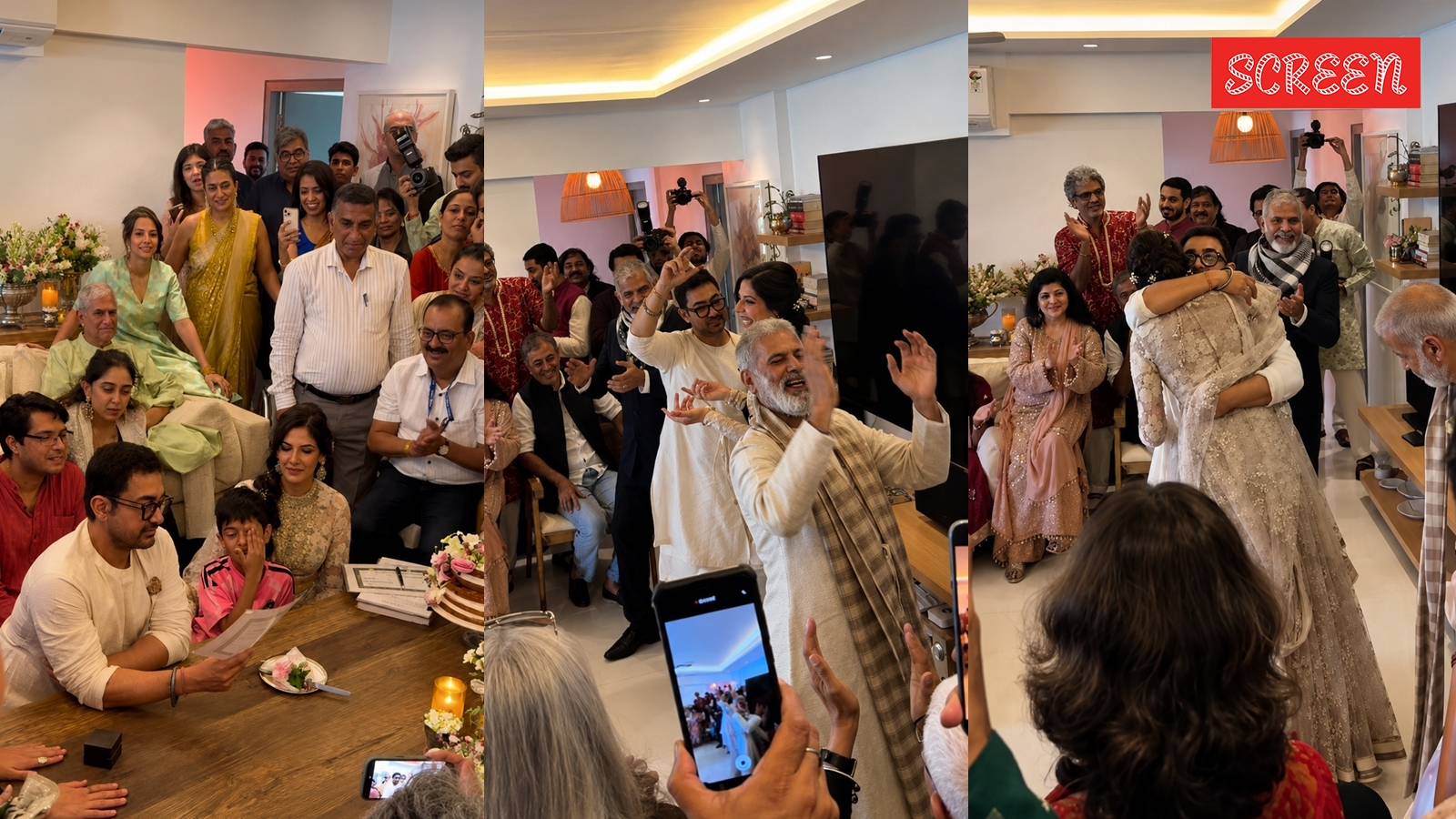
Aamir Khan and Gauri Spratt dance with loved ones after wedding, watch video
Indian Express

E! Online
EntertainmentJul 5, 2026 · 1 min
See Patrick & Brittany Mahomes at Taylor Swift, Travis Kelce’s Wedding
E! Online
Indian Express
EntertainmentJul 5, 2026 · 1 min
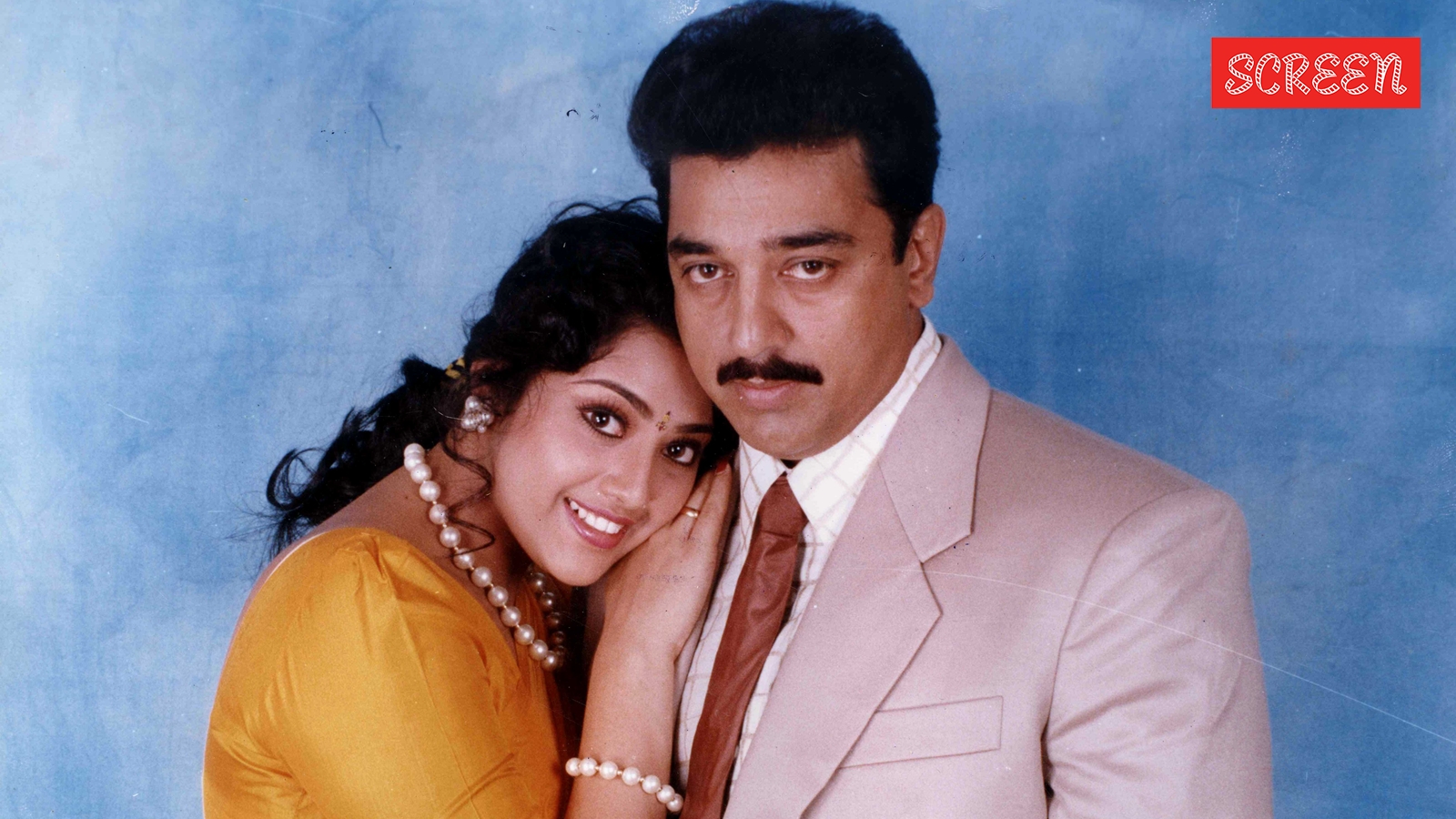
How Kamal Haasan skipped Rs 1.5 crore salary for Avvai Shanmugi and still made 3x profit
Indian Express