CNA
Tampines Changkat pilot to tackle cicada emergence reduces noise, disturbances for residents
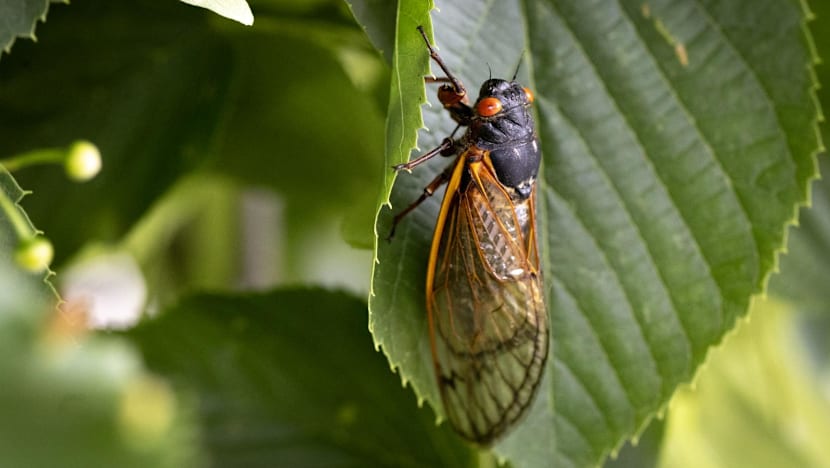
SINGAPORE: A pilot initiative in Tampines Changkat to manage the seasonal emergence of cicadas has reduced noise and disturbances for residents, the People’s Association, NParks and Tampines Town Council said in a media release on Sunday (Jul 5).
The five-month pilot, launched in March, trialled various methods for managing the winged insects at different life stages.
The measures included steps to directly control the insect’s population. Light traps across 18 blocks within the estate were deployed, alongside the physical capture of cicadas at affected residential blocks.
About 22,000 cicadas were caught using these light traps.
Non-intrusive measures were also implemented, with more than 500 trees wrapped with aluminium foil or plastic wraps, as well as the laying of tarpaulin or coconut husk mats at their base.
The physical barriers on the tree trunks and bases would disrupt the moulting process of cicada nymphs into adults.
Cicadas are the loudest insects in the world, with some species producing sounds as loud as 120 decibels – enough to be painful to the human ear.
The initiative, which has ended, also provided an opportunity to better understand the cicadas in Tampines, the organisations said.
“Site assessments conducted since February yielded preliminary observations, including possible associations with specific tree species and the presence of localised emergence hotspots,” they said.
“Variations in the cicada numbers across the surveyed areas suggest that factors such as tree age and composition, landscape and habitat characteristics, and local environmental conditions may influence population density.”
There are generally no established measures for managing cicadas in tropical urban environments.
The lack of knowledge on this species in Singapore’s context makes managing its population and the associated impacts on residents challenging.
Continued monitoring and a deeper understanding of cicadas’ population dynamics would support the development of more targeted intervention measures, the organisations said.
While this year’s cicada emergence event has tapered off, the cicada management taskforce will continue to prepare for subsequent emergence seasons, they said.
Tampines Changkat MP Desmond Choo said: “Because there were no established good practices, we had to be innovative to protect our Changkat residents while being environmentally sensitive in our measures.”
“We are refining our measures with learning points from the pilot, while concurrently exploring other new measures to more effectively manage the cicada populations in Tampines Changkat,” he added.
Existing measures such as the wrapping of trees and the laying of tarpaulin or coconut husk mats will be deployed at appropriate times in anticipation of the next emergence season.
Additional measures may also be considered for severely affected areas, including the very targeted use of new pesticides, the organisations said.
“Before implementation, the taskforce will thoroughly review the use of new pesticides to ensure that they can be applied in a targeted manner with minimal impact on non-target biodiversity.”
NParks is also engaging town councils in other affected areas to advise them on suitable measures that may be adopted.
Related stories

The Punch
WorldJul 5, 2026 · 1 min
Mixed reactions trail NYSC reforms
The Punch

Straits Times
WorldJul 5, 2026 · 1 min
French wildfires jeopardise finish line of Tour de France's third stage
Straits Times
The Punch
WorldJul 5, 2026 · 1 min
UNIBEN unveils N100bn development fund to upgrade infrastructure, research
The Punch
The Punch
WorldJul 5, 2026 · 1 min
PFIPC scandal: CDHR demands Gbajabiamila step aside pending probe
The Punch