Indian Express
The dichotomy of Belgium’s Lukaku: Which version will turn up against the USA?
Romelu Lukaku mastered the art of deception when he was young.
In 2026, Belgium reaching the World Cup round of 16 — where they will face the USA — feels almost routine. In 2002, it was anything but. Four years after the embarrassment of France ’98, Belgium emerged unbeaten from the group stage. Leading the lines were Marc Wilmots — whom the nation admired, and Mbo Mpenza — whom Lukaku admired, considering he was Belgium’s first black striker at a World Cup and, like Lukaku, had his roots in Congo.
Students at an Antwerp school, hence, had only one topic to discuss during the summer of ’02 — the World Cup. They dissected Belgium’s performances, marvelled at Wilmots’ goals and discussed whether Brazil could be stopped.
There was only one problem. Lukaku had not watched a single minute.
His father might have played in the World Cup qualifiers and AFCON for Zaire, but there was barely any money to eat twice a day. Television, hence, was a luxury.
His friends would not know that, though. Lukaku would analyse matches with enough conviction to assure them he had been minutely watching the World Cup. He was the master of pulling up facades.
For much of the next quarter-century, so too would be his football.
Story continues below this ad
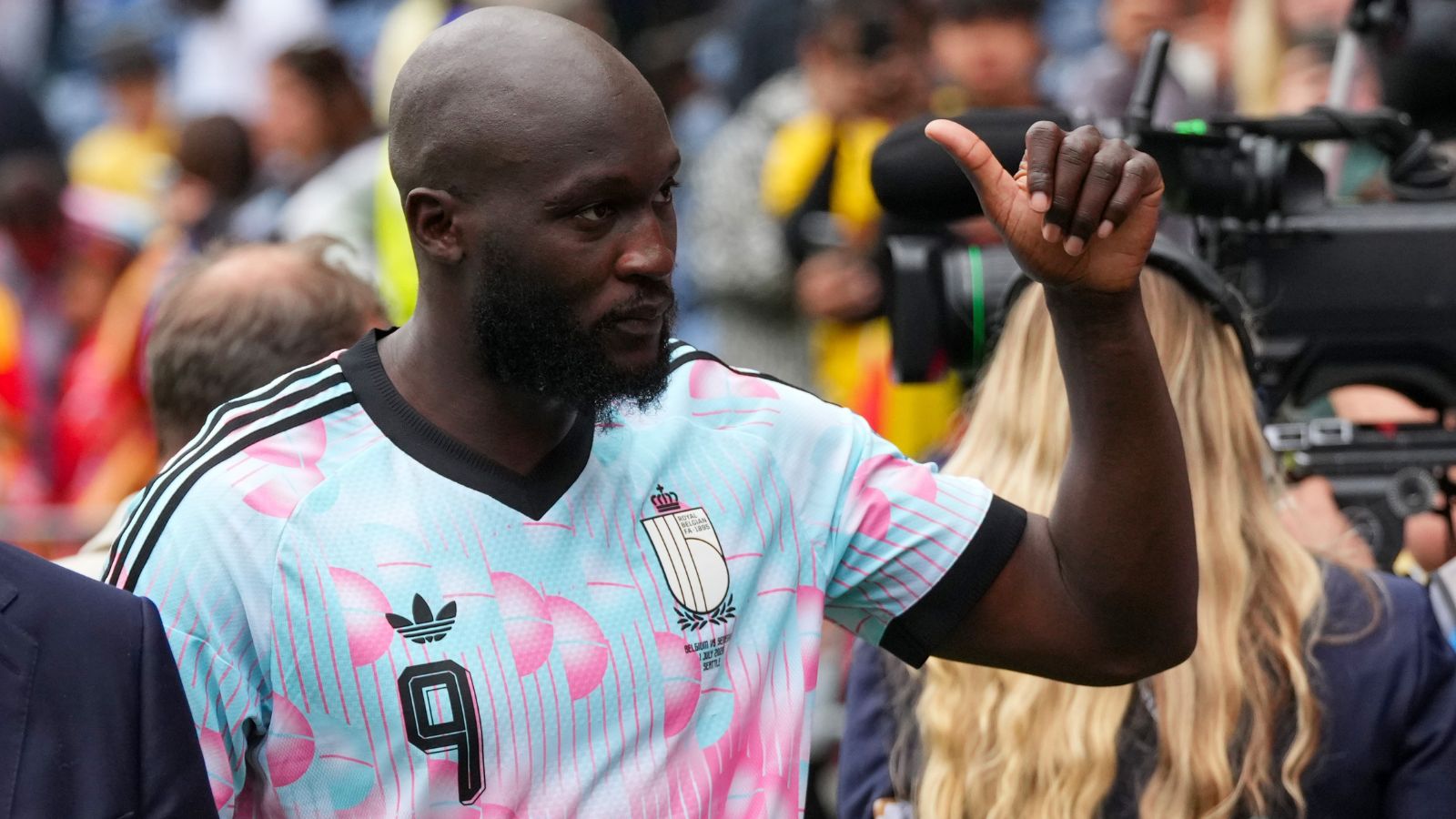
Belgium’s Romelu Lukaku (9) shoots by Senegal’s Moussa Niakhate (19) during the World Cup round of 32 soccer match between Belgium and Senegal in Seattle, Wednesday, July 1, 2026. (AP Photo/Manu Fernandez)
Russia 2018 presented a version of Lukaku that will force you into believing he is one of the finest strikers of this generation. He scored four goals — only Harry Kane scored more. He did what Wilmots’ generation could not — beating Brazil in a knockout. An astonished Rio Ferdinand said after the match: “He almost shouldn’t be allowed to play with them! It was like a 16-year-old playing against the 11-year-olds.”
But Qatar 2022 presented another version of Lukaku — one that will force you to believe he, as Ferdinand said, should not be allowed to play. Not because he was too good, but because he was awful. Like the fixture against Croatia at Qatar in 2022. Staring at their first group stage exit since 1998, Roberto Martinez brought on Lukaku to score. He had four opportunities — writers of the older generation would call those ‘gilt-edged’ — and generated 1.74 xG. All four were squandered. A fresh Urban Dictionary entry appeared:
Lukaku: To lose something under your control; mishandling due to lack of ability and/or concentration.
The dichotomy has followed him into America.
His inclusion in Belgium’s squad felt improbable. A hamstring injury and persistent fitness problems restricted Lukaku to just 64 minutes for Napoli across the Italian season. Before the tournament, coach Rudi Garcia faced criticism simply for selecting him.
Story continues below this ad
Lukaku answered in 23 seconds. Introduced when Belgium were trailing by a goal against Egypt, Lukaku exerted enough pressure on defender Mohamed Hany to force him into tucking the ball in his own net.
The cameo earned him a start against Iran. And then, inevitably, the dichotomy struck again. Lukaku had just 24 touches — fewer than every Belgian starter, including goalkeeper Thibaut Courtois. His only shot generated 0.03 xG. He drifted through the match almost unnoticed.
Garcia had no other option but to drop him against New Zealand. But when he was introduced in the 85th minute, he immediately became Belgium’s most imposing presence. In nine minutes, Lukaku scored once and created another for Alexis Saelemaekers.
Belgium’s Romelu Lukaku, left, makes an attempt to score against Senegal during the World Cup round of 32 soccer match in Seattle, Wednesday, July 1, 2026. (AP Photo/Maddy Grassy)
Garcia appeared to embrace that unpredictability against Senegal, leaving Lukaku on the bench again. It worked. Belgium recovered from 2-0 down to win 3-2, and Lukaku sparked the comeback with his 86th-minute strike that reduced the deficit.
Story continues below this ad
Lukaku’s career has been marred by moments he would not look back upon. What he would, though, is his statistics — fifth-highest goal-scorer in men’s international football (92), and a goals/match ratio (0.71) that eclipses some of the world’s most prolific scorers, including Cristiano Ronaldo (0.63), Lionel Messi (0.61), Neymar (0.61) and Kylian Mbappe (0.61).
This World Cup has revealed another side of him too — his honesty. On being asked about why he let Youri Tielemans take the 125th-minute penalty against Senegal, he could have crafted an answer tailor-made for optics and PR. Instead, he admitted: “I’m not mentally ready for such difficult and crucial moments.” Responding to whether he is content with bit-part roles, considering his stature, he admitted: “If you look at my season and how it went, I should never have been at the World Cup. So, I am just happy to be here.”
Throughout his international career, Belgium have lived with two versions of Romelu Lukaku, and the public have responded to each very differently. When at his best, he is Belgium’s very own Romelu. When at his worst, he is Lukaku Bolingoli of Congolese descent. A bit like how the unassuming Steve becomes Steven Peter Devereux Smith when he scores a century, except in Lukaku’s case, the distinction has a racial undertone.
Against the United States, Rudi Garcia and Belgium are left with the same question everyone else has asked for years: Which Romelu Lukaku will turn up?
View original source — Indian Express ↗
Related stories

ESPN
SportsJul 5, 2026 · 1 min
C's Robinson: Playoff injury followed family issue...
ESPN
Sky Sports
SportsJul 5, 2026 · 1 min
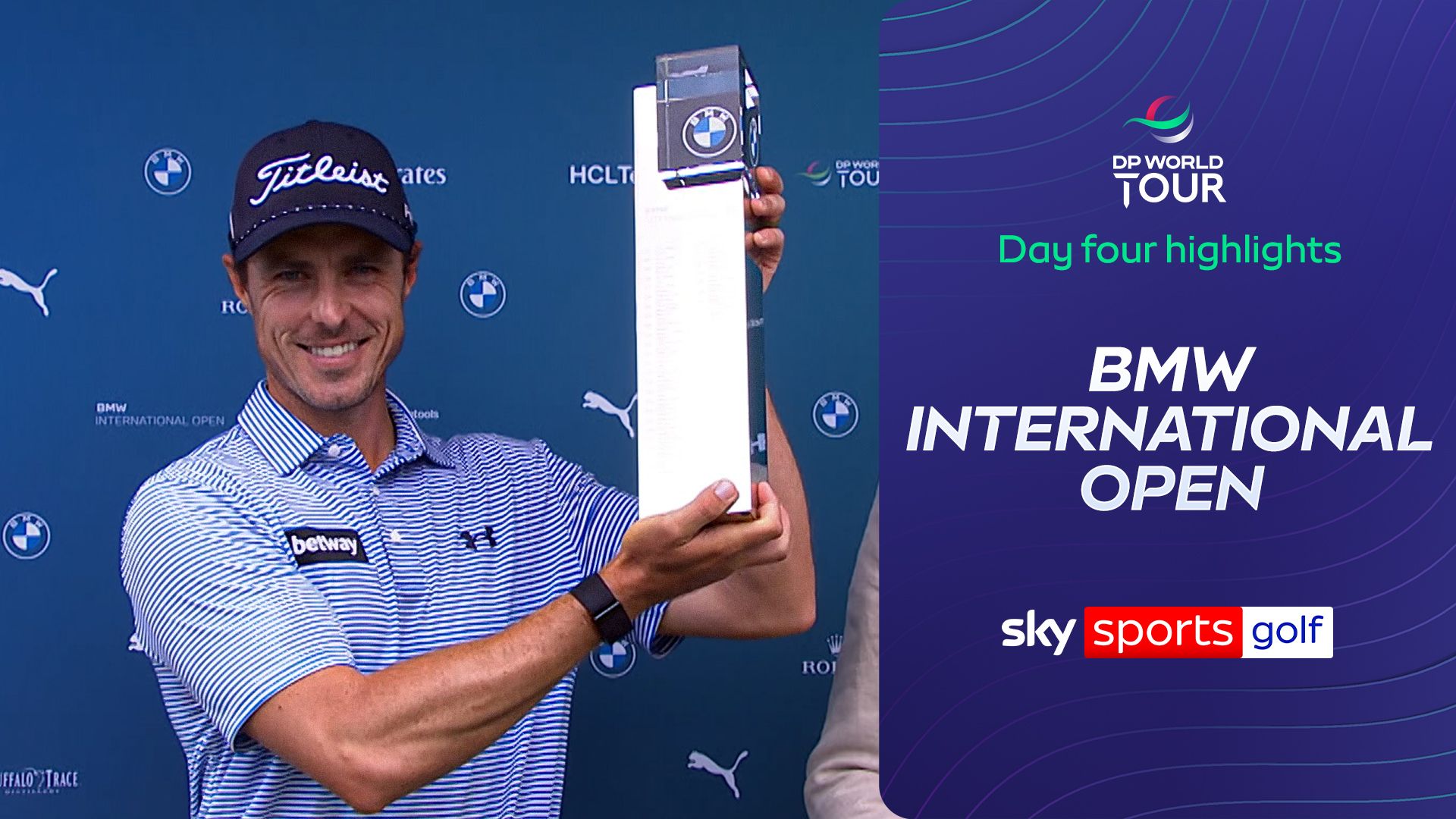
BMW International Open | Day four highlights
Sky Sports
Sky Sports
SportsJul 5, 2026 · 1 min
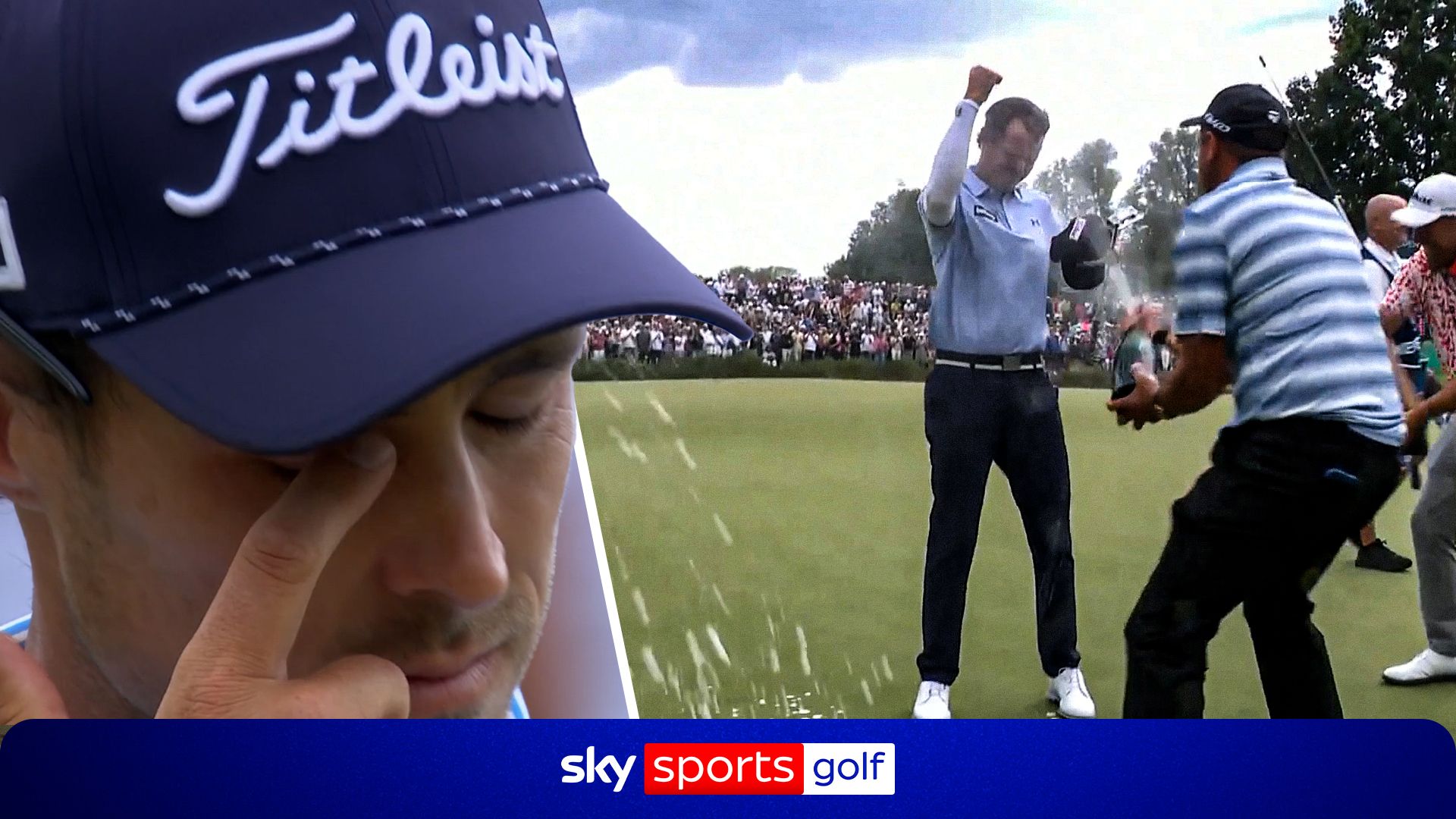
Hollick emotional after SENSATIONAL eagle to win BMW International Open
Sky Sports

ESPN
SportsJul 5, 2026 · 1 min
World Cup Daily live: Mexico fans try to give Engl...
ESPN