TechRadar
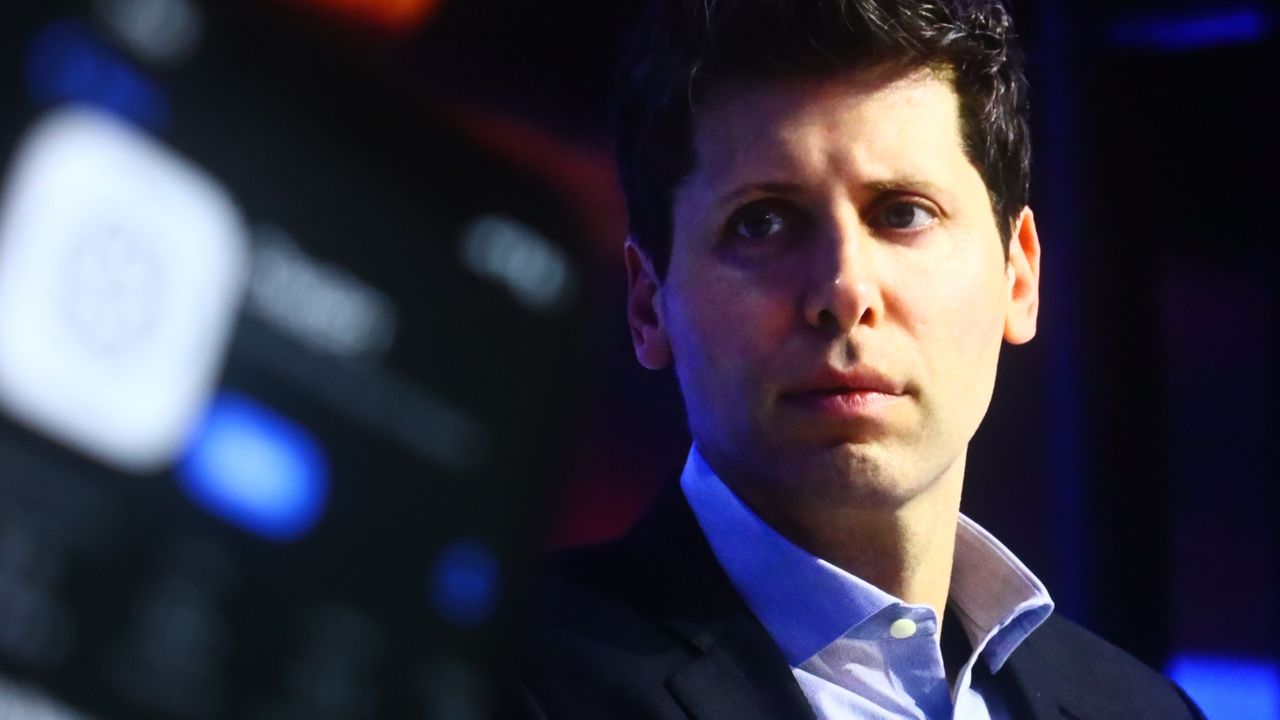
Quote of the day by OpenAI CEO Sam Altman
Much of the global economy was able to continue functioning during the COVID-19 pandemic thanks to a host of cloud-enabled technologies that powered a new way of remote working. However, the technology industry – which initially championed this new approach to work – has aggressively rowed back on it.
The new normal
Sam Altman, who leads OpenAI, clarified his stance on remote and hybrid working during a fireside chat in San Francisco organized by the startup Stripe.
Quote of the day
This article is part of TechRadar Pro's QOTD project to provide an insight into the minds of the brightest and most recognized figures in the technology industry today and in years gone by. Read the full series here.
During the conversation, he echoed the views of many in tech that remote working was a failure – framing it as an experiment that went wrong rather than a new kind of normality that most of the tech industry was enabling, let alone simply buying into.
Despite several studies suggesting productivity gains and higher employee wellbeing, the logic states that fully remote teams struggle to deliver products in a timely way and that corporate culture erodes. Surveillance and tracking is also much harder.
RTO mandates
Dozens of companies in the tech industry have instigated return to office (RTO) mandates, bringing workers back in-house full-time rather than even adopting a hybrid approach.
Amazon, Dell and Tesla are just three companies that have adopted five-day mandates, while several companies have also adopted four-day and three-day mandates.
Although these companies have decided to bring employees back into the office, the future of work in the tech landscape will remain fragmented, disjointed and varied not just between companies but within companies. Depending on how this trend continues, it could carry ramifications for the design of offices as well as the nature of training and progression.
Sign up to the TechRadar Pro newsletter to get all the top news, opinion, features and guidance your business needs to succeed!
View original source — TechRadar ↗
Related stories
TechRadar
TechnologyJul 5, 2026 · 1 min
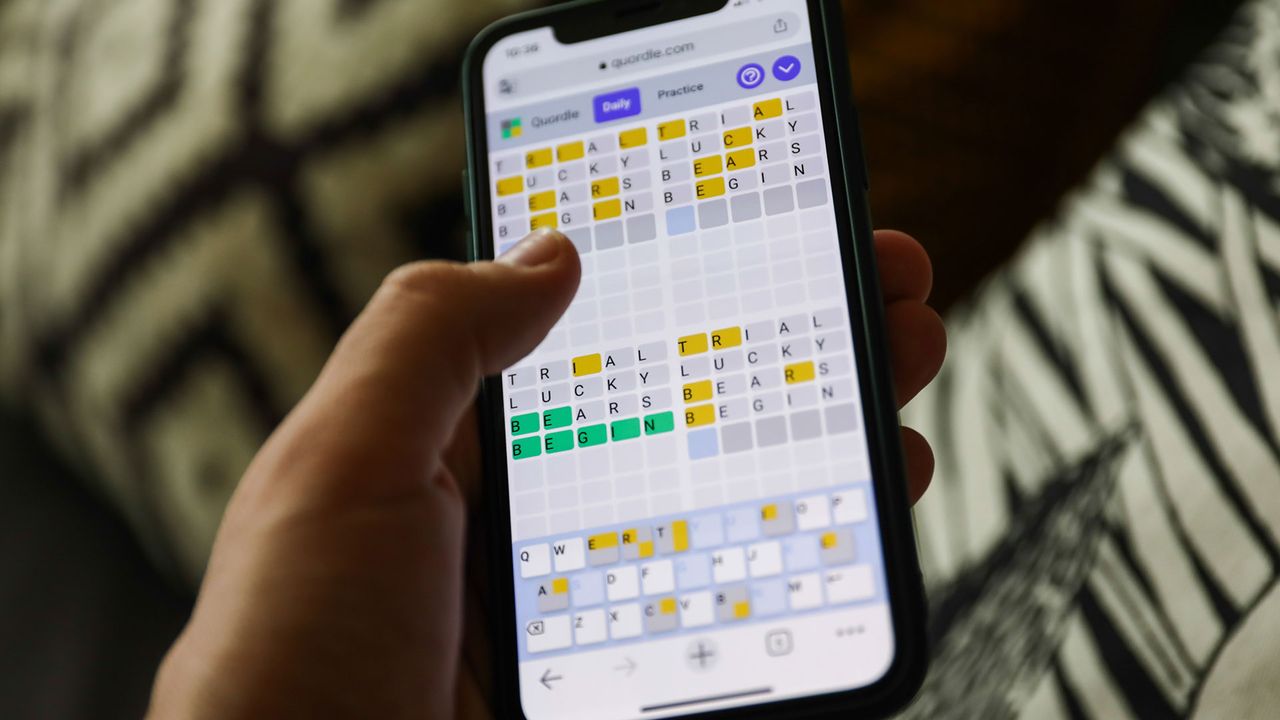
Quordle hints and answers for Monday, July 6 (game #1624)
TechRadar
ABC News
TechnologyJul 5, 2026 · 1 min
From Call of Duty to Dreamtime: These designers are lighting up video games
ABC News

TechRadar
TechnologyJul 5, 2026 · 1 min
NYT Connections hints and answers for Monday, July 6 (game #1121)
TechRadar
TechRadar
TechnologyJul 5, 2026 · 1 min
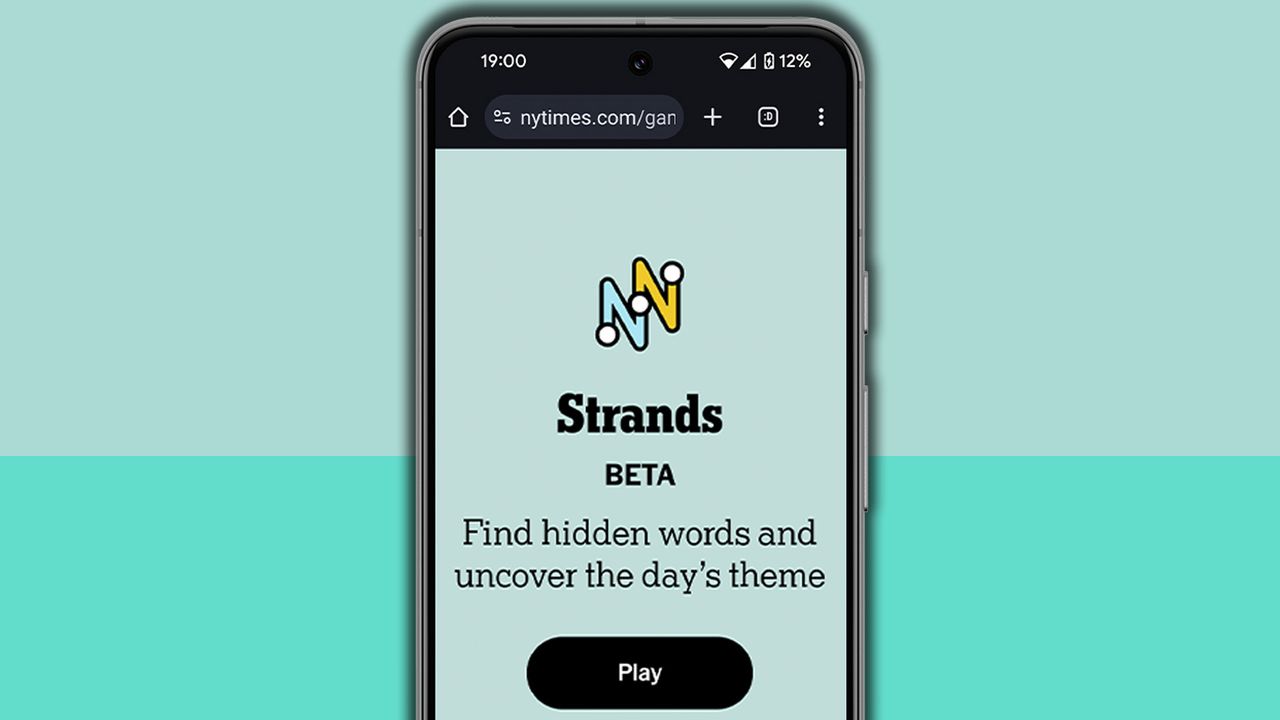
NYT Strands hints and answers for Monday, July 6 (game #855)
TechRadar