
AllAfrica
Sudan: Cabinet Reviews Efforts to Prepare Conditions for Return to Khartoum, Commends Social Peace Council
The Cabinet held its regular meeting in Khartoum on Sunday under the chairmanship of Prime Minister Kamil Idris.
Minister of Culture, Information and Tourism Khalid Al-Eiser told reporters that the Cabinet received a briefing from the Chairman of the Higher Council for Social Peace, Al-Nour Elsheikh Al-Nour, on community reconciliation efforts and the council's ongoing work to address the social repercussions of the war.
The Cabinet stressed the need to counter attempts to undermine Sudan's social fabric and to support community peace as the foundation for the government's efforts across all sectors. It also emphasized the importance of providing essential services to citizens in conflict-affected areas and in areas recaptured from the RSF militia.
Al-Eiser said the Cabinet welcomed the Charter for Reconciliation and Peaceful Coexistence signed on Saturday between the communities of Sennar State and praised the Higher Council for Social Peace for its pivotal role in addressing the consequences of the war.
Keep up with the latest headlines on WhatsApp | LinkedIn
The Council of Ministers also paid tribute to community leaders who contributed to the success of the reconciliation process, particularly native administration leaders, Sufi religious leaders, and other prominent community figures.
The minister said the Cabinet also received a briefing from Foreign Minister Ambassador Mohieddin Salem on his recent visits to several countries, including Switzerland, where he presented Sudan's position on issues related to security, stability, humanitarian assistance, and the country's contribution to ongoing efforts aimed at achieving peace.
The Cabinet also reviewed a report by Khartoum State Wali Ahmed Othman Hamza on the work of the Higher Committee for Preparing the Conditions for Citizens' Return to Khartoum State. The report outlined the activities of the committee's subcommittees, progress achieved, and the significant improvements in public services across the capital, Khartoum.
In the same context, the Cabinet discussed the military presence in Khartoum and reviewed measures aimed at strengthening security and consolidating peace and stability throughout the Khartoum State.
Al-Eiser added that the Cabinet also discussed the role of mosque imams in promoting peace, peaceful coexistence, combating hate speech, and strengthening social solidarity and national unity. He said the government remains committed to healing national divisions, fostering reconciliation, and eliminating the root causes of conflict among communities, while warning against campaigns orchestrated by external actors to undermine national cohesion. The Cabinet stressed the need for coordinated official and public efforts to confront external interference and other threats to national security.
Sign up for free AllAfrica Newsletters
Get the latest in African news delivered straight to your inbox
The minister further said the Cabinet received a report from the Director General of Sudan Airports Company, Lieutenant General Sir Al-Khatim Babiker Al-Tayeb, on airport operations, rehabilitation, and development, particularly at Khartoum International Airport, which has seen a significant increase in capacity and in the number of returning passengers as part of the voluntary return program.
The Cabinet also emphasized the need to expand electricity supply across Khartoum. In this regard, Minister of Energy Engineer Al-Mu'tasim Ibrahim assured citizens that electricity coverage would be significantly expanded throughout the Khartoum State in the coming period.
View original source — AllAfrica ↗
Related stories
South China Morning Post
PoliticsJul 6, 2026 · 1 min
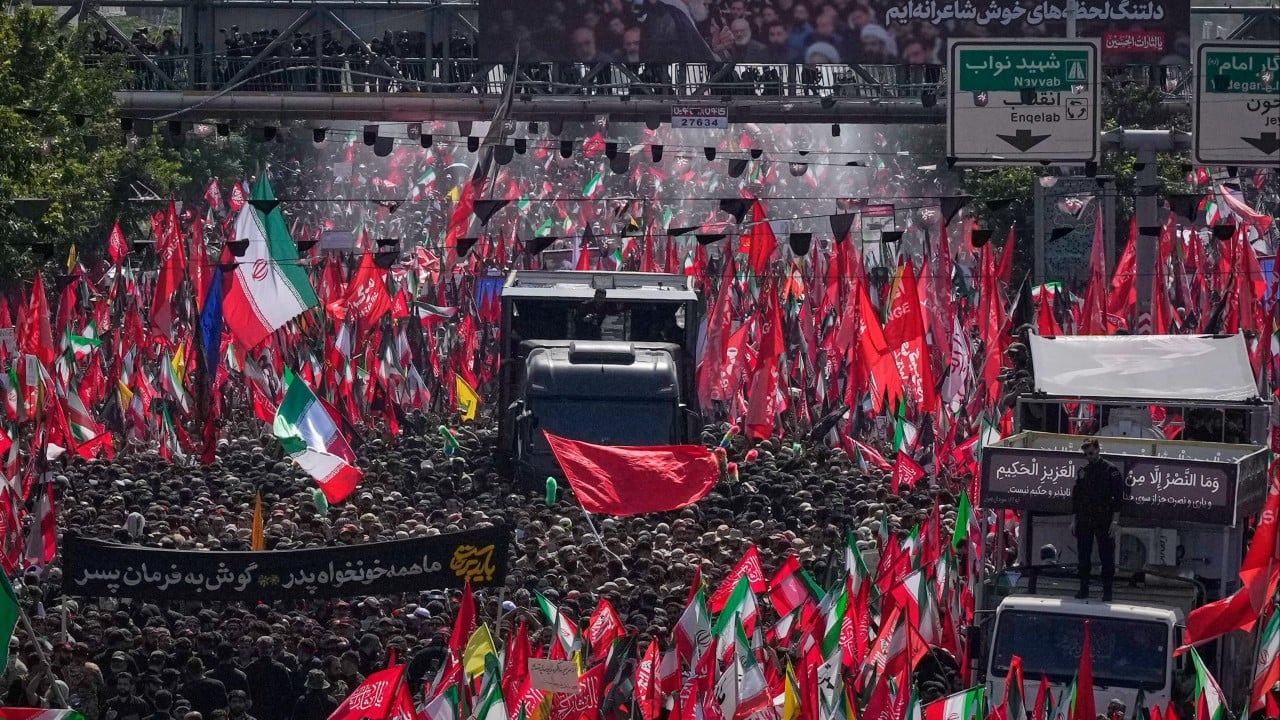
Crowds fill Tehran as funeral procession begins for Iran’s slain supreme leader Khamenei
South China Morning Post
Indian Express
PoliticsJul 6, 2026 · 1 min
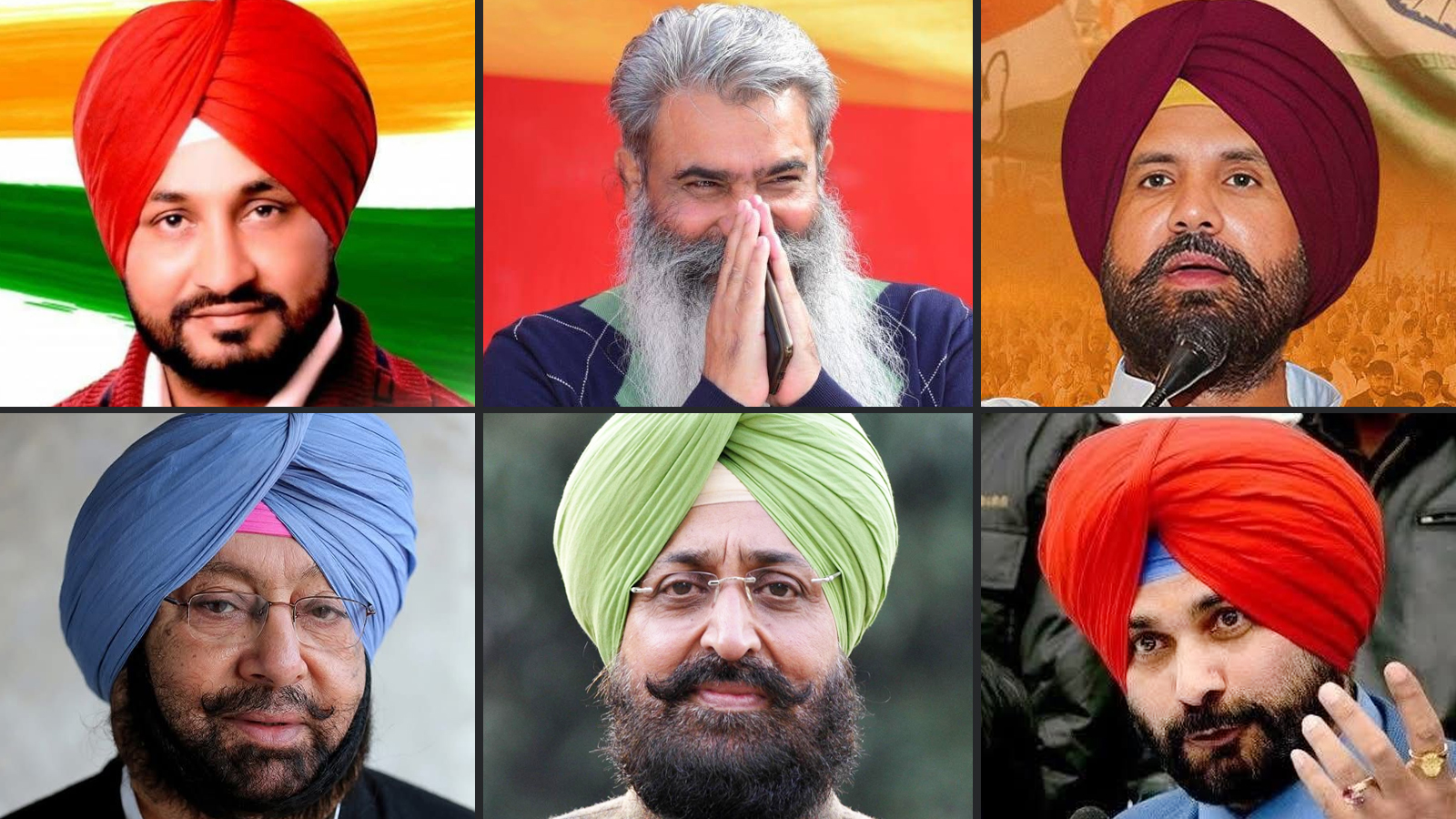
From Captain vs Bajwa to Warring vs Channi: The forever ‘versus’ situation in Punjab Congress
Indian Express

AllAfrica
PoliticsJul 6, 2026 · 1 min
Kenya: Linda Mwananchi Returns to Mt Kenya Ahead of Ol Kalou By-Election
AllAfrica

Philippine Daily Inquirer
PoliticsJul 6, 2026 · 1 min
LIVE: VP Sara Duterte impeachment Day 1
Philippine Daily Inquirer