Times of India
Consent, process and regulations: What it takes to redevelop an old building
Photo credit: PTI
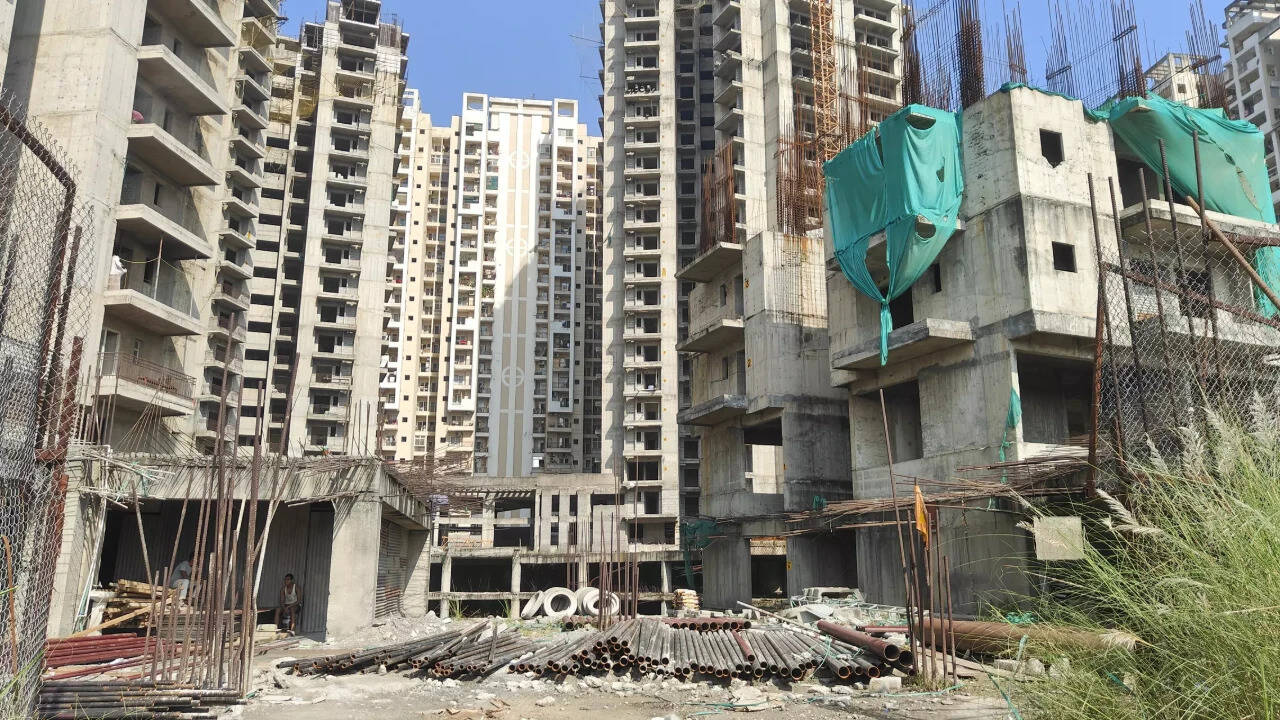
When an old residential building starts showing signs of wear and damage, redevelopment often becomes the safest and most practical solution. Over time, buildings deteriorate due to ageing, weather conditions, poor construction quality or inadequate maintenance.
Many older structures also fail to meet current building codes, fire safety regulations, earthquake-resistant design standards and environmental norms.In such cases, redevelopment of residential buildings becomes necessary to improve structural safety, while also offering an opportunity to enhance the quality and quantity of accommodation.However, there is no single central law governing residential redevelopment in India.
The process is instead regulated through a mix of state laws, municipal planning regulations and cooperative housing society acts, depending on the location and applicable rules.
How buildings move towards redevelopment
Typically, housing societies appoint a structural auditor to assess the building's condition.In case redevelopment is considered feasible, residents convene a general body meeting to discuss the proposal, appoint consultants where necessary, and invite bids from developers.
The selected developer then enters into a redevelopment agreement with the society, subject to approval by the competent authorities.Municipal corporations and planning authorities then examine the project for compliance with zoning regulations, Floor Space Index (FSI), fire safety norms, environmental requirements and building bye-laws before granting the necessary approvals.
Consent of residents
Each state has its own laws and regulations governing residential building redevelopment, resulting in different procedures and consent requirements across the country.With the highest number of cooperative housing societies in the country, Maharashtra has one of the country's most evolved redevelopment frameworks. Maharashtra regulates the redevelopment of cooperative housing societies through a combination of the Maharashtra Cooperative Societies Act, 1960, the Maharashtra Cooperative Societies Rules, 1961, government resolutions issued by the Cooperation Department, and the Unified Development Control and Promotion Regulations (UDCPR).In 2019, the state revised its redevelopment guidelines for cooperative housing societies, reducing the minimum consent required for redevelopment from 70% to 51% of the total members. In 2025, it further amended the Maharashtra Cooperative Societies Rules, 1961, to simplify the procedure for self-redevelopment, prescribe a more structured process for selecting developers, require developers to furnish a bank guarantee equivalent to 20% of the project value, and enhance transparency by mandating greater disclosure of redevelopment-related documents to society members.In Delhi, redevelopment is governed by the Delhi Development Authority (DDA) and its Master Plan for Delhi (MPD). The masterplan focuses on the planned redevelopment of areas, including neighbourhoods along Metro corridors, planned residential areas, urban villages, unauthorised colonies, resettlement colonies, slums, and special areas such as parts of Old Delhi.Redevelopment proposals can be initiated by resident groups, plot owners, cooperative housing societies, private developers or local bodies, and are subject to approval by the competent authority.
What about tenants?
Depending on state specific laws, redevelopment generally requires that tenants are provided with temporary transit accommodation, rent compensation during construction, or are restored to equivalent accommodation after completion.In 2025, the Maharashtra government announced a new redevelopment framework for buildings run under the pagdi system, with seperate Floor Space Index (FSI) benefits for landlords and tenants, and permission for the use of Transferable Development Rights (TDR) that allow landowners to separate their property's development rights from the land itself and sell them to developers. However, the framework awaits implementation.
View original source — Times of India ↗
Related stories

The Punch
WorldJul 6, 2026 · 1 min
Video of ‘fake’ agency DG confronting Gbajabiamila resurfaces
The Punch
The Punch
WorldJul 6, 2026 · 1 min
Reps deputy spokesman hails military gains under Oluyede
The Punch
The Punch
WorldJul 6, 2026 · 1 min
Kogi bishop calls for unity, support for security forces
The Punch
The Punch
WorldJul 6, 2026 · 1 min
Gunmen kill farmer, injure others in fresh Cross River clash
The Punch