Indian Express
Karnataka High Court lets murder accused register property from inside jail
3 min readBengaluruJul 6, 2026 01:41 PM IST
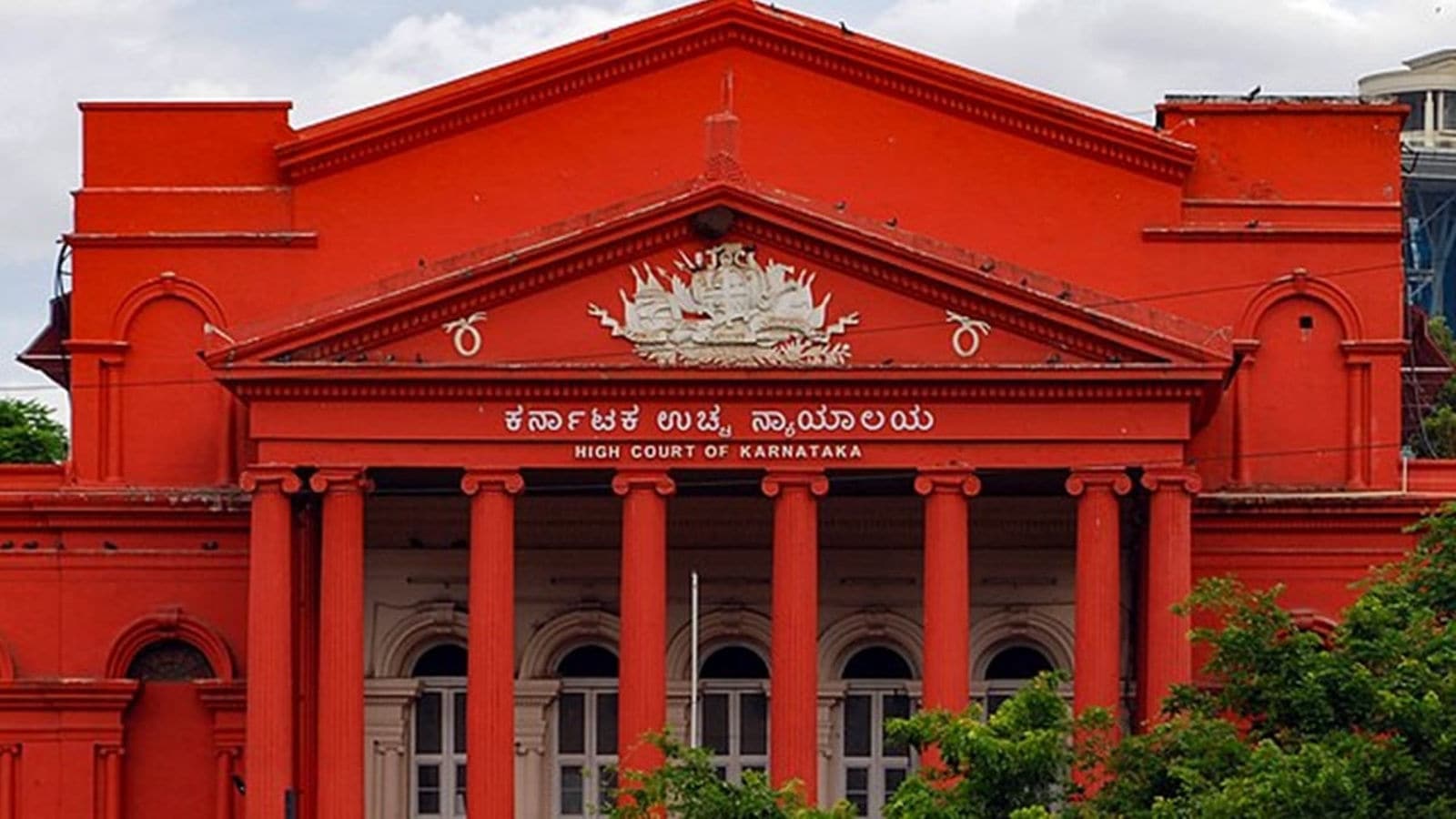
The Karnataka High Court said incapacity for physical appearance shouldn't deprive one of his right to deal with his property. (File Photo)
The Karnataka High Court last month allowed a murder-accused undertrial prisoner to complete a property registration from inside Central Prison at Dharwad, holding that he has a legal right to do so and that administrative inconvenience cannot be a ground to deny it.
In his order on June 23, Justice Sachin Shankar Magadum also directed the sub-registrar to visit the prison and complete the registration by obtaining the undertrial prisoner’s signatures and “undertaking such examination as is contemplated under Section 38(1)(b) read with Section 38(2) of the Registration Act, 1908, subject to compliance with the applicable prison regulations and security protocols”.
Basavaraj Shankrappa Avvannavar, accused of murdering his mother-in-law and attempting to kill his wife, has been lodged in prison since February 2025. He approached the court seeking a direction for the jail superintendent to permit the sub-registrar to complete the property registration inside the prison.
Section 38 of the Act provides for exempting people, including those in jail in civil or criminal cases, from personal appearance at the registration office. In such cases, the registering officer should go either to such people’s homes or to the jail and examine them or issue a commission for their examination.
Further, advocate Sanket Shankarappa Ambali argued that his client Avvannavar’s incarceration as an undertrial prisoner does not deprive him of his proprietary rights.
The court noted that incapacity to physically appear at the registration office does not result in the deprivation of his lawful right to deal with his property.
‘Undertrials have all proprietary rights’
The court emphasised that an accused person in judicial custody as an undertrial prisoner does not suffer a civil death merely because he is facing criminal prosecution.
Story continues below this ad
“His incarceration pending trial does not divest him of his ownership over his movable or immovable properties nor does it extinguish his civil rights except to the extent that restrictions are necessarily imposed by law for maintaining prison discipline, security and orderly administration,” the court said.
The court added, “An undertrial continues to remain clothed with all proprietary rights available to an ordinary citizen, including the right to alienate, transfer or otherwise deal with his property in accordance with law. Such civil rights cannot be rendered illusory merely because the person is unable to personally appear before the Registering Authority on account of his confinement.”
In reply to a query from the court, the prison authorities submitted that the sub-registrar had sent a communication requesting the facilitation of the registration. However, the communication was inadvertently never placed before the competent prison authority.
Allowing Avvannavar’s petition, the court said, “Once the jurisdictional Sub-Registrar has expressed his willingness to visit the prison for completion of the registration process, the prison authorities are equally duty-bound to extend necessary cooperation by facilitating access to the petitioner, subject of course to compliance with the prison rules and such security measures as may be considered necessary. Administrative inconvenience cannot be put forth as a ground to defeat a statutory right expressly recognized by Parliament.”
View original source — Indian Express ↗
Related stories

The Punch
WorldJul 6, 2026 · 1 min
Video of ‘fake’ agency DG confronting Gbajabiamila resurfaces
The Punch
The Punch
WorldJul 6, 2026 · 1 min
Reps deputy spokesman hails military gains under Oluyede
The Punch
The Punch
WorldJul 6, 2026 · 1 min
Kogi bishop calls for unity, support for security forces
The Punch
The Punch
WorldJul 6, 2026 · 1 min
Gunmen kill farmer, injure others in fresh Cross River clash
The Punch