Indian Express
This cousin of green bhindi is great for gut health and weight management
3 min readNew DelhiJul 6, 2026 05:59 PM IST
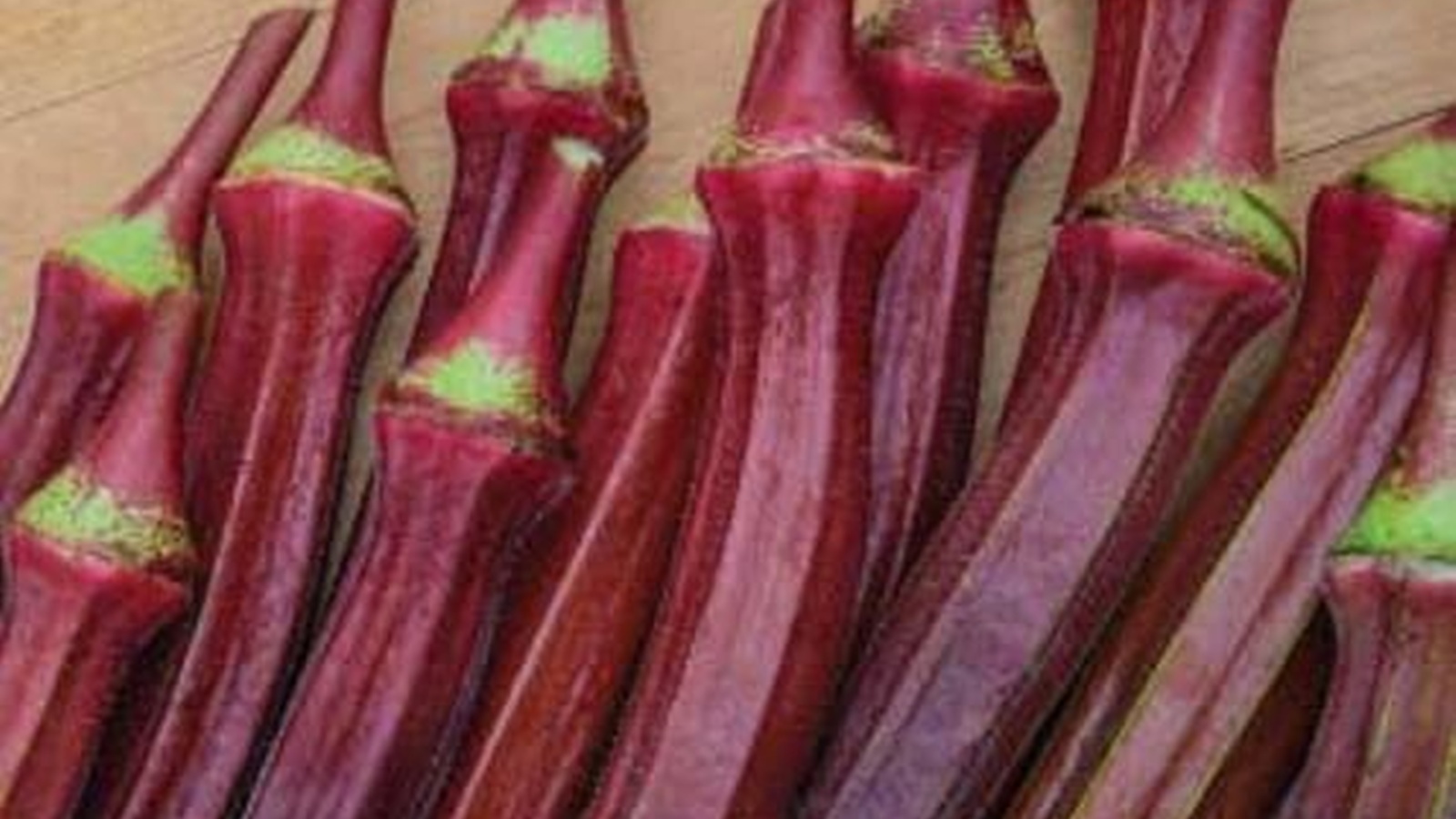
Have you ever had purple okra or bhindi? Also called magenta okra, these are not as common as their green cousins but are equally beneficial for health. So, if you happen to lay your hands on them, do try to reap a host of health benefits. Telling us more about this vegetable, clinical dietitian Garima Goyal said, “Purple bhindi is a vibrant variant of the regular green okra. The striking purple hue comes from anthocyanins, the natural pigments also found in berries, red cabbage, and purple carrots, known for their antioxidant and anti-inflammatory properties.”
DISCLAIMER: This article is based on information from the public domain and/or the experts we spoke to. Always consult your health practitioner before starting any routine.
These compounds may help protect cells from oxidative stress, support heart health and contribute to better metabolic balance, continued Goyal, adding that nutritionally, purple and green okra are quite similar — “both are rich in fibre, vitamin C, vitamin K, folate, and magnesium, but the purple variety offers an added antioxidant boost thanks to its pigment.”
What makes purple bhindi appealing?
It delivers all the benefits of regular okra while also providing a colourful, antioxidant-rich twist to everyday meals, said Goyal.
Green bhindi is most common (Photo: Getty Images/Thinkstock)
“The fibre in okra supports gut health and digestion, helps regulate blood sugar, and aids in satiety, making it a great addition for those focusing on weight management or balanced nutrition. The antioxidants, meanwhile, offer potential long-term benefits by lowering inflammation and improving overall cellular health,” she told indianexpress.com.
What to note?
It’s important to note that the purple colour tends to fade when cooked, turning green or brown depending on heat and acidity. “To preserve its colour and nutrients, it’s best to cook it lightly, either sautéed quickly, roasted or added toward the end of cooking in curries or stews,” said Goyal.
Availability may still be limited, and it’s often found at organic stores, farmers’ markets, or online platforms.
Story continues below this ad
Including purple bhindi in your diet is a simple way to add more variety and micronutrient depth to your plate. “While it’s not a superfood in isolation, it fits beautifully into a diverse, plant-rich diet and offers both visual appeal and a nutritional upgrade over regular okra,” said Goyal.
DISCLAIMER: This article is based on information from the public domain and/or the experts we spoke to. Always consult your health practitioner before starting any routine.
View original source — Indian Express ↗
Related stories

The Hollywood Reporter
EntertainmentJul 6, 2026 · 1 min
Moritz de Hadeln, Swiss Director Known as “Mr. Film Festival,” Dies at 85
The Hollywood Reporter

Variety
EntertainmentJul 6, 2026 · 1 min
25 Hottest Soccer Stars at the 2026 World Cup: Rodrigo De Paul, Jude Bellingham, Christian Pulisic and More
Variety

E! Online
EntertainmentJul 6, 2026 · 1 min
Where Taylor Swift’s Former BFF Dianna Agron Was During Wedding
E! Online

Rolling Stone
EntertainmentJul 6, 2026 · 1 min
All 35 Guitarists Who Ever Played in Bob Dylan’s Band
Rolling Stone