Indian Express
Bengaluru engineer on Centre’s terrorist list ‘linked to LeT, Al-Qaeda and ISIS’
A tech-savvy engineering graduate from Bengaluru who fled India in the wake of a 2012 terrorism conspiracy case has been named as part of a list of 23 people designated as terrorists by the Ministry of Home Affairs (MHA).
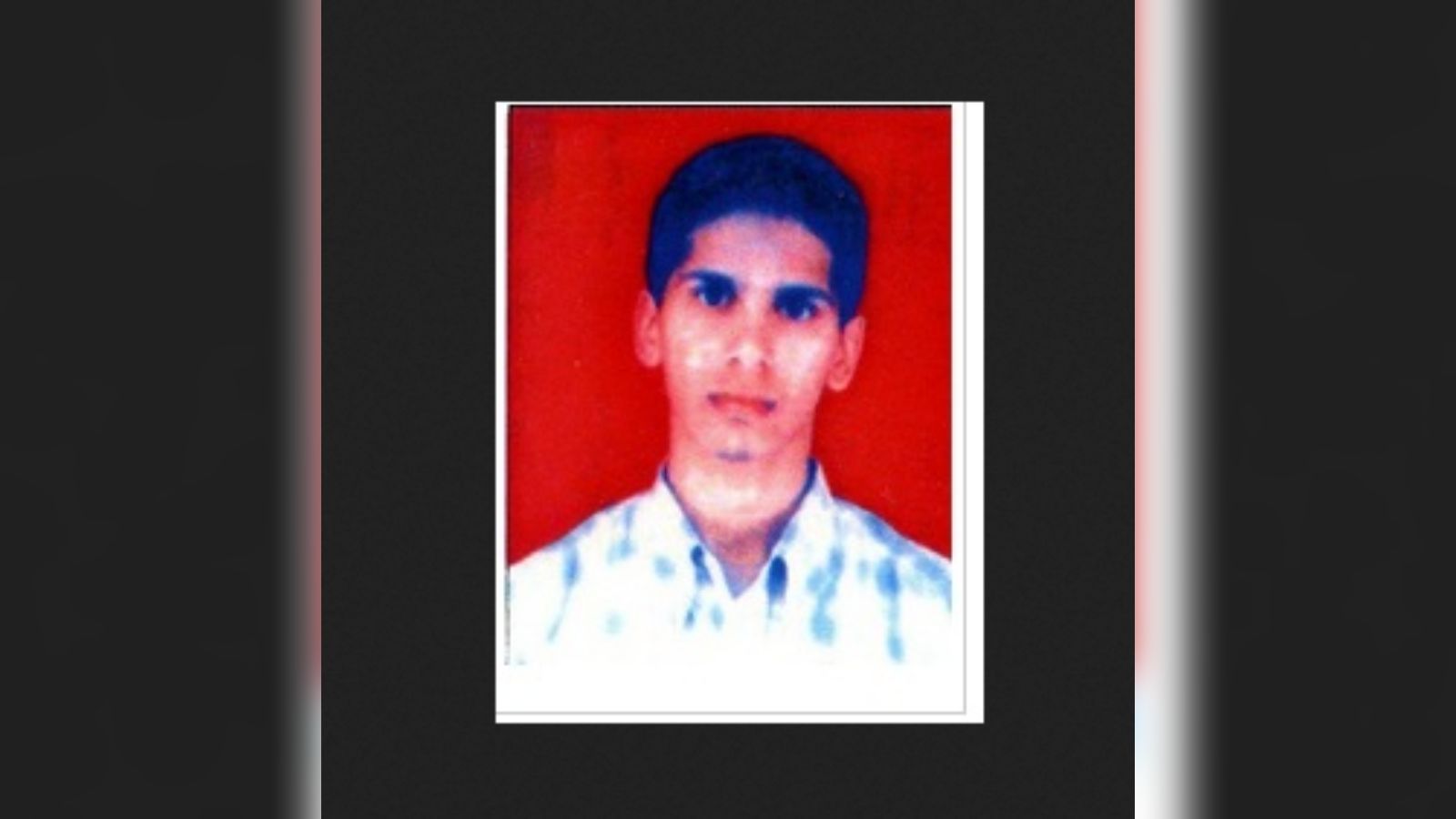
Mohammed Shahid Faisal alias Zakir Ustad, 42, an engineering graduate from Bengaluru who went missing as a 28-year-old following the unearthing of an alleged Lashkar-e-Taiba-linked terror plot, was on the list released on July 4.
Faisal, whose parents settled in Bengaluru after moving from Kerala, has been identified in recent years as the online handler for terror-linked incidents like the Mangaluru autorickshaw blast in November 2023, the Bengaluru Rameshwaram Cafe blast in March 2024, and other incidents in South India since 2020.
Faisal is number 23 on the MHA’s list. He has been identified as “Mohammad Shahid Faisal (alias Ustad, Muhandis, Zakir)” on the list and described as having “Pakistani nationality (originally Indian, currently active in Rawalpindi) and is affiliated with Lashkar-e-Taiba (LeT), Al-Qaeda, and ISIS”.
The MHA list includes 17 Pakistanis and six Indians. “However, all of them at present operate terrorist activities from Pakistan and Pakistan-occupied Jammu and Kashmir,” it said.
‘Plots to kill right-wing politicians’
“He is the key mastermind and handler behind the 2012 Bengaluru LeT conspiracy case and the 2013 Nanded LeT case, which involved plots for the targeted killings of right-wing politicians and journalists. He fled to Pakistan in 2013 with the assistance of terrorist Farhatullah Ghori,” says the MHA’s list.
“Investigations reveal his involvement as an online handler in the Rameshwaram Cafe blast case (2024), the Mangaluru cooker blast, and the Al-Hind ISIS module case. He recruits youth through anti-national and jihadist videos shared on social media and YouTube/Telegram channels (such as ‘Sawat-al-Haq’),” the MHA stated.
Story continues below this ad
A computer science engineering graduate from a prominent private engineering college in North Bengaluru, Faisal earned a reputation as a hacker and computer expert in his college days before allegedly being drawn to radical Islam by local and online preachers.
Police sources often cite an incident in which he hacked an audio-visual presentation at a college event to explain his expertise in the computer and online domain.
Rameshwaram Cafe blast and DIY bomb making videos
The role of Faisal as the handler of an alleged Islamic State-linked module involved in the Rameshwaram Cafe blast in Bengaluru in 2024 emerged following NIA arrests of the two alleged perpetrators of the attack—Mussavir Hussain Shazib, 30 and Abdul Matheen Taha, 30—who are members of an alleged Islamic State module from Shivamogga in Karnataka.
Faisal was named in 2024 as accused number six in the Rameshwaram Cafe blast case.
Story continues below this ad
Faisal, who was identified as “Colonel” and “Bhai” during online conversations with members of Karnataka modules, is alleged to have sent dozens of DIY bomb making videos, and also several thousands of rupees through cryptocurrencies to Abdul Matheen Taha, an information technology engineer, for running terror operations in the South from 2020.
Taha is alleged to have been introduced to the handler Faisal by Shoaib Ahmed Mirza, a co-accused with Faisal in the 2012 LeT conspiracy case who was released from prison in 2017 after pleading guilty and serving his jail term in the 2012 case.
“Shahid Faisal was identified after analysis as a common handler for groups in Tamil Nadu and Karnataka, while another missing terror suspect, Rashid, was identified as the possible handler of ISIS groups created in Delhi, Padgah, and Pune,” a source said last year following the Red Fort blast in Delhi.
Police sources said Faisal is also linked to two other ongoing cases in Karnataka from 2021 and 2022, including a trial blast case in the Shivamogga region in September 2021 and a cooker blast in Mangaluru in November 2022.
Story continues below this ad
While framing charges against the Shivamogga module of Taha and others, a special NIA court in Bengaluru said on March 7, 2025, that “the Islamic State online handler ‘Colonel’, conspired to radicalize and recruit youths” and “to prepare the newly recruited members for major operations of Islamic State such as ‘Istishhad’ (suicide bombing), assassination, mass attacks, and lone wolf attacks, with the intention to wage war against the Government of India”.
The online handler is alleged to have provided nearly Rs 50,000 per month for the two main perpetrators of the Rameshwaram Cafe blast—Shazib and Taha—through cryptocurrency routes to sustain themselves during a four-year period on the run, after they were identified as being associated with the Islamic State in a case registered in Bengaluru in 2020, the police said.
‘Sheltering in Pakistan with father-in-law’
Faisal and his father-in-law, Farhatullah Ghori, 60, a wanted terror suspect from Hyderabad who is also accused in the 2012 LeT conspiracy case in Bengaluru, are reported to have taken shelter in Pakistan after they fled from India in 2012 following the LeT case.
According to sources in agencies involved with terrorism investigations in South India, Faisal moved to the Syria-Turkey border more recently.
‘A strong message of deterrence’
Story continues below this ad
Union Home Minister Amit Shah said on social media on July 4 that the new list of 23 designated terrorists was part of the Narendra Modi government’s zero tolerance policy against terror.
“The MHA today declared 23 dreaded terror functionaries affiliated with banned organisations as terrorists under the provisions of the Unlawful Activities (Prevention) Act. The designated terrorists are involved in anti-India activities, carrying out terror attacks, inciting terror, trafficking arms, infiltrating through the border, facilitating terrorist organisations, raising funds, and recruiting terrorists,” he said.
“Formally designating these individuals as terrorists will not only help dismantle the terror ecosystem by curbing their financial networks, movements, recruitment capabilities, and terror-linked activities, but will also send a strong message of deterrence against anti-national and terrorist acts,” a government statement said on July 4.
View original source — Indian Express ↗
Related stories

The Punch
WorldJul 6, 2026 · 1 min
Ondo senator, APC chieftain hail Olowo of Owo at 60
The Punch
The Punch
WorldJul 6, 2026 · 1 min
VIDEO: Delta businessman gifts barber N5m after chance salon encounter
The Punch

Indian Express
WorldJul 6, 2026 · 1 min
Children can’t pay for adults’ choices: Court upholds DNA test in maintenance case
Indian Express

BBC
WorldJul 6, 2026 · 1 min
'The spectacle Iran wants the world to see': Lyse Doucet in Tehran
BBC