Indian Express
India can bridge a fragmented world as a ‘connector economy’: Anand Mahindra
3 min readMumbaiJul 6, 2026 09:34 PM IST
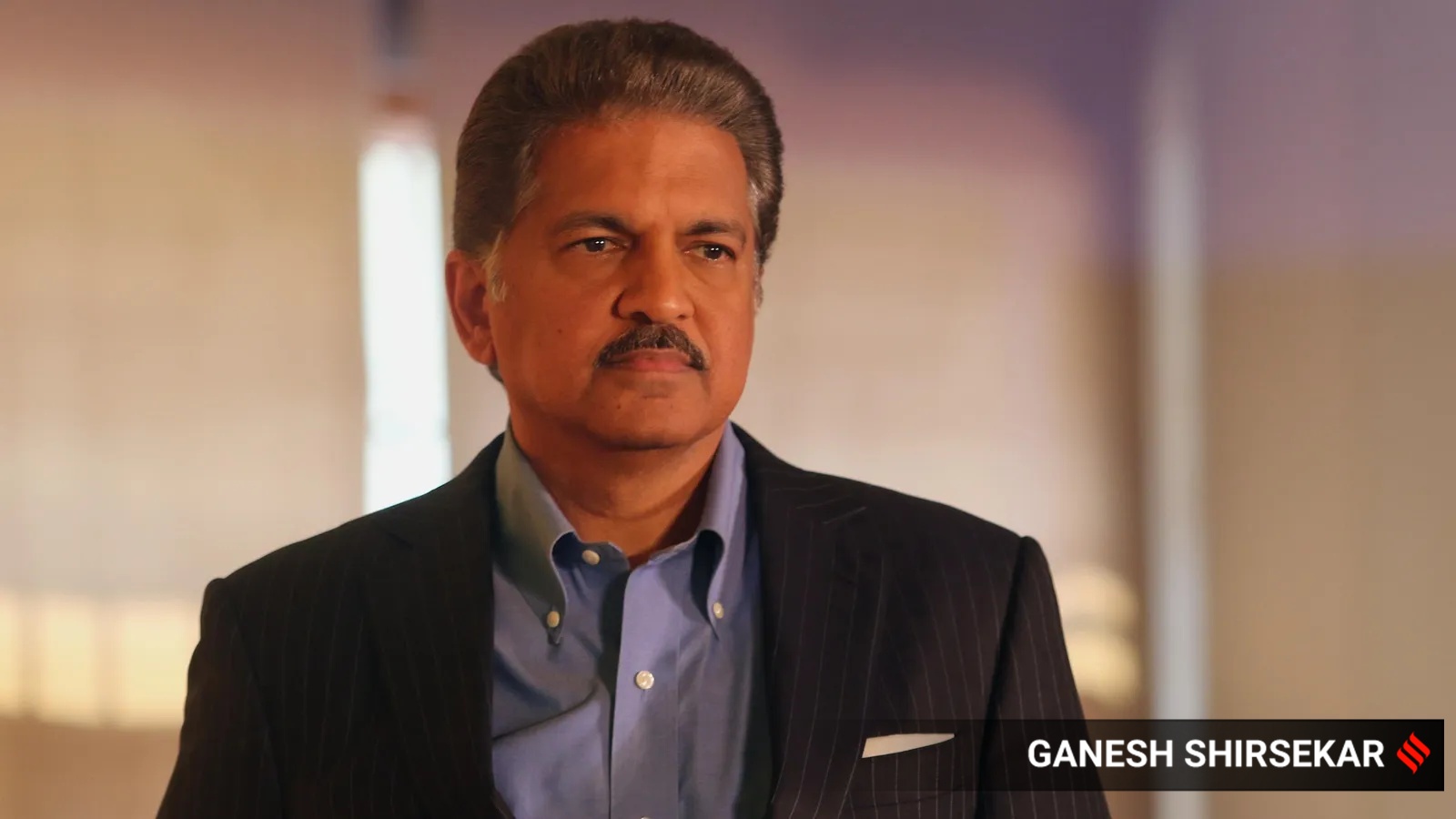
Anand Mahindra, Chairman of Mahindra Group. (Express Photo by Ganesh Shirsekar)
With uncertainty no longer the exception, the next global order may well be shaped by those that can become “connectors” in a fragmented world. This presents an opportunity for India to emerge as a “connector economy” that works across divides, said Anand Mahindra, Chairman of Mahindra Group.
“It is already beginning to establish this reputation with its low-key ‘goodwill towards all’ approach over the past year,” he said in his letter to shareholders in the annual report of Mahindra & Mahindra.
Add to that India’s democracy and political stability, its geographical position as a political and economic buffer against China, its large domestic market, and the trust it commands across ideological blocs, and you have the definition of a perfect “connector economy”, Mahindra said.
“Uncertainty is no longer the exception; it is the rule,” he said.
“Black swan events have become obsolete because the pond is full of black swans. Situations that were previously seen as temporary disruptions are now proving to be a more long-term reset of supply chains, geopolitical alignments and technologies,” Mahindra said.
“There is a shift from episodic shocks to continuous earthquakes, where anticipating change is increasingly difficult, and the imperative is to build the agility and resilience to navigate a constantly shifting landscape. Manthan 2.0 is, indeed, upon us,” Mahindra said.
“Can we continue to reap the amrit in this new Manthan? For India, the stars are favourable,” he said, adding that India’s rise is increasingly aligned with the way the world is being reconfigured.
Story continues below this ad
“Mark Carney and many other global leaders have called for the world to move beyond rigid trading blocs towards multiple coalitions, and this is happening as we speak.”
“We were the first to implement the concept of non-alignment. This is the ideal time to move from being ‘non-aligned’ to becoming a ‘multi-aligned’ force and a trusted partner. The question for India is no longer whether it will rise, but how fully it will translate this moment into an enduring advantage,” Mahindra said.
He said it is time to move from navigation to acceleration.
“As the mist of uncertainty billows around us, we will seek enduring advantage by going into Attack Mode,” he said.
Story continues below this ad
“Attack Mode is a strategy adopted in Formula E racing, where a racing driver makes a deliberate choice to accelerate at the right moment, in imperfect conditions. In ideal conditions, overtaking is difficult, because everyone is at speed,” he said.
In a world that is rebalancing and shifting from globalisation to selective partnerships, India’s relevance has grown, Mahindra said.
“Its ability to combine scale with strategic flexibility is positioning it as an increasingly important pillar of a distributed global economy,” he said.
George Mathew is an Associate Editor with The Indian Express, based in Mumbai. A veteran of financial journalism with nearly three decades of experience, he is one of the country’s most authoritative voices on banking, regulation, and the corporate sector.
Expertise & Focus Areas Mathew’s reporting covers the nerve center of India’s economy. His specialized beats include:
The Reserve Bank of India (RBI): He has tracked the central bank's policy evolution through the tenures of multiple Governors, offering deep insights into monetary policy, repo rates, and banking regulation.
Banking & Insurance: Extensive coverage of public and private sector banks, non-performing assets (NPAs), and key legislative reforms like the Insurance Amendment Bills.
Corporate Affairs: Mathew frequently breaks major stories related to India's largest conglomerates, with a specific focus on the Tata Group, documenting boardroom shifts and strategic decisions.
Financial Markets: Reporting on the complexities of Foreign Portfolio Investors (FPIs), IPOs, and currency fluctuations.
Authoritativeness & Insight With a career dating back to the late 1990s, Mathew possesses a rare institutional memory of India’s financial liberalization and market crises. His work is not limited to daily news; he frequently contributes to the "Explained" section, where he decodes complex financial legislations and market trends for a broader audience. His rigorous reporting has also been featured in scholarly platforms like the Economic and Political Weekly (EPW).
Find all stories by George Mathew here ... Read More
Tags:
Mahindra
View original source — Indian Express ↗
Related stories

Philippine Daily Inquirer
BusinessJul 6, 2026 · 1 min
BIZ BUZZ: Power lunch with cool, calm BSP chief
Philippine Daily Inquirer

Dawn
BusinessJul 6, 2026 · 1 min
Ufone, Telenor seek rebranding of merged telecom company, file application with PTA
Dawn
MarketWatch
BusinessJul 6, 2026 · 1 min
Nine microcap stocks of companies expected to grow sales by triple digits through 2028
MarketWatch
Bloomberg
BusinessJul 6, 2026 · 1 min
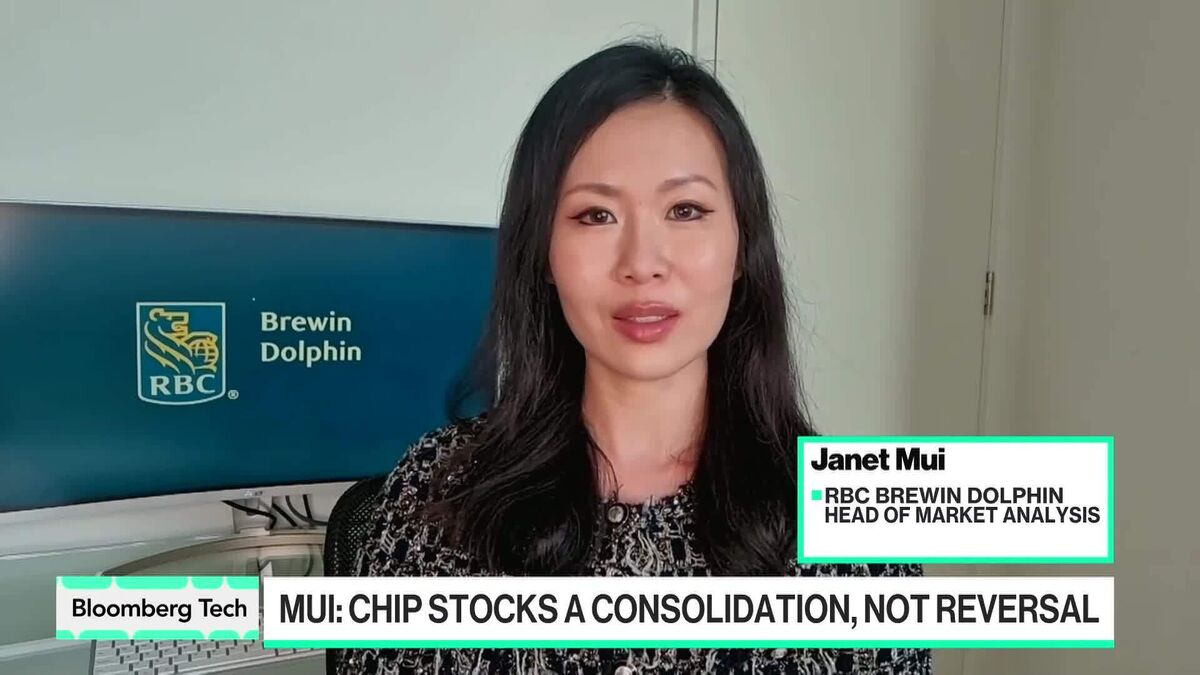
RBC's Janet Mui Sees Semiconductor Stock Pullback as Healthy Consolidation
Bloomberg