
RNZ
Is an election really bad for the economy?
We are often told that the economy goes on hold in the lead-up to the election, as households and businesses put investing and purchasing decisions on ice while they wait to see what shape the next government will take.
But how true is it, and will we see it happen this year?
Michael Gordon, a senior economist at Westpac thinks it's a bit of an urban legend. He said data showed that since 1990, the economy had performed slightly better in election years than those without one.
The average gross domestic product (GDP) growth for election years was 3.1 percent, compared to a long-run average of 2.8 percent a year.
"Of course, within that average there has been substantial variation across election years, just as there has been for non-election years. But generally that has had more to do with whether the economy was already heading into recession, such as the GFC in 2008, or was rebounding from an earlier recession, such as in 1993 and 1999.
"I've also looked at a range of higher-frequency data including house sales, building consents, vehicle registrations and job ads. Again, there's no consistent pattern in the months before and after elections."
Last election, house sales increased 16 percent in November compared to October but were still down 0.2 percent on the year before. The election was October 14 and some investors were reported to be waiting to see whether National would take power and put an end to Labour's policy of removing their ability to claim interest as a cost when submitting tax returns.
Cotality chief property economist Kelvin Davidson said the election was never the only thing happening. "Ballpark sales might end up 10 percent lower leading up to an election than they otherwise would have been... It might be different each cycle but people do get a wee bit nervous.
"It's more about what happens afterwards. If you were going to make a property decision you think 'well I'll just hold back and see which party wins... But then the experience would really on average tell you that after the election, activity just bounces back again."
He said some investors were wary about the potential for a Labour government to bring a capital gains tax and reintroduce the end of interest deductibility.
"I think there's potential for sales to slow this time, and then I guess it's about what happens afterwards if we see a change of government.
"Maybe we don't get that activity being recouped later to the full extent because if we do change, there's going to be some tax changes and that might mean that people who were waiting and thinking about a purchase might just never make that purchase at all."
Retail NZ chief executive Carolyn Young said she thought there were regional-specific effects. "Certainly, Wellington slows down."
She said many people in Wellington were affected by government spending and in the lead-up to the election the government was likely to want to be clear that it was being efficient with its money.
"This happens every election, they'll do everything they can to demonstrate to the voters of the country that they're being really mindful of how taxpayers' money is spent and it's not being wasted."
Elsewhere, she said, activity was more likely to be affected by things like the stronger rural sector. The Government might want to be seen to be working to boost Auckland. What the Reserve Bank chose to do with the official cash rate would also be a factor.
Otago University economist Murat Ungor agreed that there was not a clear answer. He said research showed that if businesses were able to scale production up or down relatively easily uncertainty could become an opportunity rather than a threat.
"Consider a factory that adjusts output between 50 percent and 200 percent of normal capacity. Wider price swings raise the firm's expected payoff, making it behave as if it were risk-loving-not by preference, but because its flexible technology converts volatility into higher average profits."
He said many businesses had been operating in a long period of uncertainty because of the wider geopolitical environment. But some research in the United States showed 30 percent of businesses had postponed, scaled down, delayed indefinitely or cancelled investment plans because of election uncertainty.
"Election-related uncertainty leads a nontrivial share of firms to delay or cancel irreversible investment decisions. It also complements the perception-driven results from the cross-country survey, showing that how firms perceive political uncertainty translates into real economic consequences-in this case, slower growth that impacted firms do not expect to recover."
He said business behaviour was often driven by the perception of political instability more than the reality.
A recent survey found higher perceptions of political instability were associated with more investment rather than less.
"This suggests a risk-opportunity strategy at work: while one firm sees a threat and halts investment, another sees a chance to capitalise on market shifts before competitors act. The study shows that when uncertainty is perceived rather than objectively measured, and particularly in small and medium-sized enterprises where managerial discretion is strong, uncertainty may stimulate rather than deter investment.
This suggests that uncertainty doesn't create a single outcome; it creates a complex environment where individual perceptions and risk appetites play a major role.
"This finding offers food for thought for New Zealand, where SMEs make a significant contribution to the economy. If perceived political instability can actually stimulate investment in smaller firms, policymakers might consider whether periods of political transition could be leveraged to encourage SME investment through targeted support programs, rather than simply assuming a contractionary response will follow."
Gordon said business confidence would show an impact. He said those surveys had well-known political bias and tracked 20 to 30 points lower under Labour-led governments than under National-led governments.
"So we may see confidence rise or fall ahead of an election if businesses sense that a change of government is in the wind. But that doesn't mean there's a corresponding impact on activity, it just means that the surveys become a less reliable signal."
Sign up for Money with Susan Edmunds, a weekly newsletter covering all the things that affect how we make and spend money.
Related stories
Bloomberg
BusinessJul 6, 2026 · 1 min
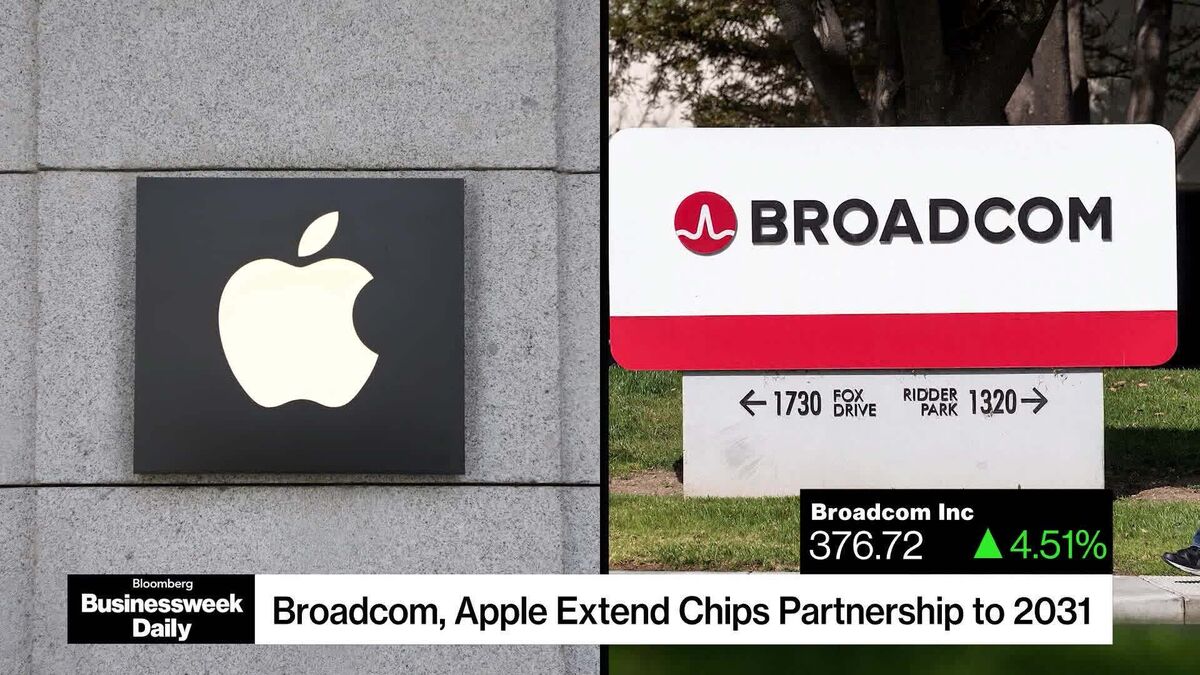
Broadcom, Apple Extend Chips Partnership to 2031
Bloomberg
Bloomberg
BusinessJul 6, 2026 · 1 min
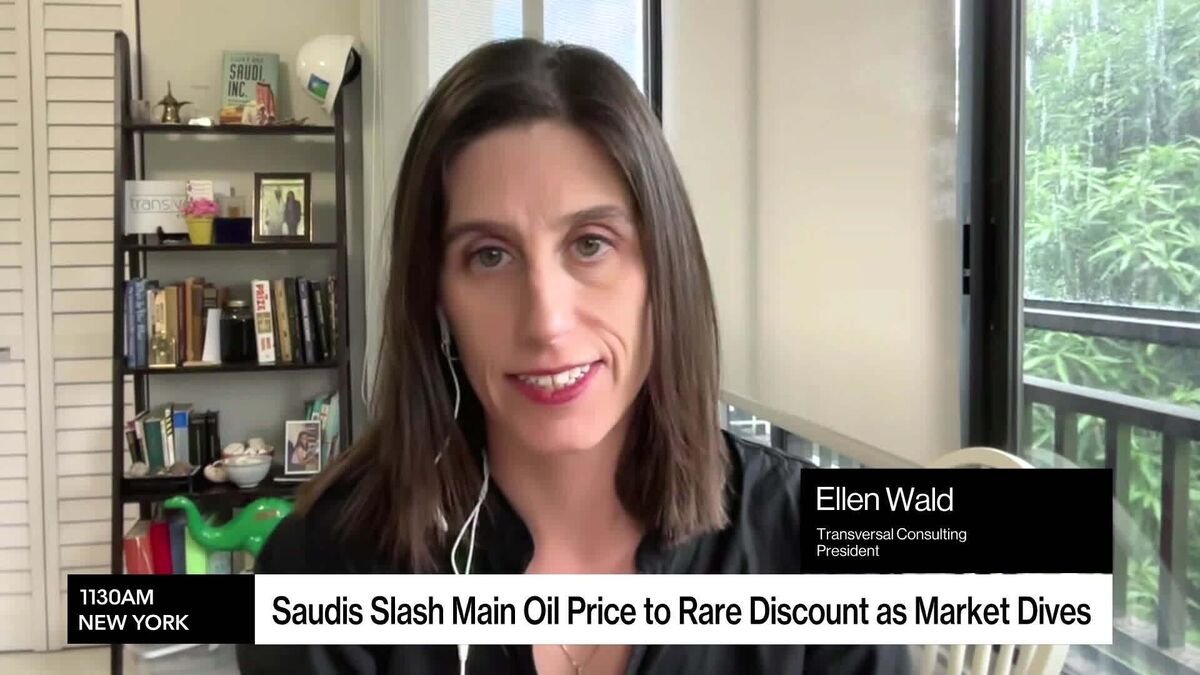
Saudis Slash Main Oil Price to Rare Discount
Bloomberg
Bloomberg
BusinessJul 6, 2026 · 1 min
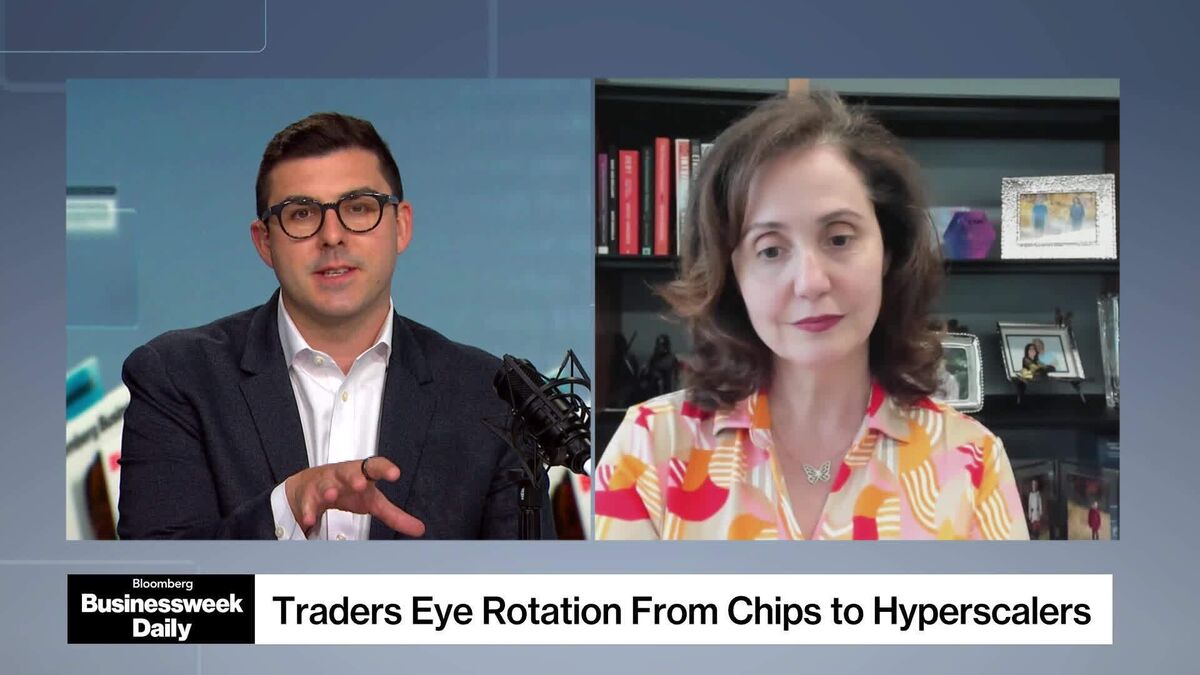
High AI Capex Demand a 'Multi-Year' Cycle, Says Rudina Seseri
Bloomberg
Bloomberg
BusinessJul 6, 2026 · 1 min
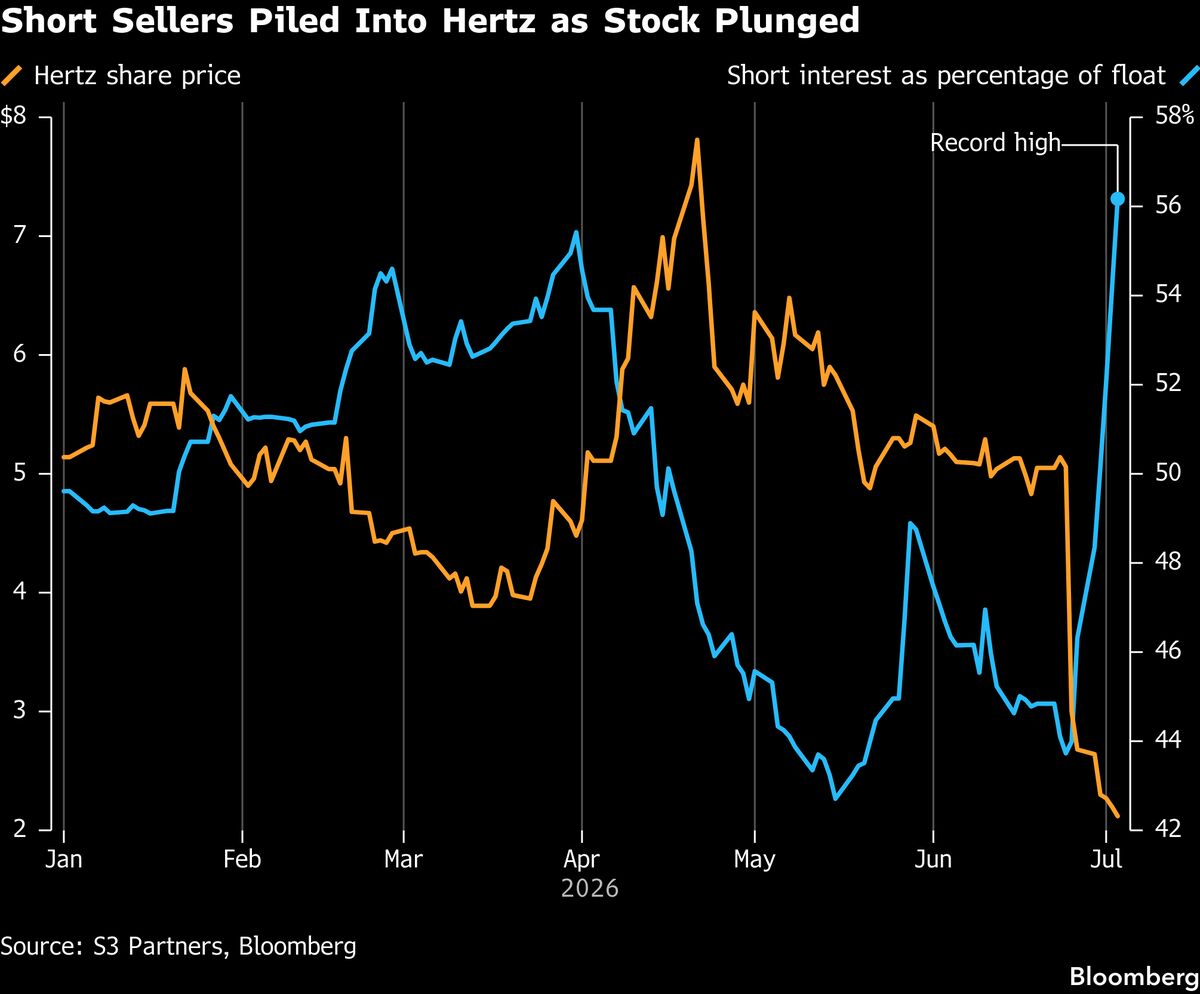
Hertz Bears Boost Short Bets to Record After Shares Plummet 60%
Bloomberg