
Antara News
RI must leverage maritime industry, active policy globally: deputy FM
Jakarta (ANTARA) - Indonesia must leverage domestic maritime capabilities, human capital, as well as independent and active foreign policy to strengthen its bargaining power amid a fragmenting global order, Deputy Foreign Minister Arif Havas Oegroseno stated.
"We can have leverage over global conditions," Havas said at a seminar titled "Strategy for Strengthening the National Maritime Industry in Facing Global Dynamics," organized by the Indonesian Navy Retired Officers Association (PPAL) in Jakarta on Tuesday.
According to Havas, three key pillars can provide Indonesia with significant global bargaining power, including physical infrastructure, human resources, and state policies.
Indonesia’s primary physical leverage lies in the rapid expansion of its shipping industry and domestic fleet ownership, alongside scaling up the capabilities of national shipping companies and port management services.
In addition to port management, Havas highlighted that the global development of Indonesia's offshore oil and gas industry serves as an important asset for expanding maritime influence and international cooperation.
"If we talk about oil and gas exploration, we have entered Algeria and Gabon, we have contracts in Angola and Venezuela. We will enter Namibia and many other countries," he mentioned.
Supporting this physical expansion is Indonesia’s vast pool of competent seafarers. The deputy foreign minister asserted that the country’s specialized maritime educational institutions are successfully producing highly skilled crews, serving as critical capital for Indonesia’s global competitiveness.
The third factor capable of boosting Indonesia's leverage is its historic independent and active foreign policy, Havas noted.
"When we talk about independent and active, that means we are free to choose our own strategy. Active means we are active in conducting international relations activities,” he remarked.
Havas emphasized that this doctrine should not be mistaken for passive neutrality, which he defined as a rigid legal principle requiring formal declaration under international law.
Instead, an independent and active policy offers the agility required to navigate modern economic and geopolitical volatility.
"Now it is difficult if we only belong to one camp... if we only join one camp, we are doomed. We have to navigate various aspects that are now increasingly complex," Havas concluded.
Related news: Indonesia, Japan agree to enhance maritime defense cooperation
Related news: Indonesia, Russia explore maritime technology partnership
Related news: Indonesia eyes global ship production hub status
Translator: Cindy Frishanti Octavia, Yashinta Difa
Editor: Azis Kurmala
Copyright © ANTARA 2026
View original source — Antara News ↗
Related stories

The Punch
PoliticsJul 7, 2026 · 1 min
Atiku faults Tinubu over Almajiri commission budget, PFIPC scandal
The Punch
South China Morning Post
PoliticsJul 7, 2026 · 1 min
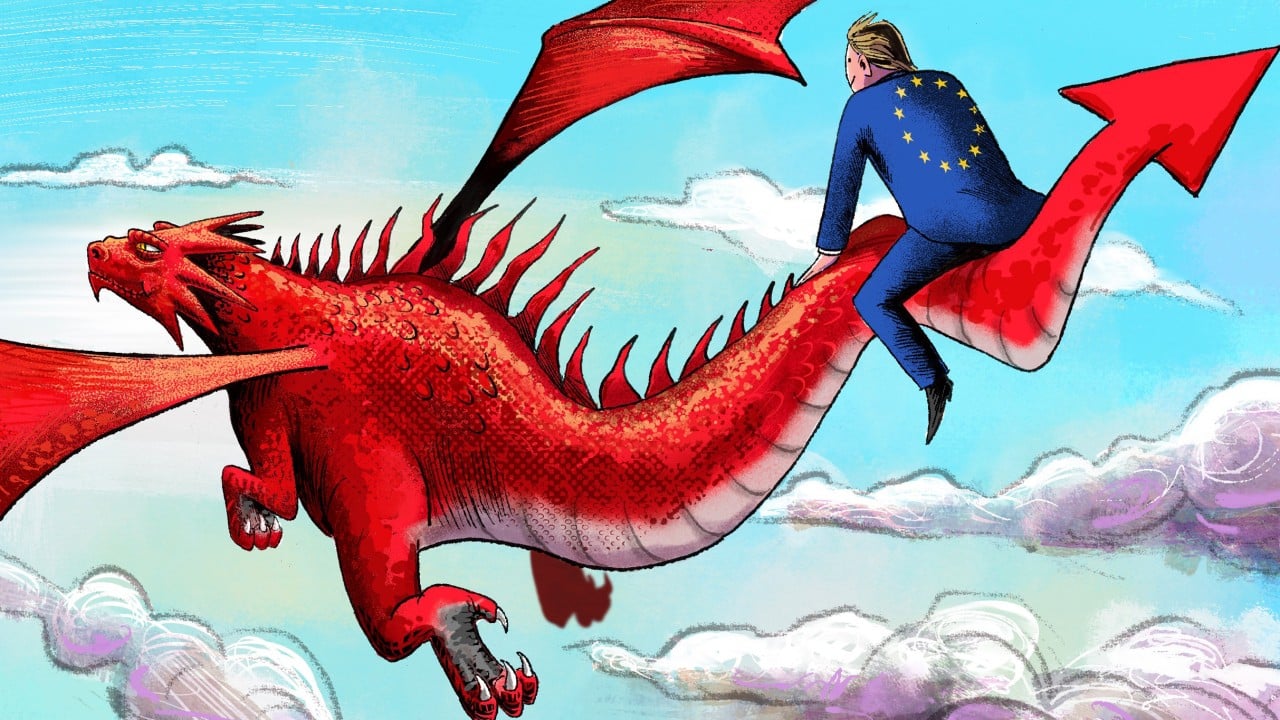
Europe could prosper as China’s trade ally rather than adversary
South China Morning Post

The Hill
PoliticsJul 7, 2026 · 1 min
The Supreme Court’s bleak October term served Trump, not America
The Hill
Dawn
PoliticsJul 7, 2026 · 1 min
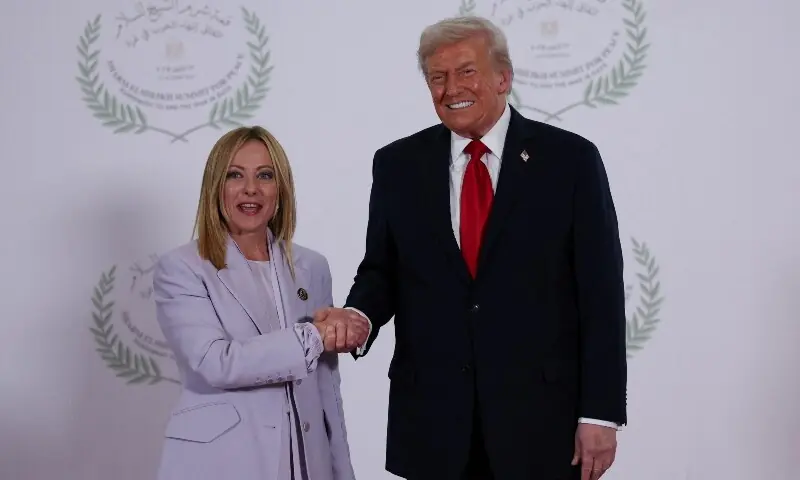
Italy's Meloni seeks to avoid escalation after Trump revives personal feud
Dawn