Indian Express
Why US Polo CEO never texts employees after work hours: ‘It’s a marathon, not a sprint
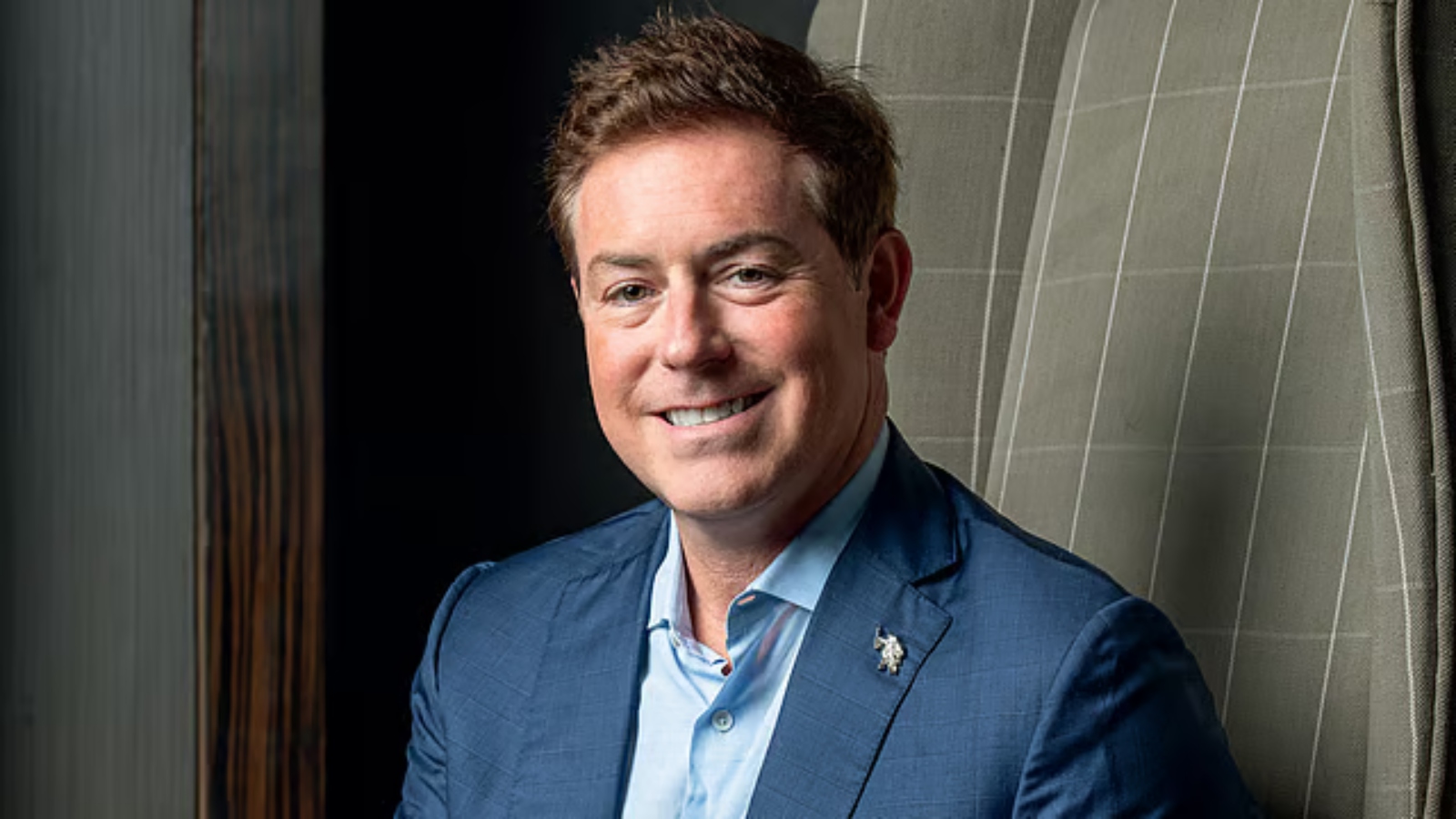
For many professionals, late-night emails or weekend messages from the boss have become almost routine. But J Michael Prince, CEO of US Polo Assn., has made a conscious effort to avoid that culture after spending years pushing himself to the limit.
“One thing I try to respect is—and this never really happened to me throughout my career—unless there’s something major going on, I try to leave people alone in the evenings, so you rarely ever get an email or text from me after the office,” he said.
Despite leading a global brand worth $2.7 billion with operations spanning 190 countries, around 1,200 stores worldwide and high-profile polo events, including charity matches at Windsor Castle attended by Prince William, Prince believes employees deserve uninterrupted personal time.
“I leave the office, and I really try to respect people’s weekends, because I feel like that’s your family time, that’s your personal time, that’s your friendship time, that’s your time to reset, recharge spiritually, mentally, physically, emotionally,” he added.
A routine built around balance
Prince begins his day early, waking up at around 5.15 a.m. While he isn’t a fan of alarms before dawn, he jokes, “I don’t like the fours, but I like the fives.” His mornings start with an hour-long workout, followed by coffee, checking emails and, most importantly, breakfast with his family. Rather than rushing out, he and his wife alternate school drop-off duties before he heads to work.
He also deliberately avoids peak traffic, preferring to arrive at the office a little later. “Because I know once I get to the office, there goes my day, no matter how well it’s planned,” Prince explained.
Story continues below this ad
His workday is packed with meetings, conversations with international partners and business discussions. Even so, he aims to leave by 5.30 p.m. so he can have dinner at home. After one final check of emails or messages, he disconnects for the evening. The only exception is in an emergency, when his team knows they can reach him at any hour.
Learning from years of burnout
Prince admits he wasn’t always this disciplined about work-life balance. Earlier in his career, he routinely worked 90-hour weeks, stayed up through the night and rarely slowed down in pursuit of success.
“I probably lost some years on the front end from some of those ‘good habits’ that could also be considered bad habits,” he recalled.
Looking back, he believes he could have achieved the same goals without sacrificing so much of his health.
Story continues below this ad
Prince said. “I could have eaten differently, I could have been a little more thoughtful about my sleep, about my routine around working out, my travel…”
He acknowledged that when work consumes nearly every waking hour, healthy habits are often the first thing to disappear. Meals get skipped, sleep is compromised, and exercise takes a back seat. Now in his 50s, Prince says experience has changed his perspective. Instead of treating a career like a race, he believes professionals should think long-term and build habits they can sustain for decades.
His advice to those chasing ambitious career goals is simple: “Work hard, but also take care of yourself. It’s a marathon, not a sprint.”
View original source — Indian Express ↗
Related stories

ESPN
SportsJul 7, 2026 · 1 min
ESPYS 2026: Stats behind Best Athlete - Men's Spor...
ESPN

ESPN
SportsJul 7, 2026 · 1 min
$18 million too much for Carlsson? Is Larkin stayi...
ESPN

ESPN
SportsJul 7, 2026 · 1 min
The not-quite-dying art of the slice
ESPN
ESPN
SportsJul 7, 2026 · 1 min
WNBA Power Rankings: Valkyries ride five-game winn...
ESPN