Indian Express
Bombay High Court protects woman who fled ‘forced marriage’ to pursue higher education
4 min readMumbaiUpdated: Jul 7, 2026 05:51 PM IST
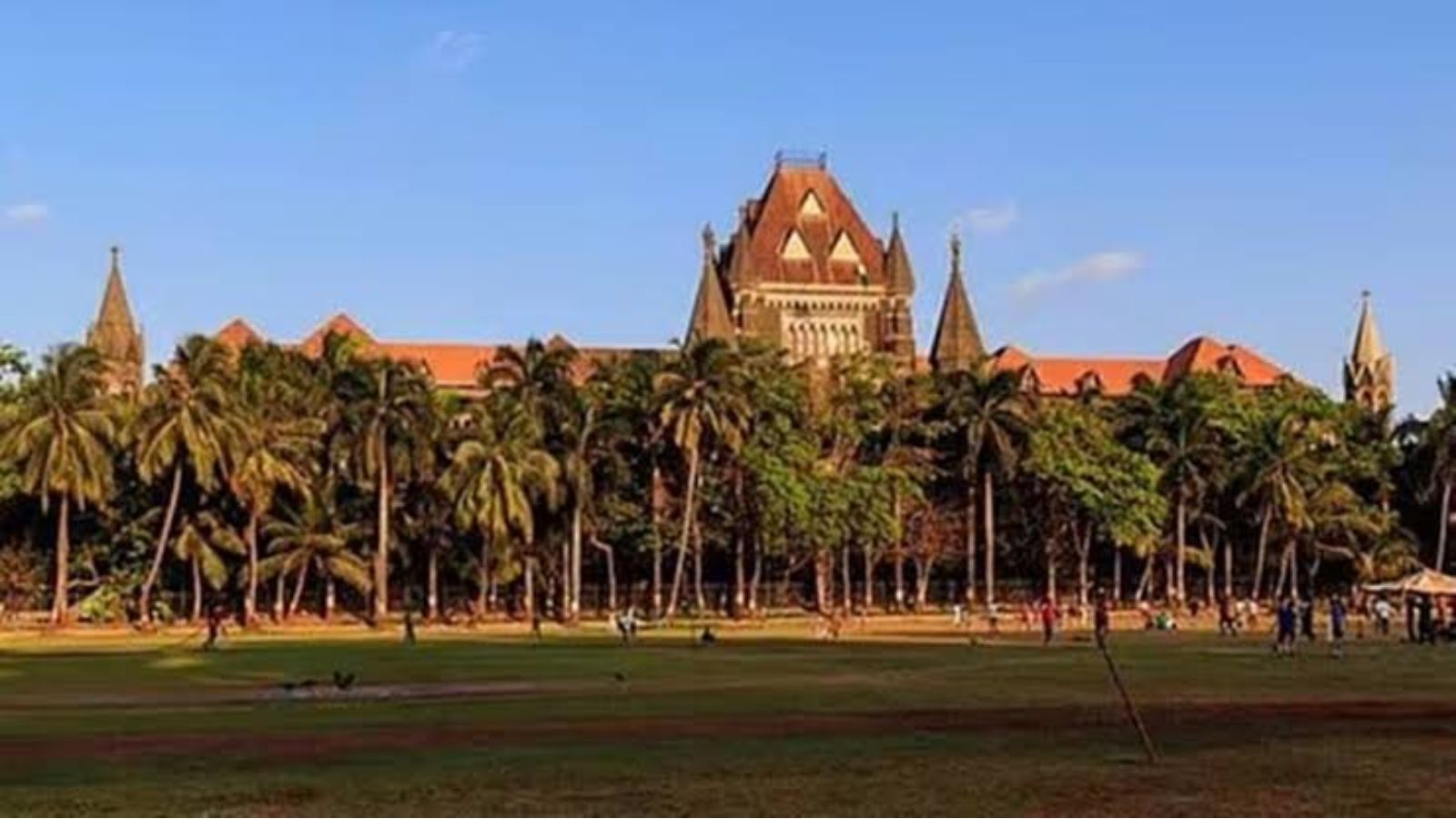
The woman sought directions from the Bombay High Court to the Telangana Police not to force her to return to her parents’ home and to protect her from threats, harassment, or harm from her family or anyone acting on their behalf (File Photo)
The Bombay High Court recently upheld an adult woman’s right to choose where she lives, whom she marries, and whether she pursues education, protecting a 21-year-old who left her parents’ home after allegedly facing pressure to marry her cousin.
The high court, after interacting with the woman, a Telangana resident who now lives in Maharashtra, observed that “there was no justification for treating the woman as a missing person or for continuing any coercive process intended to secure her return”.
The court said she was “acting voluntarily” and directed the Telangana Police to take appropriate steps under the law to close the missing person report lodged by her parents.
“The petitioner shall not be compelled, directly or indirectly, to return to her parental home or be subjected to any pressure under the threat of criminal proceedings or otherwise,” a bench of Acting Chief Justice Ravindra V Ghuge and Justice Gautam A Ankhad noted in its July 2 order.
Noting that the petitioner was acting out of her own free will, Justice Ankhad, for the bench, held, “She is an adult, being 21 years of age, and is legally competent to decide where she wishes to reside, whether she wishes to marry, and whether she desires to pursue higher education. These are matters of personal choice and a part of the rights under Article 21 of the Constitution of India. Neither her parents nor the State can compel her to return to her parental home against her wishes.”
‘Little freedom to express her views’
The woman, who was represented by Senior Advocate Mihir Desai in court, sought directions from the court to the Maharashtra and Telangana Police not to force her to return to her parents’ home and to protect her from threats, harassment, or harm from her family or anyone acting on their behalf.
She completed Class 12 and left home because she was unwilling to marry her cousin, who was 10 years older than her.
Story continues below this ad
Desai claimed she belonged to an “extremely conservative and orthodox family having little freedom to express her views and was subjected to trauma,” and that while she aspired to pursue higher education and attain “financial independence,” her parents were unwilling to permit it.
After her parents filed a missing person complaint, the woman approached the Bombay High Court, apprehending that she could be compelled to marry against her wishes in view of threats from her family members.
‘Genuine apprehension’
Interacting with her in chambers after being informed that she was self-employed, the judges said they found her “mature, articulate and fully conscious of the consequences of the decisions that she has taken” and noted that nothing suggested she was acting under coercion, influence or inducement.
She told the court that while she had no grievances against her adoptive parents, with whom she had lived since infancy, she expressed a “genuine apprehension” that members of her biological family and community could force her to return to Telangana or pose a threat to her safety.
Story continues below this ad
She also expressed concerns about being compelled into marriage against her wishes and being prevented from pursuing higher education.
The judges separately interacted with her adoptive parents, who assured the court that they would neither coerce her into marriage nor obstruct her higher education.
However, the petitioner “unequivocally” refused to return to her parents’ home and assured that she would remain in regular communication with them, who need not be concerned about her safety or well-being and should not attempt to track her. The high court said the parents’ assurances cannot override her choices.
© The Indian Express Pvt Ltd
Omkar Gokhale is a journalist reporting for The Indian Express from Mumbai. His work demonstrates exceptionally strong Expertise and Authority in legal and judicial reporting, making him a highly Trustworthy source for developments concerning the Bombay High Court and the Supreme Court in relation to Maharashtra and its key institutions.
Expertise & Authority
Affiliation: Reports for The Indian Express, a national newspaper known for its rigorous journalistic standards, lending significant Trustworthiness to his legal coverage.
Core Authority & Specialization: Omkar Gokhale's work is almost exclusively dedicated to the complex field of legal affairs and jurisprudence, specializing in:
Bombay High Court Coverage: He provides detailed, real-time reports on the orders, observations, and decisions of the Bombay High Court's principal and regional benches. Key subjects include:
Fundamental Rights & Environment: Cases on air pollution, the right to life of residents affected by dumping sites, and judicial intervention on critical infrastructure (e.g., Ghodbunder Road potholes).
Civil & Criminal Law: Reporting on significant bail orders (e.g., Elgaar Parishad case), compensation for rail-related deaths, and disputes involving high-profile individuals (e.g., Raj Kundra and Shilpa Shetty).
Constitutional and Supreme Court Matters: Reports and analysis on key legal principles and Supreme Court warnings concerning Maharashtra, such as those related to local body elections, reservations, and the creamy layer verdict.
Governance and Institution Oversight: Covers court rulings impacting public bodies like the BMC (regularisation of illegal structures) and the State Election Commission (postponement of polls), showcasing a focus on judicial accountability.
Legal Interpretation: Reports on public speeches and observations by prominent judicial figures (e.g., former Chief Justice B. R. Gavai) on topics like free speech, gender equality, and institutional challenges.
Omkar Gokhale's consistent, focused reporting on the judiciary establishes him as a definitive and authoritative voice for legal developments originating from Mumbai and impacting the entire state of Maharashtra. ... Read More
Tags:
Article 21
Bombay High Court
View original source — Indian Express ↗
Related stories

The Punch
WorldJul 7, 2026 · 1 min
Police demote inspector, corporal caught using POS for extortion in Delta
The Punch
The Punch
WorldJul 7, 2026 · 1 min
NDDC strengthens anti-corruption, transparency unit
The Punch
The Punch
WorldJul 7, 2026 · 1 min
Coastal highway not responsible for Lagos flooding, Sanwo-Olu, Umahi insist
The Punch
The Punch
WorldJul 7, 2026 · 1 min
Controversial budget items are N’Assembly constituency projects – Almajiri commission
The Punch