Indian Express
From Bengaluru Capgemini creche horror, a message: Taking care of children is serious business
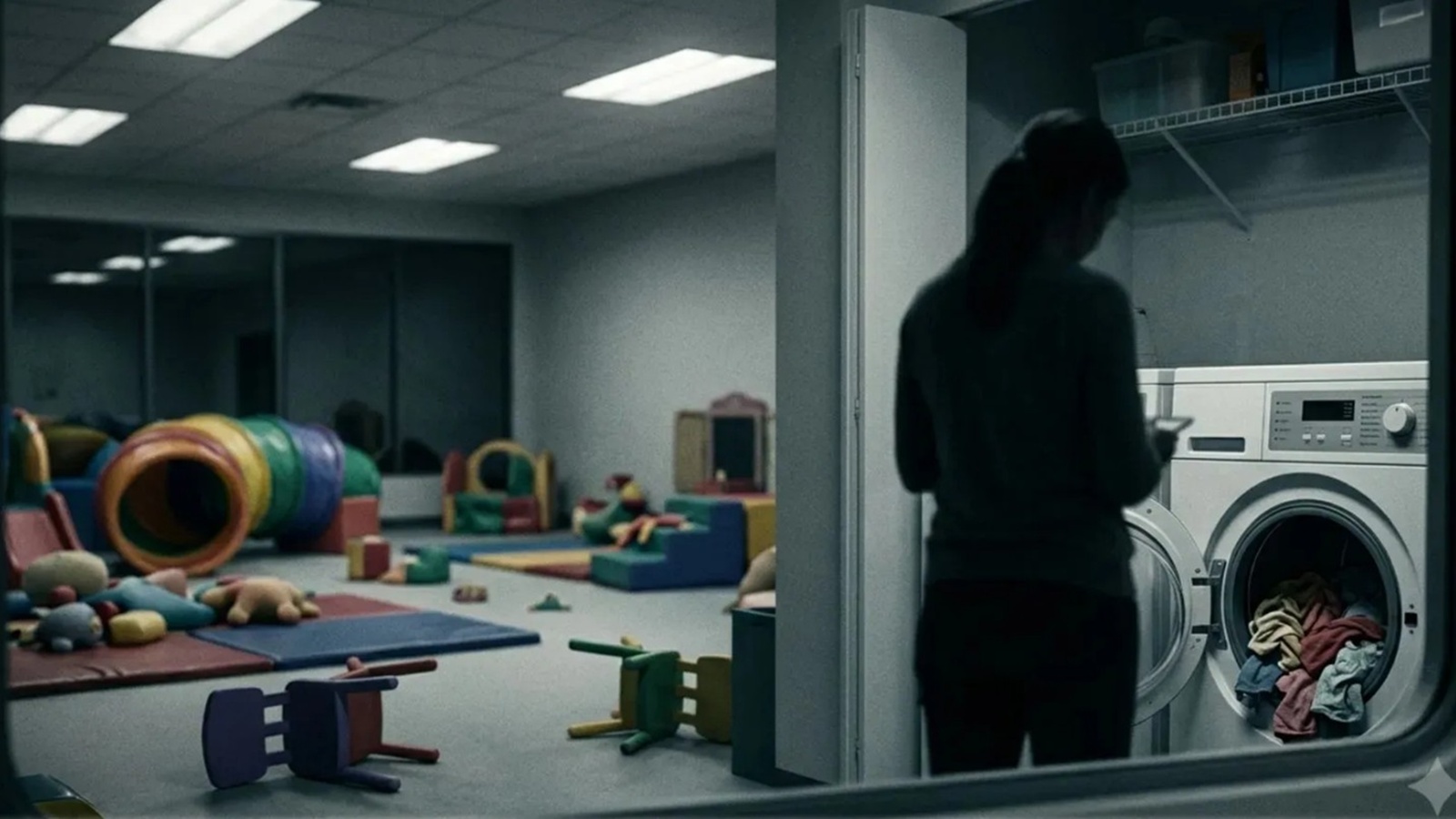
The police have arrested two people in connection with the case and booked them under relevant provisions of the Bharatiya Nyaya Sanhita and the Juvenile Justice Act. (Image generated using AI)
4 min readJul 7, 2026 06:02 PM IST
First published on: Jul 7, 2026 at 06:02 PM IST
Written by Susan Thomas and Chirashree Ghosh
On July 1, Capgemini shut down its on-campus daycare in Bengaluru after viral videos allegedly showing toddlers being abused surfaced. The shocking allegations are a warning about a larger childcare system that remains underregulated, undervalued, and often invisible. The Capgemini episode is a symptom of a much deeper crisis: The urgent need to build a safe, accountable, and dignified childcare ecosystem.
A robust childcare system will ensure children grow in a secure, nurturing, and developmentally rich environment. It enables women to enter and stay in the workforce. And it converts care work from an invisible burden into a formal profession with standards, training, and fair wages. Despite rapid progress in the country, 86 million children under six still lack access to quality early care at the very age when 85 per cent of brain development is most rapid. At the same time, female labour force participation remains distressingly low, especially in urban India where mothers are often forced to choose between earning and caregiving. This is not only a social problem; it is a drag on productivity, economic growth, and inclusion.
Other countries have shown that childcare is not a peripheral welfare scheme but core infrastructure. Singapore, for instance, expanded preschool capacity, subsidised centres, and tightened safety and wage standards as part of a broader strategy to support working families and national productivity.
India has a legal framework that recognises the importance of workplace crèches. The Maternity Benefit (Amendment) Act, 2017 and the related crèche guidelines set out standards for staffing, monitoring, safety, and training. However, it is important to implement the guidelines to avoid such tragedies. What requires proactive action is responding to the needs of women workers in the formal and informal sector.
A crèche is not a convenience room where children are merely supervised until parents finish work. It is a space where nutrition, health, safety, early learning, and emotional well-being must come together. Children need more than watchfulness; they need responsive care from trained adults.
Childcare is still treated as a low-status extension of unpaid domestic labour. Workers are paid meagre wages, and their skilling is not a priority. This calls for the expansion of childcare services, crèches, maternity and parental benefits, skilling of childcare workers, and family-friendly workplace policies to reduce women’s unpaid care burden. Such measures enable women to participate equally in economic, social, and political life while ensuring the well-being and development of children. This will facilitate the delivery of a triple dividend through childcare.
As we rapidly move towards Viksit Bharat, childcare must be treated as essential public infrastructure, not a soft welfare add-on. That means moving from voluntary compliance to strict enforcement. Crèche Monitoring Committees must function properly, with parent participation, regular checks, and unannounced audits. Safety standards must be monitored, not merely announced. Employers must be held accountable for the quality of care provided.
Just as important, the childcare workforce must be professionalised. Caring for young children is skilled work. It requires training in child development, nutrition, hygiene, behaviour, and first response in emergencies. Certification, decent pay, and career pathways are not extras. They are the foundation of quality care.
The Bengaluru case should not fade into the usual cycle of outrage and forgetfulness. It should force a national reckoning to move towards a collective solution.
It cannot be an afterthought that every child deserves safety, stimulation, and dignity. Every parent deserves confidence that their child is in capable hands. And every economy that hopes to prosper must recognise that care is not a private burden to be absorbed silently by women. It is public infrastructure, and it belongs at the centre of national development.
Thomas is committee member, and Ghosh is national coordinator, FORCES
View original source — Indian Express ↗
Related stories

The Punch
WorldJul 7, 2026 · 1 min
Police demote inspector, corporal caught using POS for extortion in Delta
The Punch
The Punch
WorldJul 7, 2026 · 1 min
NDDC strengthens anti-corruption, transparency unit
The Punch
The Punch
WorldJul 7, 2026 · 1 min
Coastal highway not responsible for Lagos flooding, Sanwo-Olu, Umahi insist
The Punch
The Punch
WorldJul 7, 2026 · 1 min
Controversial budget items are N’Assembly constituency projects – Almajiri commission
The Punch