
Hacker Noon
The User Is the Content
Every few weeks a marketing leader asks me some version of the same question: should we "do Reddit" to start showing up in AI search? I understand the anxiety, but it's aimed at the wrong thing. So the useful question isn't which engine wins (the SEO vs. AEO debate), but what kind of content survives. Expertise is a commodity; experience is scarce. The future of content is "experience," and experience is not the same as "expertise." Expertise is "I know this." Experience is "I did this": I used the product. I ran the campaign. I stayed at this place and loved it. A model can produce expertise on any topic. By May 2025, more than half the articles published on the web (52%) were already AI-generated. But experience doesn’t scale that way. It is human by definition. Two changes landed in late 2022, about two weeks apart. ChatGPT came out on November 30. On December 15, Google updated its search quality guidelines. For years, Google's content quality guidelines rested on three pillars: Expertise, Authoritativeness, Trustworthiness (E-A-T). In December 2022 it added a fourth pillar, making it E-E-A-T. The new E stands for Experience. The first got a lot of attention. The second got almost none outside the SEO community, as far as I can tell. But it matters about as much, at least if you care about where modern marketing is heading. I don't think Google changed the guidelines in response to ChatGPT (you can't turn a mission-critical rater-guideline system around in fifteen days), and changes like this are planned much further out. My guess is that both were sides of the same trend. One makes expertise cheap to produce. The other bets that once expertise is cheap, what's left is firsthand experience (which is something you can't automate). If that's right, you'd expect firsthand experience to be doing unusually well, and it is. The rise of Reddit after 2022 corroborates this. It sat around for more than a decade without being all that big (traffic was roughly flat). Then it grew sharply, passing 2 billion monthly visits. It's now the ninth most-visited site in the world. That is the demand curve for firsthand human content. The user is the content Experience lives in user-generated content (UGC), and it will play an important role in reshaping content strategies. The most sophisticated retrieval systems ever built looked at the entire web and decided the place to route trust is a semi-anonymous forum where people argue about keyboards and which mattress doesn't suck. In May 2026, Google announced that "people are increasingly seeking out advice from others [so] AI responses will now include a preview of perspectives from public online discussions, social media, and other firsthand sources," with the creator's name, handle, or community name attached and a link through to the full thread. This is "experience" being reinforced again. The focus shifts from "here's the answer" (expertise) to "here's what someone who actually did this said" (experience). What the vanguard is actually doing Across the best teams I've worked with, all of them investing heavily in content automation across different geographies and industries, the same pattern shows up in the ones getting the most out of it. They don't choose between AI automation and human writing. They automate the commodity layer (briefs, drafts, keyword research, and so on). At the same time, they put real work into sourcing what a model can't generate: proprietary data (numbers only they have) and firsthand experience (sourced from real users or employees). So AI automation and human depth aren't really opposites. The smartest automations in modern content strategies are in service of finding where human experience lives and making it available. A sharper version of this are proprietary forums (surfaces where their users generate the content, firsthand, without the brand mediating it). Airbnb's community forum is a good example: thousands of hosts answering each other's real problems, unpaid, in their own words, generating useful content in an environment . So the question is not "SEO or AEO" (not Google vs. ChatGPT), but the human quality of the content (whether the content is firsthand experience). Bezos supposedly said your brand is what people say about you when you're not in the room. For years that was a nice line about reputation. Now it's where modern content strategy is headed. Best to have given people something real to say. :::tip This article was published under HackerNoon's Business Blogging program. ::: \
View original source — Hacker Noon ↗
Related stories

Dawn
TechnologyJul 7, 2026 · 1 min
Three ships struck in Hormuz flare-up, Qatar slams Iranian attack
Dawn

ZDNet
TechnologyJul 7, 2026 · 1 min
You can soon restore Windows 11 from scratch even if it can't boot up - here's how
ZDNet
Engadget
TechnologyJul 7, 2026 · 1 min
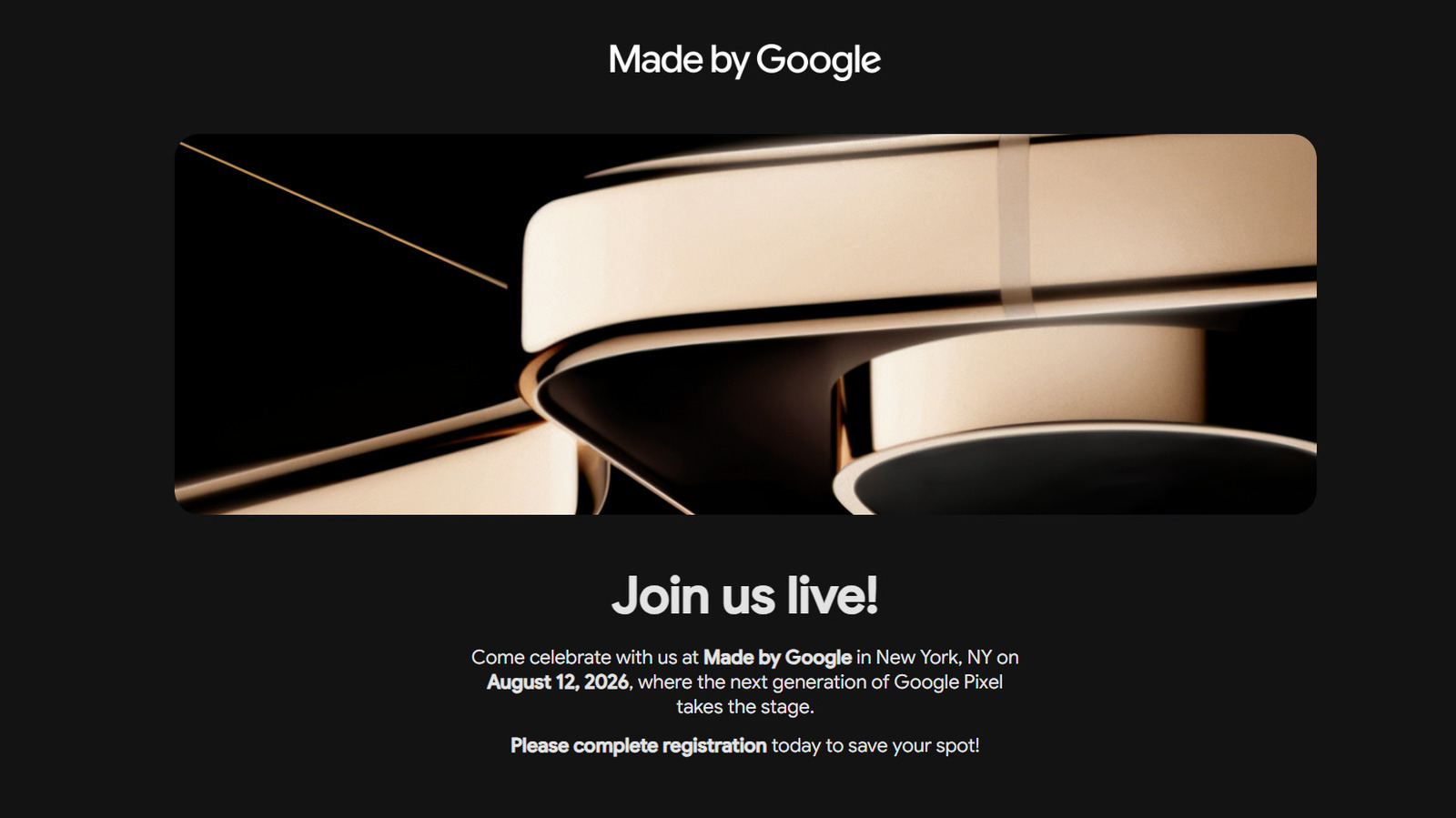
Google's next Pixel event is on August 12
Engadget

TechRadar
TechnologyJul 7, 2026 · 1 min
Asus ProArt PA32KCX review: Over $8K for a 32-inch 8K monitor and a whole lot of dimming zones
TechRadar