The Guardian
Italian village to impose fines of up to €200 on tourists with bare chests or in swimwear
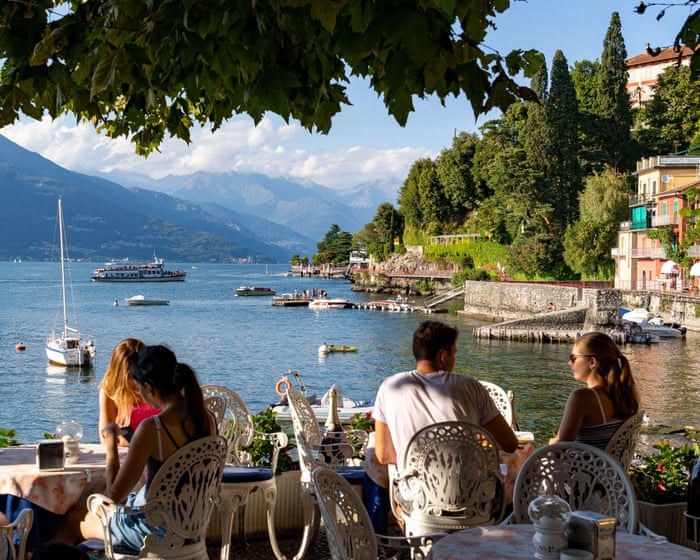
A fishing village by Lake Como has imposed fines of up to €200 (£170) for people who wander around with bare chests or in swimwear, in the latest attempt by an Italian holiday destination to crack down on uncouth tourists.
Varenna has been feeling the strain from an increasing number of visitors and so authorities were moved to introduce new rules aimed at preserving the village’s appearance and guaranteeing a smidgen of peace and quiet for its year-round population of roughly 650.
Walking around the village shirtless or in swimwear – garments that are strictly reserved for lakeside beaches or boat trips on Como – is now banned. Those who fail to comply risk fines of between €50 and €200.
Furthermore, tour groups have been limited to no more than 25 people and must not clog Varenna’s narrow cobblestoned streets, while guides have been banned from using loudspeakers.
“Varenna is a wonderful village, and we are proud to welcome hundreds of thousands of visitors from all over the world every year,” said Mauro Manzoni, Varenna’s mayor. “However, our residents’ quality of life cannot be sacrificed on the altar of mass tourism.”
The rules have been in place for a few days and appear to have been widely embraced by those who live in Varenna, especially the dress code.
“On the beach, you can do what you want, but when you’re walking around and go into shops, restaurants, churches, or in the square, you must dress decently,” a shop owner told Mediaset’s TGCom24.
Another shop owner said: “It was time; it’s a sound measure. The important thing is to ensure it’s enforced.”
Many towns and cities across Italy have imposed similar measures as they manage excessive tourism.
In 2022, the then mayor of Sorrento described walking around in swimming gear and bare-chested as “widespread indecorous behaviour” that was tainting the town’s image and so imposed hefty fines. In Liguria’s upmarket coastal town of Portofino, selfies were banned in 2023 and certain areas were designated as “no-waiting zones” to deter tourists from loitering for too long in one spot.
View original source — The Guardian ↗
Related stories

The Punch
WorldJul 7, 2026 · 1 min
ICPC, Borno banks to fight money laundering
The Punch
The Punch
WorldJul 7, 2026 · 1 min
Osun teenager shot dead, Accord, APC trade accusations over killing
The Punch
The Punch
WorldJul 7, 2026 · 1 min
Police identify crime hotspots, arrest 560 suspects in Abuja raids
The Punch

Rio Times
WorldJul 7, 2026 · 1 min
The Queen of the Skies Is Coming Back to Rio, Just for a Few Weeks
Rio Times