Indian Express
Three tankers attacked in Strait of Hormuz in a day as tensions with Iran escalate
4 min readJul 7, 2026 10:26 PM IST
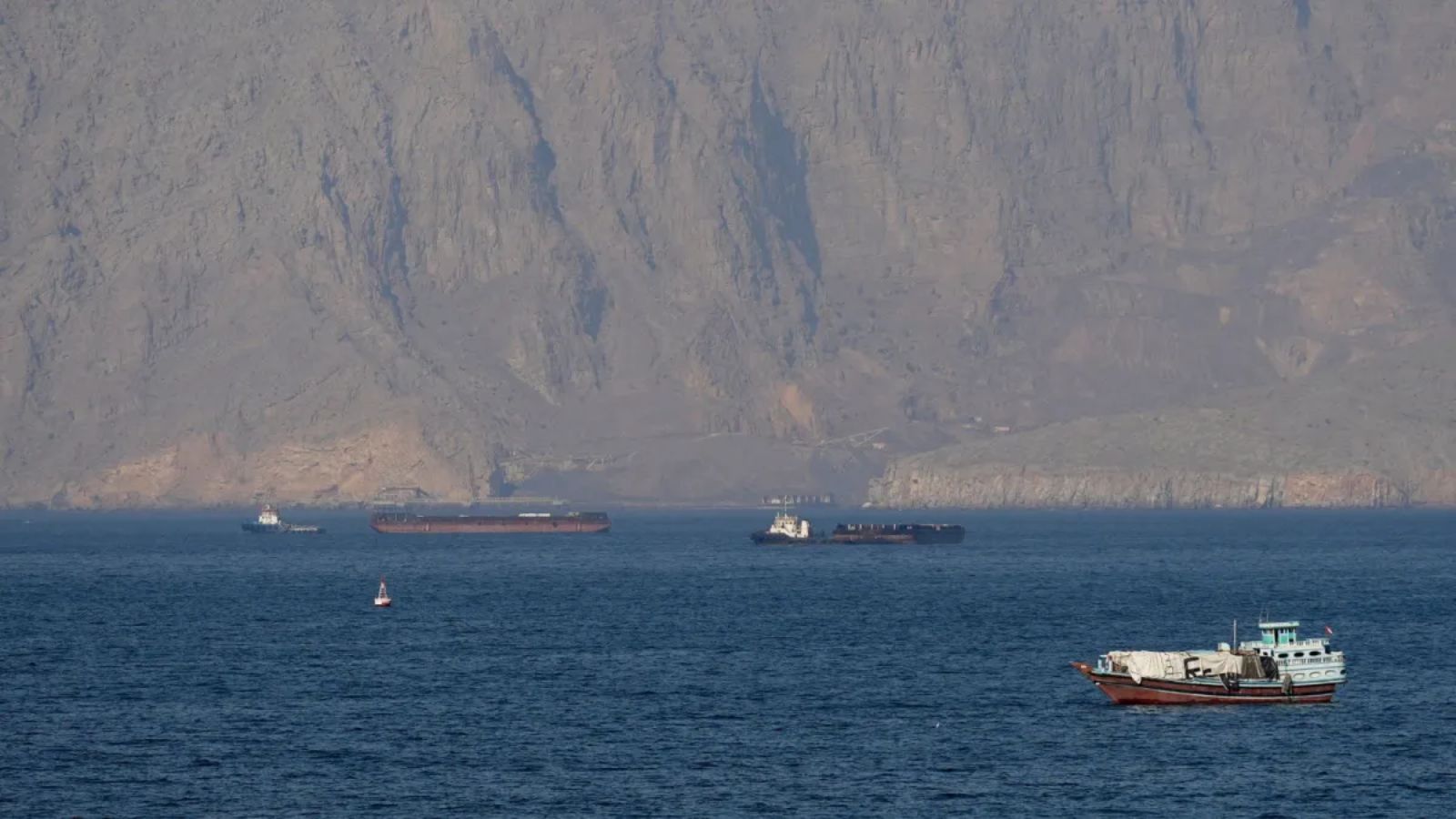
Around one-fifth of the world's traded crude oil and liquefied natural gas moves through the Strait of Hormuz, making any disruption a matter of global economic concern. (File photo)
Three commercial tankers came under attack in the Strait of Hormuz on Tuesday, marking a fresh escalation in security risks along one of the world’s busiest transit routes. British maritime authorities said the incidents involved projectiles and a drone, with one vessel catching fire while another suffered structural damage.
The United Kingdom Maritime Trade Operations (UKMTO) reported that two tankers were initially struck in separate incidents in and around the Strait of Hormuz. One of the vessels, sailing near the Omani coast, caught fire after being hit, while another sustained structural damage. No casualties were reported in either incident.
Later in the day, the UKMTO confirmed that a third commercial tanker had been struck by a drone while transiting the waterway. The agency said the vessel suffered only limited damage, its crew remained unharmed, and it was able to continue its journey.
According to Al Jazeera, citing the UKMTO, merchant vessels operating in the area have been advised to maintain heightened vigilance and immediately report any suspicious activity while navigating the strait.
The attacks come against the backdrop of friction over navigation through the Strait of Hormuz, a narrow but strategically vital shipping corridor linking the Persian Gulf with the Gulf of Oman. Around one-fifth of the world’s traded crude oil and liquefied natural gas moves through the passage, making any disruption a matter of global economic concern.
Iran-linked reports emerge after attack
According to the Associated Press (AP), Iranian state television, citing unnamed sources, suggested that Tehran had targeted a liquefied natural gas tanker identified as Al Rekayyat, alleging that the vessel had ignored Iranian warnings while transporting Qatari gas. However, Iranian authorities did not officially acknowledge responsibility for the strike.
AP further reported that Qatar condemned the incident, with Foreign Ministry spokesperson Majed Al-Ansari describing the attack as a serious violation of international law and an assault on global energy security. In a post on X, Al-Ansari said Qatar considers Iran legally responsible for the attack.
Story continues below this ad
Dispute over shipping routes
The incidents follow recent warnings from Iran’s military, which has insisted that commercial vessels transiting the Strait of Hormuz use routes authorised by Tehran. Iranian officials have also warned that any interference by US forces in the area would trigger a swift response.
However, the AP report said that the Joint Maritime Information Center (JMIC), a multinational body overseen by the US Navy, informed shipping companies on Monday that an expanded navigation route near Oman’s coastline remains open for international traffic.
Maritime analytics firm Kpler estimated that more than 100 ships crossed the Strait of Hormuz over the weekend using different navigation routes, underscoring the continued importance of the waterway despite growing security concerns.
Diplomatic uncertainty and why Hormuz is strategic
The attacks come at a time when negotiations between Iran and the United States remain uncertain.
Story continues below this ad
Speaking at the White House on Monday, US President Donald Trump said he still preferred a negotiated settlement with Iran but warned that Washington retained significant military options if diplomacy failed.
The Strait of Hormuz remains one of the world’s most sensitive maritime chokepoints, serving as the primary gateway for energy exports from major Gulf producers. Any disruption to shipping through the narrow passage has the potential to affect global oil and natural gas markets, making attacks on commercial vessels a matter of international concern.
© The Indian Express Pvt Ltd
The Express Global Desk at indianexpress.com which delivers authoritative, verified, and context-driven coverage of key international developments shaping global politics, policy, and migration trends. The desk focuses on stories with direct relevance for Indian and global audiences, combining breaking news with in-depth explainers and analysis.
A major focus area of the desk is US immigration and visa policy, including developments related to student visas, work permits, permanent residency pathways, executive actions, and court rulings. The Global Desk also closely tracks Canada’s immigration, visa, and study policies, covering changes to study permits, post-study work options, permanent residence programmes, and regulatory updates affecting migrants and international students.
All reporting from the Global Desk adheres to The Indian Express’ editorial standards, relying on official data, government notifications, court documents, and on-record sources. The desk prioritises clarity, accuracy, and accountability, ensuring readers can navigate complex global systems with confidence.
Core Team
The Express Global Desk is led by a team of experienced journalists and editors with deep expertise in international affairs and migration policy:
Aniruddha Dhar – Senior Assistant Editor with extensive experience in global affairs, international politics, and editorial leadership.
Nischai Vats – Deputy Copy Editor specialising in US politics, US visa and immigration policy, and policy-driven international coverage.
Mashkoora Khan – Sub-editor focusing on global developments, with a strong emphasis on Canada visa, immigration, and study-related policy coverage. ... Read More
Stay updated with the latest - Click here to follow us on Instagram
Tags:
Iran
Iran War
Strait of Hormuz
View original source — Indian Express ↗
Related stories

The Punch
WorldJul 7, 2026 · 1 min
ICPC, Borno banks to fight money laundering
The Punch
The Punch
WorldJul 7, 2026 · 1 min
Osun teenager shot dead, Accord, APC trade accusations over killing
The Punch
The Punch
WorldJul 7, 2026 · 1 min
Police identify crime hotspots, arrest 560 suspects in Abuja raids
The Punch
ABC News
WorldJul 7, 2026 · 1 min
How this school cracked the code to close the gap in early reading
ABC News