Philippine Daily Inquirer
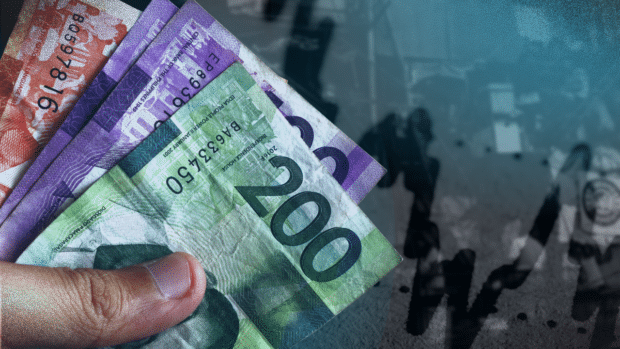
Inflation eased to 6.4% in June on cheaper oil
MANILA, Philippines – Philippine inflation slowed for the second straight month in June as the interim peace deal between the United States and Iran helped push global oil prices lower.
Data released by the Philippine Statistics Authority (PSA) on Tuesday showed that the consumer price index rose by 6.4 percent in June, slower than the 6.8 percent recorded in May.
READ: US, Iran agree to pause attacks, meet in Qatar – US media
Article continues after this advertisement
The latest reading brought the average inflation rate for the first half of the year to 4.8 percent, still above the central bank’s 3-percent target, indicating that price pressures remain elevated despite the recent slowdown.
FEATURED STORIES
BUSINESS
BUSINESS
BUSINESS
June’s inflation rate also fell within the Bangko Sentral ng Pilipinas’ (BSP) forecast range of 6 percent to 7 percent. It likewise came in below the 6.7-percent median estimate of the 12 economists surveyed by the Inquirer.
According to state statisticians, the deceleration was largely due to slower increases in transport costs, which posted an inflation rate of 12.8 percent in June, easing from 16.2 percent a month earlier.
The slowdown was driven by softer fuel prices as global oil markets continued to stabilize following the tentative ceasefire between the United States and Iran, which helped ease tensions in the Middle East and reopened the Strait of Hormuz.
Gasoline inflation slowed to 39.2 percent in June from 51.6 percent in May, while diesel inflation eased to 39.0 percent from 58.5 percent.
Article continues after this advertisement
This came as benchmark global crude oil prices retreated during the month, with most trading below the pre-war $100-per-barrel level.
Food inflation also eased in June, contributing to the slower headline inflation.
Article continues after this advertisement
Rice inflation, while still elevated, moderated to 15.6 percent from 15.9 percent previously as increased imports following the lifting of restrictions continued to improve domestic supply.
Still hawkish
Asked whether inflation could continue to slow in the coming months, National Statistician Claire Dennis Mapa said some commodities, particularly meat, were already showing signs of disinflation.
However, he noted that upside risks remain for several items, especially those related to transport.
In a statement, the BSP said its latest projections indicate that inflation will likely remain elevated in the near term.
READ: BSP: Inflation likely eased in June to 6-7%
“The BSP will continue to be guided by incoming data and is prepared to take further monetary action as needed to ensure that inflation returns close to the 3-percent target,” the central bank said.
The BSP last month raised its benchmark interest rate by 25 basis points (bps) to 4.75 percent, bringing cumulative increases in the current tightening cycle to 50 bps, as policymakers sought to contain inflationary pressures stemming from the conflict in the Middle East and the threat of a severe El Niño.
Your subscription could not be saved. Please try again.
Your subscription has been successful.
Higher borrowing costs are designed to curb spending by households and businesses, helping ease inflation but also slowing economic activity. BSP Governor Eli Remolona Jr. has said the Philippine economy remains resilient enough to absorb another modest interest rate increase. INQ
View original source — Philippine Daily Inquirer ↗
Related stories

The Punch
BusinessJul 7, 2026 · 1 min
Seek God’s help over abducted pupils, CAN urges FG, Oyo
The Punch

TASS
BusinessJul 7, 2026 · 1 min
Russian pipeline gas supplies to EU gain 5% in 1H — IEA
TASS

Bloomberg
BusinessJul 7, 2026 · 1 min
Trump's Been Successful in Talking Down The 'Oil Markets' Says Kloza
Bloomberg
Bloomberg
BusinessJul 7, 2026 · 1 min
Job Cuts Were Necessary: BitGo CEO
Bloomberg