The Next Web
Meta debuts Muse Image, its first AI image model built under Alexandr Wang’s lab
TL;DR
Meta launched Muse Image across Meta AI, Instagram, and WhatsApp. Users can generate images of friends from public posts. Advertisers get access soon. Opt-out available.
Meta launched Muse Image on Tuesday, its first image-generation AI model built under the Superintelligence Labs division led by Chief AI Officer Alexandr Wang. The model is rolling out inside the Meta AI chatbot and will be embedded across Instagram and WhatsApp. Users can generate images from text prompts or alter existing pictures.
The most notable feature lets users create images featuring friends or creators based on their publicly available Instagram posts. Those who do not want their content reused or remixed by AI can opt out in the settings menu. All images made with Muse Image will include an invisible watermark, and the system has safety precautions to prevent violations of Meta’s terms of service, including CSAM.
Advertisers will soon have access to the model for creating marketing materials. Meta’s Superintelligence Labs debuted its first large language model, Muse Spark, in April, and is also building a video generation model expected in the coming months. The image model is the second major product from the lab that Wang was hired to lead a year ago, after Meta invested billions and hired several researchers with compensation packages exceeding $200 million.
Meta plans to sell access to its AI models to outside developers via a cloud offering, allowing the company to monetise its data centre infrastructure and expensive AI chips. That cloud business is part of a broader effort Bloomberg reported last week, which could include selling raw computing power. Despite those plans, Meta is still hungry for more compute, recently signing deals with CoreWeave, Google, and Oracle. The company cut 8,000 jobs in May and redirected billions toward AI infrastructure as it races to compete with OpenAI and Anthropic across every AI modality.
Get the TNW newsletter
Get the most important tech news in your inbox each week.
View original source — The Next Web ↗
Related stories
Engadget
TechnologyJul 7, 2026 · 1 min
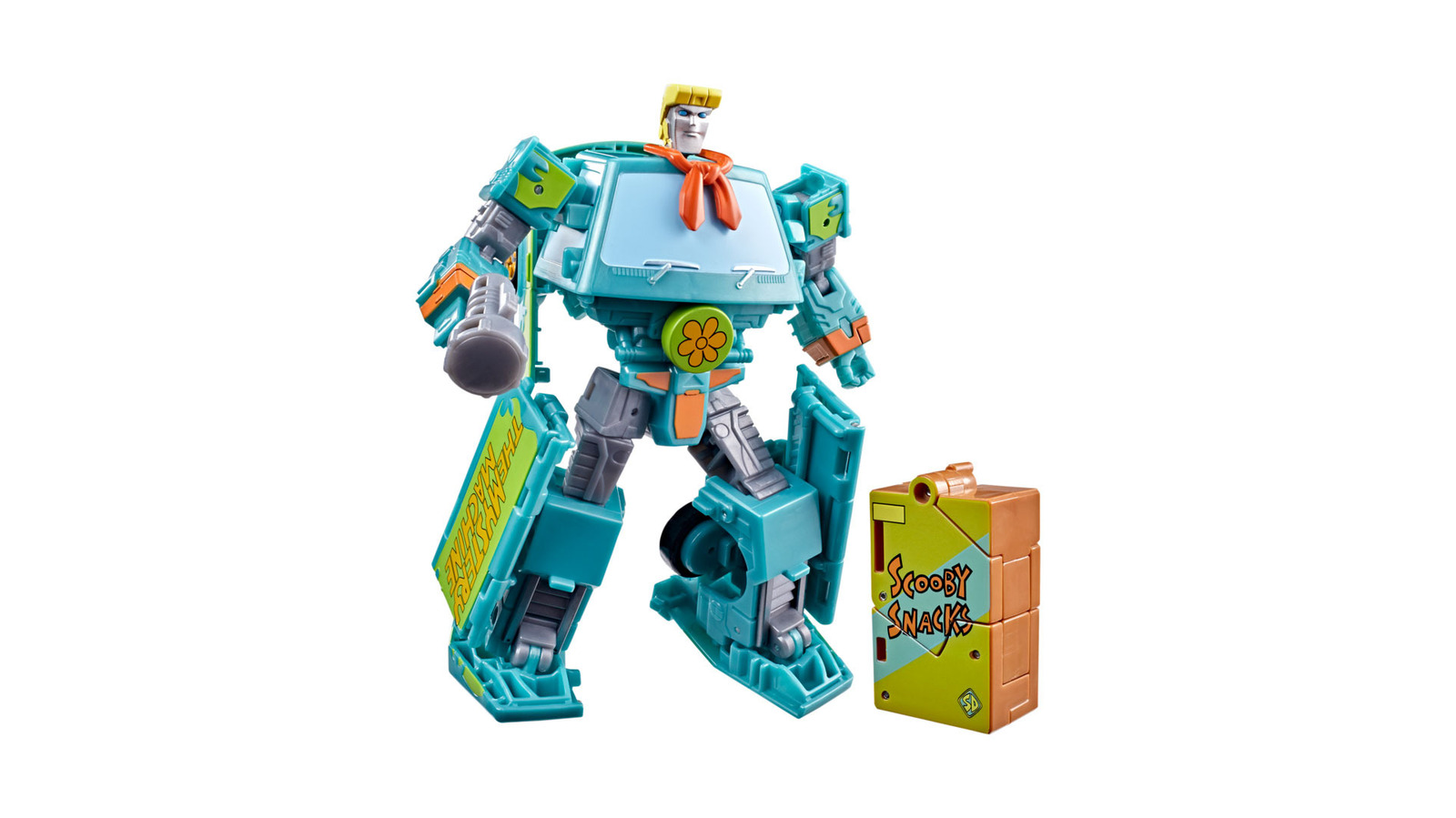
Hasbro and Scooby Doo team up for one of the goofiest Transformers yet
Engadget

TechCrunch
TechnologyJul 7, 2026 · 1 min
Discord admits AI moderation bug wrongfully banned users over harmless images
TechCrunch

Stuff
TechnologyJul 7, 2026 · 1 min
Prince Harry attacks judge in hacking case and accuses him of ‘whitewash’
Stuff

Indian Express
TechnologyJul 7, 2026 · 1 min
Maharashtra Council passes Bill to recognise women farmers, extend access to welfare schemes
Indian Express