The Next Web
Microsoft starts swapping OpenAI and Anthropic out for its own AI in some apps
TL;DR
Microsoft has begun swapping OpenAI and Anthropic models out for its own in-house MAI models in some app features where cost or data residency favours them, per Bloomberg. The shift is incremental, OpenAI and Anthropic still handle most Copilot traffic, but it marks Microsoft steadily reducing a dependence it spent years and billions building, enabled by the 2025 renegotiation that freed it to build competing models.
Microsoft has begun replacing OpenAI and Anthropic models with its own AI in some product features, Bloomberg reports. The shift routes selected tasks to Microsoft’s in-house MAI models where cost or data residency favours them.
The change is incremental rather than a clean break. OpenAI and Anthropic still handle most production traffic inside Copilot, with MAI slotting in where its economics stack up.
Microsoft unveiled seven MAI models at its Build conference, including its first reasoning model and image, voice, and transcription systems. It has been testing MAI-Transcribe-1 across Teams and Copilot, and rolling MAI-Image-2 into Bing and PowerPoint.
The 💜 of EU tech
The latest rumblings from the EU tech scene, a story from our wise ol' founder Boris, and some questionable AI art. It's free, every week, in your inbox. Sign up now!
The pitch is efficiency, as Microsoft can run these models on its own Azure infrastructure and skip paying third parties. It says one MAI model, tuned for consulting firm McKinsey, beat OpenAI’s GPT-5.5 on cost efficiency by a factor of ten.
None of this signals a full divorce. Microsoft launched the MAI line as a direct challenge to OpenAI while keeping its partners’ models available for the work they do best.
The leash comes off
For years, Microsoft’s original OpenAI contract barred it from independently pursuing frontier AI. That changed when the two firms renegotiated and ended Microsoft’s exclusivity, freeing it to build competing models while keeping a licence to OpenAI’s technology through 2032.
The deal cut both ways, letting OpenAI sell through rivals so that AWS could offer its models too. Microsoft’s answer has been a three-way hedge, holding a large OpenAI stake, embedding Anthropic’s Claude in Copilot, and now shipping its own MAI models.
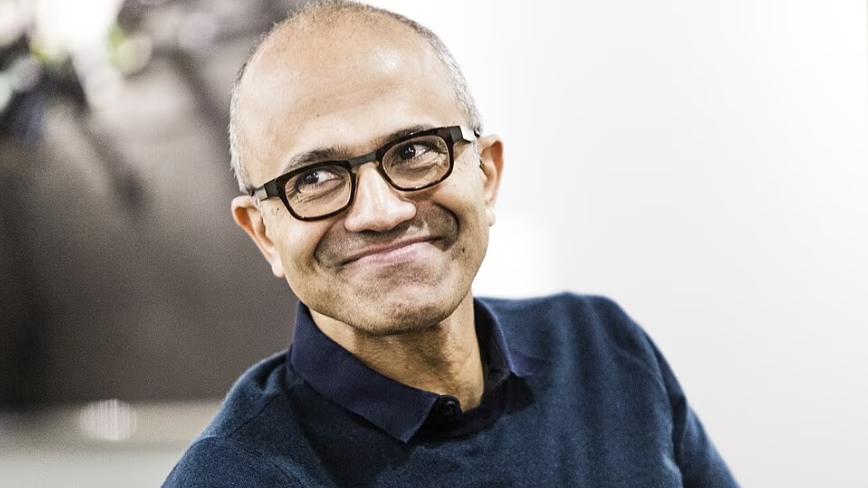
The strategic logic is one Satya Nadella has hinted at directly, having reportedly feared Microsoft becoming “the next IBM” if it leaned too hard on a single partner. Owning the model, not just renting it, is how it avoids that fate.
A distribution game, not a benchmark race
Microsoft does not need MAI to top every leaderboard, since its reach into hundreds of millions of Office and Teams seats does the heavy lifting. Shifting even a slice of that traffic to first-party models moves real money.
That reach comes with a nagging problem, as Microsoft is pushing deeper into AI with the paying-customer question still unresolved. Cheaper in-house models help the margins whether or not users pay up.
The bill for outside AI is not trivial, and every feature Microsoft brings in-house trims it. The partnership that once defined the company’s AI story is being quietly rebalanced, one swapped-in model at a time.
View original source — The Next Web ↗
Related stories

The Punch
TechnologyJul 7, 2026 · 1 min
British Columbia plans lawsuit against OpenAI over school shooter’s ChatGPT prompt
The Punch
Engadget
TechnologyJul 7, 2026 · 1 min
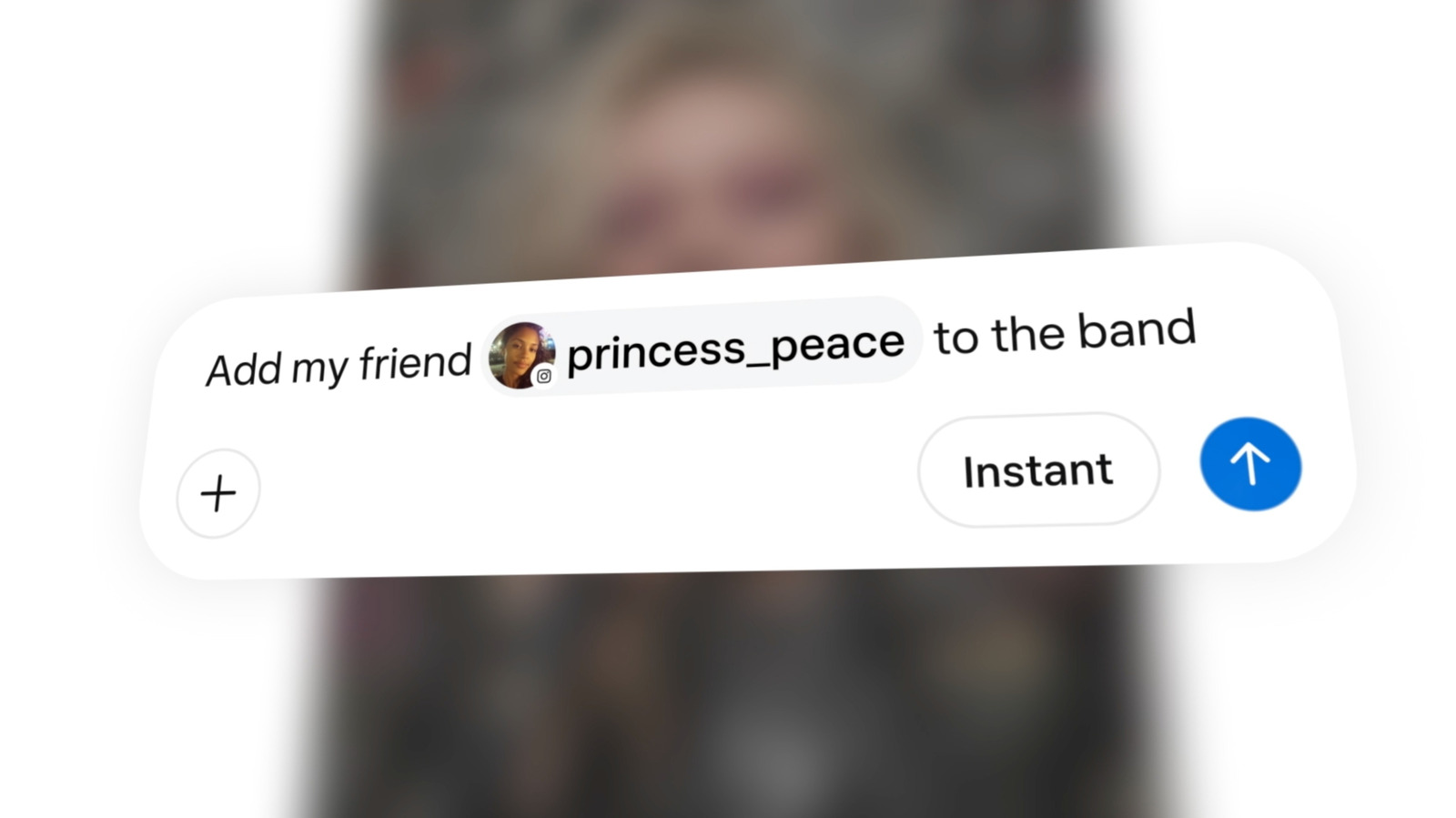
Meta's new Muse Image model accepts Instagram accounts as a prompt
Engadget

Times of Israel
TechnologyJul 7, 2026 · 1 min
Suspect in bombing that hurt sanctioned Jewish Ukrainian-born oligarch found dead
Times of Israel

The Guardian
TechnologyJul 7, 2026 · 1 min
Body of missing 18-year-old Nolan Wells found on Mississippi island
The Guardian