Indian Express
Afzal Pathan, the modernist painter from Madhya Pradesh whom India forgot
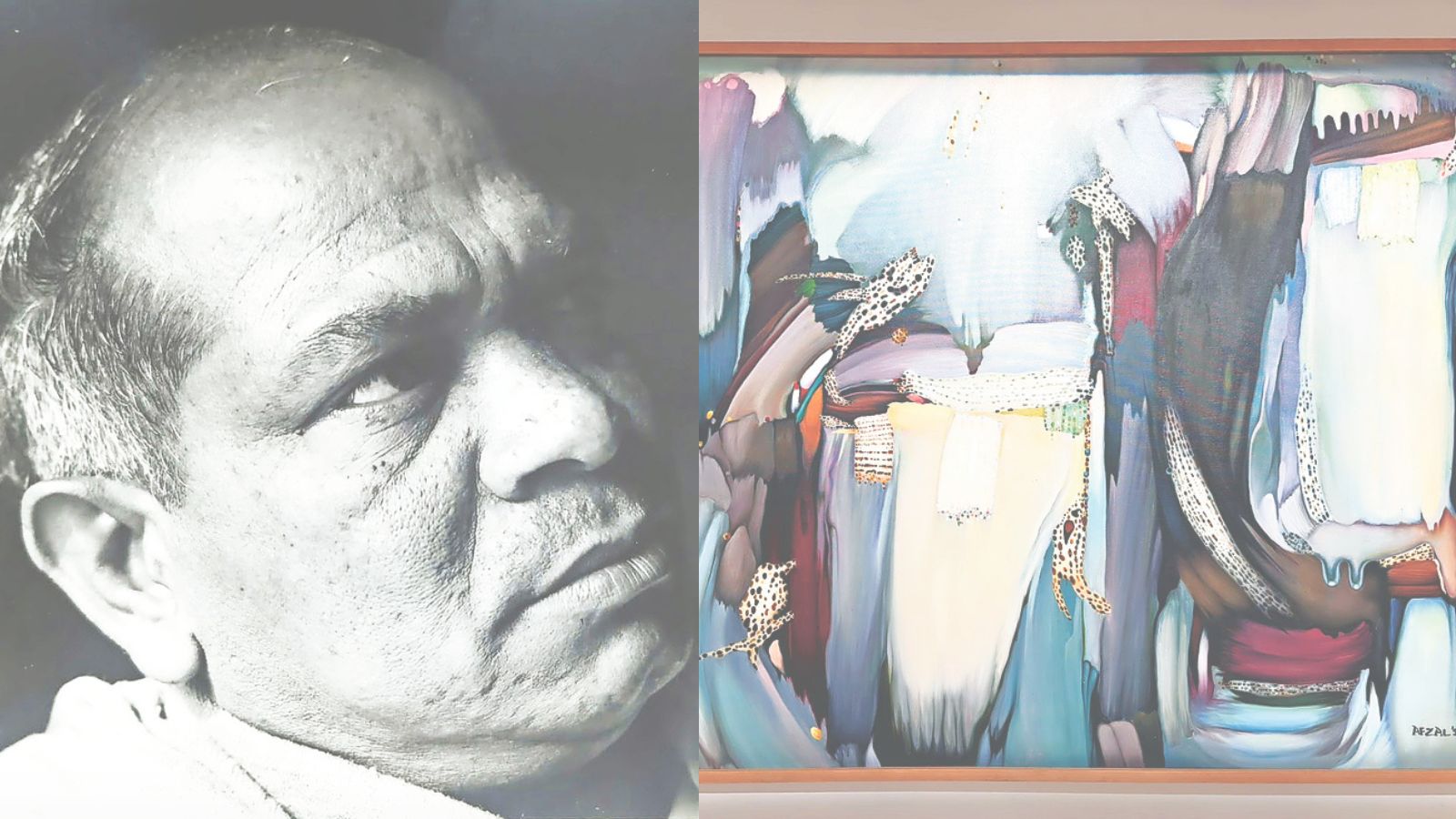
Not many know his works, and looking at them you might think he is a rising star in India’s dynamic contemporary art scene – the form is fluid, the palette sombre, the hand light, and the composition experimental.
The fact is Afzal Pathan was part of the same modernist art revolution that gave India and the world Husain, Raza, Sher-Gil, and Gaitonde. He was born in 1936, passed away in 2000, and has remained largely absent from the storied history of the art of modern India.
Afzal Pathan: Ek Behta Dariya, on at the Shridharani Gallery at the Triveni Kala Sangam complex until July 10, is only his seventh solo show, including those held in his lifetime and posthumously.
“When I was in Indore last year, I happened to see some of Pathan’s works at an exhibition. I was so impressed. But somehow he has not been part of the larger scene of Indian modern art. I thought that this was an artist who needed to be brought to notice and attention,” poet, literary critic, and editor Ashok Vajpeyi said.
Vajpeyi is Managing and Life Trustee of The Raza Foundation, an arts and culture non-profit established in 2001 by the modern Indian master S H Raza, which has organised the exhibition.
Pathan, who belonged to Dewas in Madhya Pradesh, completed his Masters in drawing and painting in Indore in 1968. “He almost anonymously started a new trend in Madhya Pradesh. At a time when neo-narrative art, figurative art, landscapes or portraits were the usual practice, he was making abstract art,” Vajpeyi said.
The exhibition features more than 40 of Pathan’s works. Artist Akhilesh, who has curated the show, said Pathan started making abstract works in the 1970s, and developed a unique technique of sweeping strokes with cloth or hand, which gave his art a continuity even when bound by a frame.
Story continues below this ad
“He only picked up the brush for the small details,” Akhilesh said.
Pathan was a prolific painter, and Akhilesh said his repertoire of more than 5,000 works now remain in the care of his family in Dewas. “He wasn’t like other artists who would spend hours or days on a single work. He would finish a painting in half an hour,” said Akhilesh who, like Pathan, went to the Indore School of Art.
The works at the exhibition, all untitled and belonging to the last decade of Pathan’s life, carry a restraint that suggests a deeply thoughtful and reflective mind. They are replete with rural quotidian forms – a bird, a home, windows, a moth.
“His works are mature, well-designed, well-painted, and structurally very strong – and yet, they invite you to see as many meanings in them as you like,” Vajpeyi said.
Story continues below this ad
In his early portraits and landscapes, Pathan often used impasto, a technique favoured by the French expressionists, in which paint is applied thickly enough to make brushstrokes or palette knife marks clearly visible. The catalogue essay by art critic Soumitra Das, one of the few pieces of documented literature on Pathan, notes that artists Ram Kumar and J Swaminathan had praised his work at one of his early exhibitions in Madhya Pradesh.
Why then did Pathan fail to rise to the heights of popularity that many of his peers from the Malwa plateau region, including Husain, Raza, and N S Bendre, did? It was in part because Pathan’s circumstances forced anonymity on him, Akhilesh said – but probably also because he made no effort to become famous.
“He was born into a humble household, and for a large part of his working life he took care of his three siblings on his meagre salary of an art teacher. He was so bogged down by responsibilities that he did not have much time to think about exhibitions – or perhaps he did not have money to spare to travel for shows or even get his works framed,” Akhilesh said.
“But”, he added, “Pathan was also never really chasing fame or money. Art for him was a moment of relief after a long day.”
Story continues below this ad
Both the government and the people have a responsibility to not allow art and artists to fade away, Vajpeyi said. “Part of the problem arises from the collapse of the state-supported infrastructure for the arts. Ultimately it is society which should care for its artists,” he said.
View original source — Indian Express ↗
Related stories

The Punch
WorldJul 7, 2026 · 1 min
Court jails 16 for illegal waste disposal in Lagos
The Punch
The Punch
WorldJul 7, 2026 · 1 min
I study Osimhen’s every move, dream of playing together, says 21-year-old Iheanacho
The Punch
The Punch
WorldJul 7, 2026 · 1 min
Guinness World Records confirms Saheed Osupa, Malaika, others’ Afrobeats orchestra record
The Punch
Indian Express
WorldJul 7, 2026 · 1 min
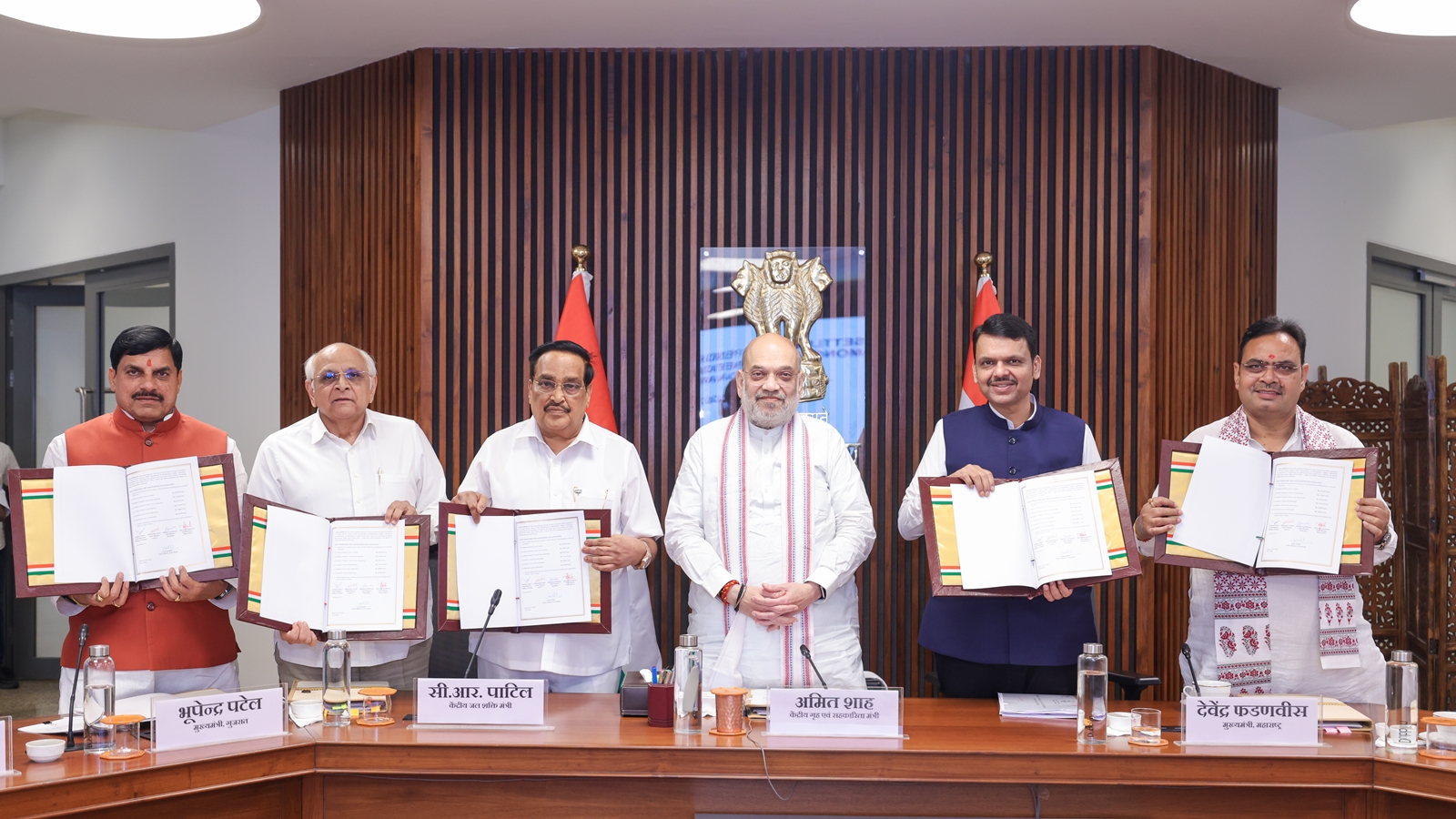
Four beneficiary states sign pact on Narmada outstanding dues
Indian Express