Times of Israel
YouTube defends video falsely claiming Bondi Beach massacre survivor is ‘crisis actor’
Google exec tells government panel looking into the terror attack that decision to allow clip calling Arsen Ostrovsky an ‘intel asset’ to remain online was made at ‘quite senior levels’
MELBOURNE, Australia — A Google executive told an inquiry on Tuesday that a YouTube video that falsely claimed a wounded survivor of an antisemitic massacre in Sydney was a crisis actor blooded with makeup had met the platform’s standards and would remain online.
Google Australia manager Rachel Lord was testifying at a government inquiry into the spread of antisemitism in Australia including an attack by two terrorists on a Sydney Hanukkah celebration in December that left 15 dead.
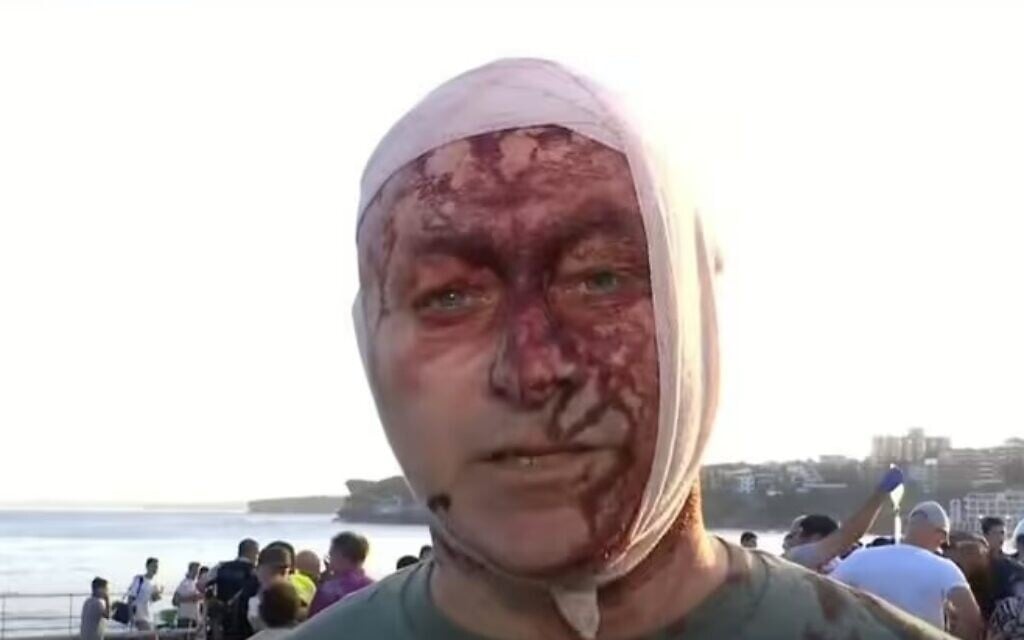
Lord was questioned about a complaint made by survivor Arsen Ostrovsky about a video posted on YouTube. Ostrovsky was attacked online after an image showing blood streaming from a wound in his head was posted on X two hours after he was shot.
Lord said the decision to allow the video to remain on YouTube had been reviewed at “quite senior levels.”
“We have spent a lot of time thinking about where we draw the line and we continue to re-evaluate where we are doing that,” Lord said.
Get The Times of Israel's Daily Edition
by email and never miss our top stories
By signing up, you agree to the terms
Richard Lancaster, the lawyer leading the inquiry’s evidence, referred to a transcript of the video to avoid showing the images in public.
Four men appear on split screen saying Ostrovsky’s bleeding head appeared “very crisis actor-ish” and mentioned “makeup.” They also describe him as an “intelligence asset” who had a “degree in theater.”
The video also describes Ostrovsky as a Zionist and claims the massacre was a “false flag operation.” Police allege father and son shooters Sajid and Naveed Akram were inspired by the Islamic State jihadist group.
Lancaster told Lord the video remaining online demonstrated a “really serious deficiency” in YouTube’s hate speech guidelines.
Lord replied that she appreciated Lancaster’s “feedback.”
YouTube told Australia’s online safety regulator three days after the massacre that the platform was “focused on ensuring Australians and all users around the world have access to high quality information about the tragic events,” Lord said.
Ostrovsky told the inquiry last month that he had been targeted by online hate, abuse, vilification and AI manipulation since he suffered the minor head wound on December 14.
The inquiry was then shown an AI-generated image of Ostrovsky apparently laughing as someone applied fake blood to his head.
If you’d like to comment, join
The Times of Israel Community.
View original source — Times of Israel ↗
Related stories

AllAfrica
TechnologyJul 8, 2026 · 1 min
Malawi: Grief As Tamara Comes Home - Night Vigil Wednesday, Burial Friday
AllAfrica

Dawn
TechnologyJul 8, 2026 · 1 min
OpenAI to unveil GPT-5.6 tomorrow after delaying launch
Dawn

AllAfrica
TechnologyJul 8, 2026 · 1 min
Nigeria: Senate Condemns Rehabilitation of Repentant Boko Haram Terrorists, to Meet Tinubu Over Worsening Insecurity
AllAfrica

AllAfrica
TechnologyJul 8, 2026 · 1 min
Uganda: High Court Orders Inquest Into 2018 Killing of Bobi Wine's Driver Yasin Kawuma
AllAfrica