Indian Express
Consumer consent not required for installation of smart meters: Gujarat Electricity Ombudsman
4 min readVadodaraUpdated: Jul 8, 2026 11:31 AM IST
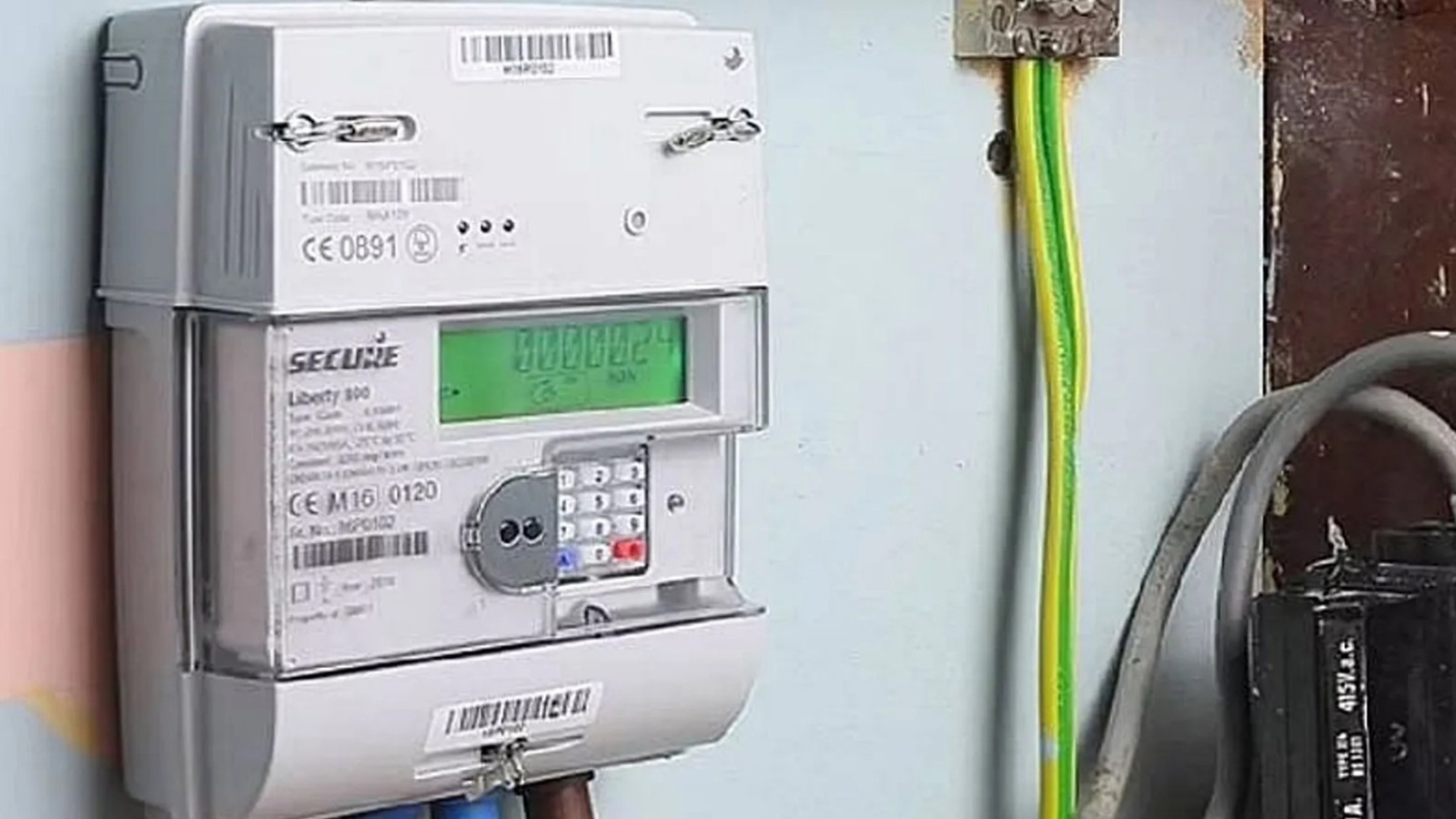
Electricity Ombudsman R G Devdhara found no fault in either the meter replacement or the disconnection process. (File Photo)
CAN A power utility replace your electricity meter without your permission? As smart meters replace old meters in several parts of Gujarat, a Vadodara businessman’s challenge has settled the question.
The Gujarat Electricity Ombudsman has upheld Madhya Gujarat Vij Company Limited’s (MGVCL) decision to replace the consumer’s existing meter and subsequently disconnect supply over unpaid dues of Rs 235.
M D Patel, who runs a commercial establishment in Pratapnagar, challenged a May 12, 2026 order of the Consumer Grievances Redressal Forum (CGRF), Baroda City Circle, which rejected his objections to the installation of a smart meter and the subsequent disconnection of his power supply.
According to Patel’s representation, MGVCL “unilaterally, without prior specific written notice, safety warnings, or the explicit consent of the Appellant” replaced his working meter with a smart meter on December 18, 2025. He claimed this triggered a “system-side server mismatch” that broke his bank auto-debit mandate – even though his other electricity connections on the same mandate continued functioning without a single default.
When his electricity supply was disconnected on March 27 this year, Patel argued, the MGVCL had failed to issue the mandatory 15-day individual notice required under Section 56(1) of the Electricity Act. Patel pointed out that a routine bill footer “cannot legally take the place of” a statutory notice. He also alleged that MGVCL’s silence on his RTI queries about the legal basis for mandatory smart meters amounted to an admission that no such mandate existed, and sought Rs 25,000 in compensation along with restoration of his old meter.
The MGVCL, however, argued that the smart meter installation formed part of a larger rollout undertaken under the Central Electricity Authority’s 2019 Metering Regulations and the Gujarat Electricity Regulatory Commission Supply Code, both of which empower distribution companies to upgrade metering infrastructure without obtaining individual consumer consent.
The utility rejected Patel’s contention that the meter replacement had interfered with his payment mandate, arguing that auto-debit instructions are linked to the consumer number rather than the meter number itself.
Story continues below this ad
According to MGVCL, no payment had been received against the connection since December 2025 and the disconnection was carried out during a routine drive against defaulting consumers in March 2026. It also maintained that the statutory requirement of notice had been satisfied through warnings incorporated in the billing cycle in line with a 2021 advisory issued by the Ministry of Power.
Electricity Ombudsman R G Devdhara found no fault in either the meter replacement or the disconnection process. “The material placed on record establishes that the Smart Meter was installed by the Respondent in compliance with the aforesaid provisions,” the Ombudsman observed while rejecting the challenge to the installation on June 29.
The order also dismissed the auto-debit claim, noting that “except the appellant’s contention, no technical evidence has been produced to establish any nexus between installation of the Smart Meter and failure of the banking auto-debit facility.”
On the issue of disconnection notices – which were the core of Patel’s case, the Ombudsman held that the argument that a separate individual notice was mandatory before disconnecting supply was “not acceptable”, observing that the applicable supply code permits disconnection warnings to be incorporated within regular electricity bills.
Story continues below this ad
The order concluded that the smart meter installation was carried out in accordance with the prevailing statutory and regulatory framework. The order held that “…the installation of the smart meter by the respondent was in accordance with the prevailing statutory and regulatory framework, the allegation regarding failure of the auto-debit facility due to installation of the smart meter has not been established and the disconnection of electricity supply was carried out in accordance with the provisions of the GERC Electricity Supply Code, 2015 and its Amendments. Accordingly, no error apparent on record or legal infirmity is found in the Order (of the) Consumer Grievances Redressal Forum, Madhya Gujarat Vij Company Limited, Baroda City (Circle).”
Accordingly, the Ombudsman upheld the CGRF’s order and dismissed Patel’s appeal.
However, the order directed MGVCL to restore electricity supply through the smart meter already installed at the premises once the consumer clears outstanding dues, reconnection charges and other applicable charges.
The utility was also directed to monitor the functioning of the smart meter during subsequent billing cycles to ensure accurate recording of consumption and billing, and to facilitate third-party testing of the meter in the event the consumer seeks an independent verification in future. No costs were awarded.
Aditi Raja is an Assistant Editor with The Indian Express, stationed in Vadodara, Gujarat, with over 20 years in the field. She has been reporting from the region of Central Gujarat and Narmada district for this newspaper since 2013, which establishes her as a highly Authoritative and Trustworthy source on regional politics, administration, and critical socio-economic and environmental issues.
Expertise:
Core Authority & Specialization: Her reporting is characterized by a comprehensive grasp of the complex factors shaping Central Gujarat, which comprises a vast tribal population, including:
Politics and Administration: In-depth analysis of dynamics within factions of political parties and how it affects the affairs in the region, visits of national leaders making prominent statements, and government policy decisions impacting the population on ground.
Crucial Regional Projects: She consistently reports on the socio-economic and political impact of infrastructure projects in the region, especially the Statue of Unity, the Sardar Sarovar Project on the Narmada River, the Mumbai-Ahmedabad High Speed Rail bullet train project as well as the National Highway infrastructure.
Social Justice and Human Rights: Her reporting offers deep coverage of sensitive human-interest topics, including gender, crime, and tribal issues. Her reports cover legal proceedings from various district courts as well as the Gujarat High Court (e.g., the Bilkis Bano case remission, POCSO court orders, Public Interest Litigations), the plight of tribal communities, and broader social conflicts (e.g., Kheda flogging case).
Local Impact & Disaster Reporting: Excels in documenting the immediate impact of events on communities, such as the political and civic fallout of the Vadodara floods, the subsequent public anger, and the long-delayed river redevelopment projects, Harni Boat Tragedy, Air India crash, bringing out a blend of stories from the investigations as well as human emotions.
Special Interest Beat: She tracks incidents concerning Non-Resident Gujaratis (NRIs) including crime and legal battles abroad, issues of illegal immigration and deportations, as well as social events connecting the local Gujarati experience to the global diaspora. ... Read More
Stay updated with the latest - Click here to follow us on Instagram
Tags:
Gujarat
View original source — Indian Express ↗
Related stories

The Punch
WorldJul 8, 2026 · 1 min
Kwara community celebrates return of abducted worshippers
The Punch
The Punch
WorldJul 8, 2026 · 1 min
Engineering programmes to admit students by approved quotas – COREN
The Punch

Rio Times
WorldJul 8, 2026 · 1 min
Mali’s Battle for Anefis Tests Russia’s Grip on the Sahel
Rio Times

Antara News
WorldJul 8, 2026 · 1 min
Indonesia charges three over illegal rare earth exports
Antara News