
The Next Web
A Telstra outage stopped Australian trains and froze taxi payments
For a few hours on Wednesday morning, chunks of Australia’s daily infrastructure simply stopped answering. A nationwide outage at Telstra, the country’s largest carrier, cut phone service for thousands of customers, froze tap-to-pay terminals and brought regional trains to a halt.
The disruption began at about 4.30am and spread through systems that most people never think about until they fail. It was the kind of failure that turns an ordinary commute into a problem, in the same way a Meta outage can quietly reorganise a morning for millions.
Victoria’s regional rail operator, V/Line, suspended services across all of its lines because it could not maintain the communications it needs to run trains safely. Some rural services in New South Wales were disrupted too, leaving passengers stranded or diverted onto replacement transport.
The payments failures hit at street level. As card and mobile terminals dropped offline, taxi drivers lost fares and some passengers found themselves unable to pay for rides they had already taken.
Telstra is not a marginal player whose stumble goes unnoticed. It is Australia’s dominant carrier, serving millions of customers and underpinning networks that many rival services and payment providers quietly run on top of.
That reach is what turned a technical fault into a national one. When the country’s largest network trips, the failure does not stay inside Telstra’s own customer base but ripples out to anyone whose systems depend on it.
Telstra moved fairly quickly to rule out foul play. Acting chief executive Michael Ackland said there was no evidence of a cyberattack or malicious interference, pointing instead to a technical fault inside the network.
The cause, as Telstra described it, was mundane and telling at once. Ackland said several nodes in the network had a timing problem, with the time synchronisation between them failing to work as it should.
Networking equipment at Telstra’s data centres in Sydney and Melbourne appears to have been at the centre of the fault. When the clocks that keep a network’s traffic in step drift apart, the systems that depend on them can stop trusting each other and shut down.
That a timing glitch could stop trains and freeze payments is a reminder of how much sits on top of a single carrier’s plumbing. The same lesson has landed in other countries when core services wobbled, from a Claude outage to the day Google’s services went dark.
For Telstra, the timing is awkward. The company has spent years trying to reassure customers and regulators about the resilience of its network after previous high-profile failures.
It also lands as Australia’s politicians take a harder look at the digital systems the public leans on, from telecoms reliability to the contested rules around children and social media. Each incident feeds the argument that critical services need tougher standards for staying up.
Regulators are likely to want answers too. Australia’s communications watchdog has pushed carriers to harden their networks and improve how they warn the public after earlier failures, and a fault that stops trains will not pass quietly.
By later in the day Telstra said services were being restored, though it gave no full account of how many customers were affected or for exactly how long. The company said it would investigate what let a synchronisation fault cascade so far.
The company has been here before. Telstra has weathered several high-profile outages over the past decade, each one followed by pledges to invest in resilience that Wednesday’s failure will inevitably test again.
For the commuters who spent the morning waiting on suspended platforms, the explanation will matter less than the outcome. The trains stopped, the terminals went blank, and a routine Wednesday briefly ran on nothing.
View original source — The Next Web ↗
Related stories

TechSathi
TechnologyJul 8, 2026 · 1 min
Nothing Phone (4b) Price in Nepal: Specifications, Features & Availability
TechSathi
Indian Express
TechnologyJul 8, 2026 · 1 min
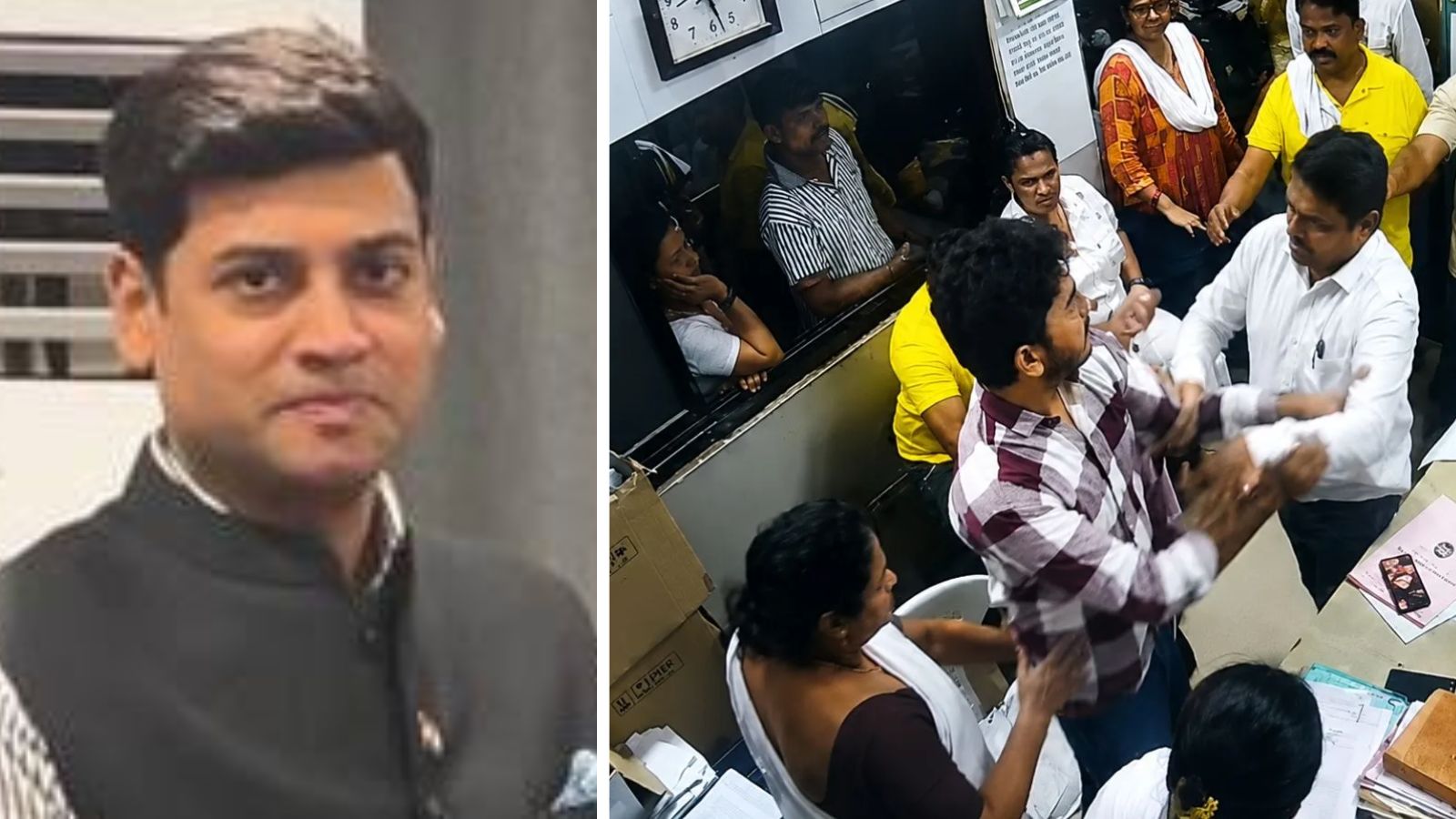
“I regret altercation, but didn’t hit woman doctor”: Shiv Sena corporator on Thane hospital assault
Indian Express
Indian Express
TechnologyJul 8, 2026 · 1 min
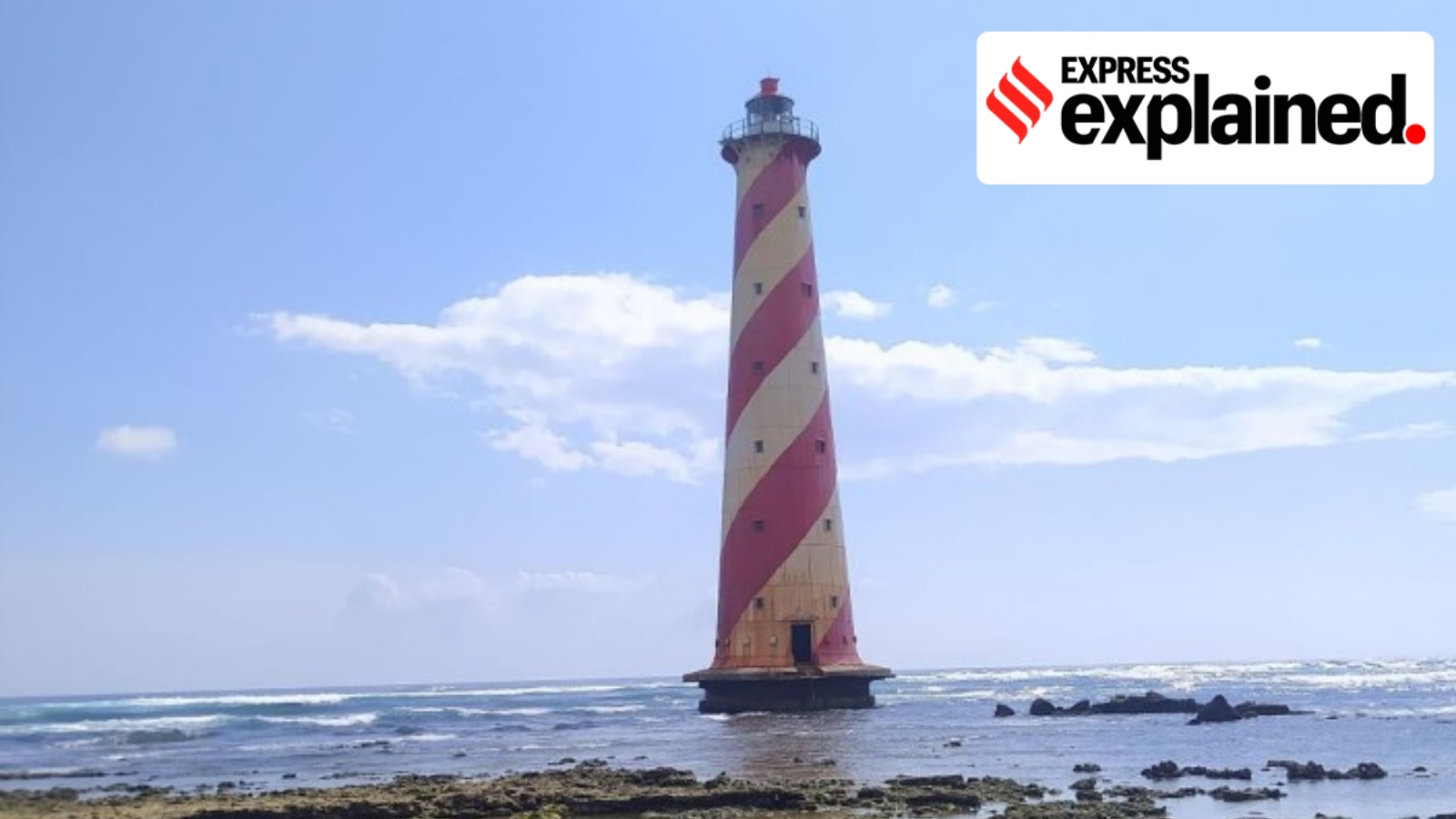
Indira Point: Why Centre wants to protect landmark lighthouse and develop tourism hub
Indian Express

Wired
TechnologyJul 8, 2026 · 1 min
9 Best Portable Power Stations (2026), Tested for Capacity and Size
Wired