
Hacker Noon
Myopic Loss Aversion: The Trader’s Silent Killer
Count how many times you checked your P&L yesterday. If you’re like most crypto traders I talk to, the honest answer is somewhere between ten and fifty. Each check felt free. None of them were. Here’s the math nobody runs. In equities, the market closes green on roughly 55% of days — barely better than a coin flip. Stretch the window to a year and it’s positive about 75% of the time. Same market, same returns. The only thing that changed is how often you looked. Now add what Kahneman and Tversky proved about how we process those looks: a loss hurts about twice as much as an equal gain feels good. Check hourly and you’ll see red almost half the time, and every red hits with double weight. You can hold a winning position through a winning year and still spend most of it in low-grade psychological pain. Benartzi and Thaler gave this a name back in 1995: myopic loss aversion. Their finding was blunt. Investors who evaluate their portfolios frequently see more losses, feel more pain, and end up taking less risk than their own strategy calls for. They don’t decide to abandon the plan. The accumulated flinches decide for them. Crypto makes this strictly worse. There’s no closing bell. Your P&L updates at 3am on a Sunday, and the app is right there on your phone. A stock trader gets sixteen forced hours of not looking every day. You get zero. The tax isn’t the time. It’s what you do next. Most traders think the cost of checking is attention — a productivity problem. That’s the small tax. The big one is that monitoring changes behavior. I’ve watched this happen with my own strategies. The BTC system I run wins 21.9% of its trades. That’s by design — it’s a trend-following system, and trend following pays for many small losses with a few huge wins. On paper, over 6 years, that shape of returns compounded to +4,909%. But think about what a 21.9% win rate looks like hour by hour. It looks broken. Most days it IS losing, slightly, on purpose. If I checked that P&L fifty times a day, I’d have overridden it years ago — cut the position “just this once,” skipped an entry after three losers in a row. Every override feels like risk management in the moment. In aggregate it’s just paying the tax. The common mistake is treating this as a discipline problem you can willpower through. You can’t. Loss aversion isn’t a habit; it’s wiring. Putting a fresh loss in front of your eyes every hour and expecting to feel nothing is like standing in a bakery all day and expecting not to get hungry. The traders who stay rational aren’t tougher. They’ve just arranged not to see the noise. So here’s the one change worth making: separate reviewing your strategy from watching your money. Review the strategy on a schedule — weekly, monthly — with a fixed question: is it behaving within its tested parameters? Drawdown inside historical range, trade frequency normal? That’s a real check. It has a purpose and an answer. The hourly glance has neither. It can’t tell you anything actionable about a system that trades a handful of times per month. It only generates feelings, and feelings compound into overrides. In my experience the hardest part is the first two weeks. After that, not looking feels like what it is — relief. This, honestly, is most of the case for automation. Not that a bot predicts markets better than you, but that a bot doesn’t feel drawdowns at 3am.
View original source — Hacker Noon ↗
Related stories
Indian Express
TechnologyJul 8, 2026 · 1 min
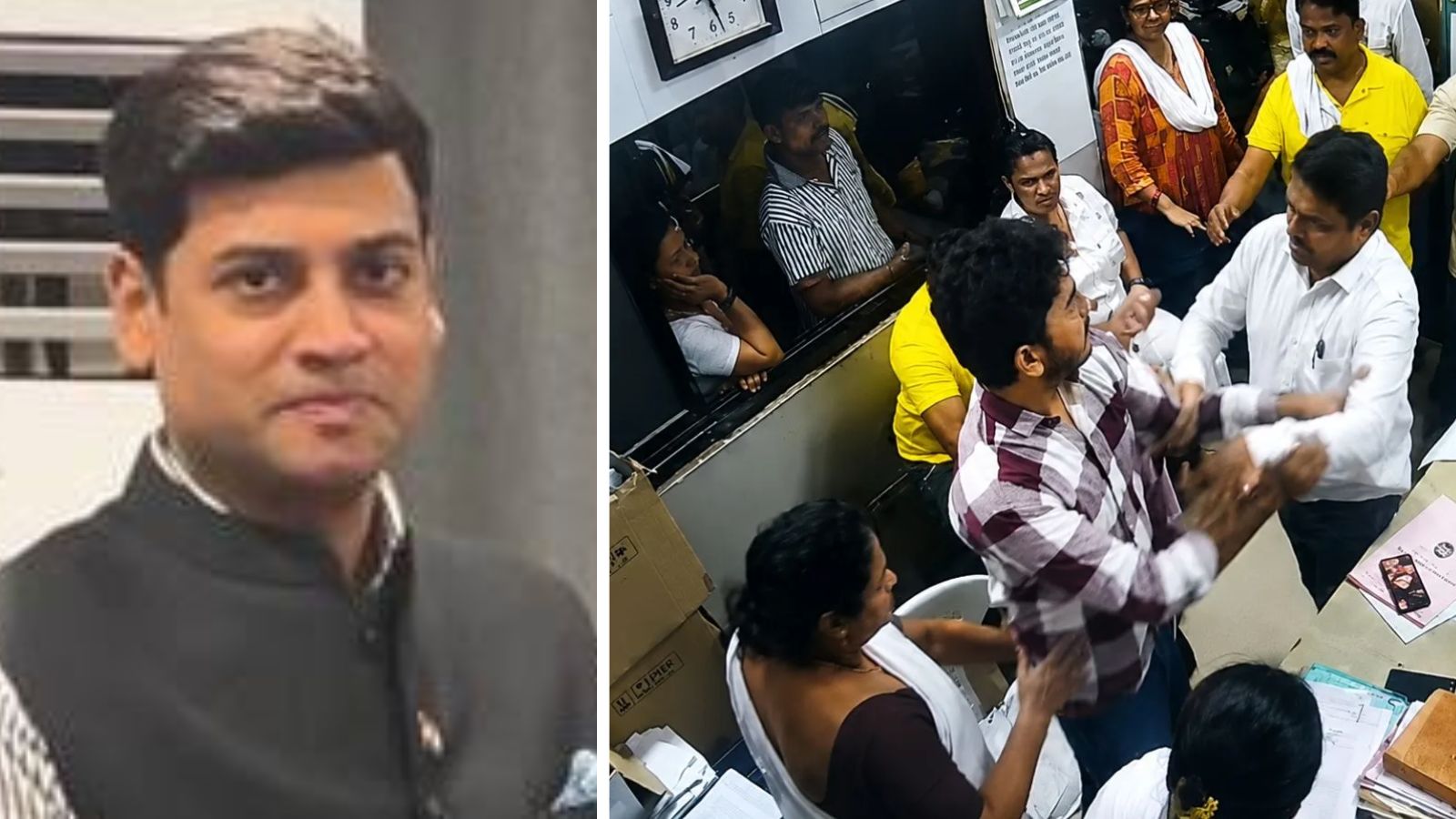
“I regret altercation, but didn’t hit woman doctor”: Shiv Sena corporator on Thane hospital assault
Indian Express

Indian Express
TechnologyJul 8, 2026 · 1 min
Indira Point: Why Centre wants to protect landmark lighthouse and develop tourism hub
Indian Express

Wired
TechnologyJul 8, 2026 · 1 min
9 Best Portable Power Stations (2026), Tested for Capacity and Size
Wired

Daily Trust
TechnologyJul 8, 2026 · 1 min
Oil prices soar as Trump says deal with Iran is over
Daily Trust