Indian Express
Key witness in Jaswant Khalra’s murder, who had turned hostile, alive
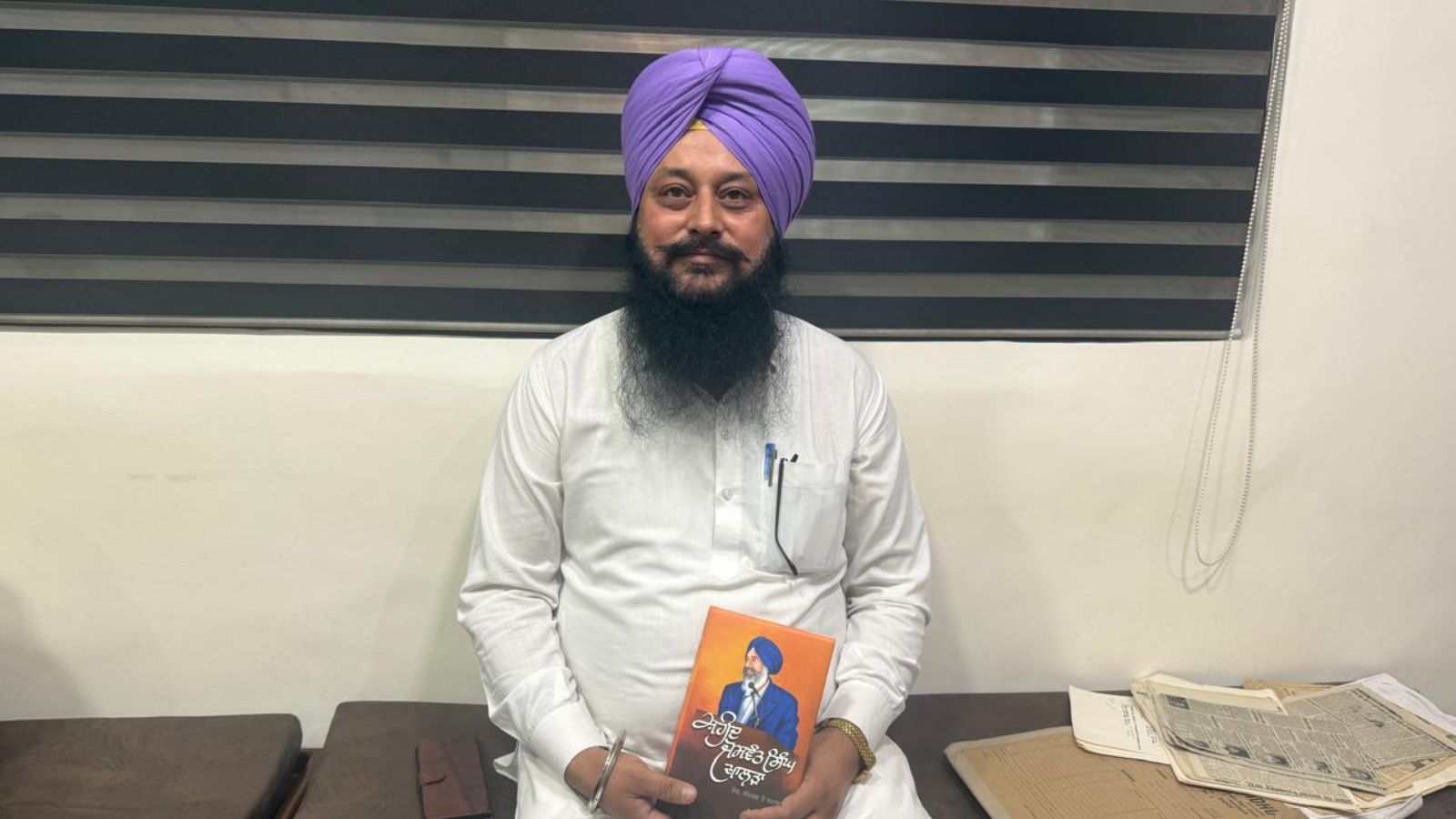
“I fed him roti with my hands in the lock-up of Kang police station. He was so heavily bruised after police torture that his hands could not reach his mouth. I had initially recorded my statement about seeing Jaswant Singh Khalra in police custody but later turned hostile as my family’s life was in danger. My brother was picked up by the Punjab Police and implicated in false cases,” claims Kikkar Singh, 53, a key witness in the police-orchestrated 1995 abduction and murder of Jaswant Singh Khalra.
Contrary to the belief that Kikkar Singh’s “whereabouts were unknown” and that he might have “died”, he currently lives in Ludhiana. A native of Jaura village in Tarn Taran district, Kikkar Singh was also detained at Kang police station in Tarn Taran on October 24, 1995, the day Khalra was also illegally detained there for a brief period.
After over 40 days of alleged torture in police custody, Khalra, who was abducted from Amritsar on September 6, 1995, was shot dead at Jhabal police station on October 27, 1995, and his body was thrown into the Sutlej river.
Kikkar Singh had initially told the CBI that he saw Khalra in police custody on October 24, 1995, witnessed signs of torture on his body, and helped him eat. Kikkar Singh’s detention by the police was independently corroborated by a judicial inquiry. However, he later turned hostile, claiming that the police were “harassing and pressuring him and his family.”
Speaking to The Indian Express on Wednesday, when Khalra’s biopic Satluj, starring Diljit Dosanjh, has been banned by the Government of India and taken off the OTT platform, Kikkar Singh said he had no choice but to turn hostile as he feared for his life and that of his family.
Kikkar Singh said: “I was picked up by the Tarn Taran Police in a land dispute case on September 4, 1995. I was first taken to Jhabal police station, where a man was brought in a police van two days later, on September 6. At that time, I only caught a glimpse of Khalra’s face but I did not know his name. I was kept at Jhabal police station with another inmate, Kulwant Singh, who was held in an opium recovery case. But Khalra was soon taken away from Jhabal and I had no idea about his identity till then.”
Kikkar Singh said he was again picked up by the Tarn Taran Police on October 14, and it was then that he met Khalra in the police lock-up at Kang police station on October 24, 1995, three days before Khalra was allegedly murdered by policemen after over a month of illegal detention and torture.
Story continues below this ad
“On October 24, 1995, a man was brought to my lock-up and when I asked him his name, he said he was Jaswant Singh from Khalra village and a current resident of Kabir Park, Amritsar. He was so badly injured and bruised that his hands could not reach his mouth. I fed him roti with my own hands. He had one-and-a-half rotis and couldn’t eat more. His condition was extremely bad. I asked him why he was in police custody and he said: Jalladan de vas paye hain, jo marzi kar lain (We have landed in the hands of torturers, they can do whatever they want).”
“Khalra was taken away from Kang police station the same day, and I was kept there for three more days. A wireless message had come for the local DSP that Khalra should be shifted out of Kang police station. Khalra’s condition was so bad that he could not walk. He was made to sit in the police gypsy with the support of two people, including a police gunman. He was weak, with injuries and dried blood all over his face,” said Kikkar Singh.
In the film, it has been shown that a co-prisoner, fictionally named Kehar Singh, who was detained in the police station along with Khalra, was murdered.
“I was never contacted by the filmmakers. I am very much alive,” says Kikkar Singh.
Story continues below this ad
“I turned hostile as I was being harassed and pressured by the police. I was booked in at least six cases, including attempt to murder. My family was being harassed. My brother was picked up by the police. Initially, I had recorded my statement as a key witness before a judicial magistrate in Chandigarh, but I later turned hostile as my family was being threatened. One FIR is still pending against me. Four armed men even tried to abduct me outside the Amritsar courts on July 18, 1996, when the probe was ongoing,” claims Kikkar Singh, who was also given police protection on court orders.
In multiple letters and affidavits in 1996, Kikkar Singh stated that the police were pressuring him to turn hostile by implicating his father, Harbans Singh, and relatives in false cases, and by conducting raids on his house led by the accused policemen in Khalra’s murder case, including DSP Jaspal Singh (later convicted).
“I have no idea why it is being perceived that I have gone into hiding or died,” says Kikkar Singh.
Known as “laawaris laashan da waaris” (protector of unclaimed bodies), Khalra, 42, had vehemently fought against the alleged fake encounters of Sikh youths by the Punjab Police during the militancy period. His independent investigation into records of slain youths in cremation grounds rattled the Punjab Police. The bodies were allegedly cremated by the police in secrecy as “unclaimed”. Picked up from his home in Amritsar on September 6, 1995, Khalra was tortured to death in police custody.
Story continues below this ad
The case was probed by the CBI on the orders of the Supreme Court. In 2011, the Supreme Court, upholding the orders of the lower courts, upheld life imprisonment for five accused policemen: Prithipal Singh (head constable), Satnam Singh (SHO/sub-inspector), Surinder Pal Singh (sub-inspector), Jasbir Singh (sub-inspector) and Jaspal Singh (DSP). Then Tarn Taran SSP Ajit Singh Sandhu was also named as the prime accused by the CBI in its 1996 chargesheet, but he allegedly died by suicide before charges could be framed.
View original source — Indian Express ↗
Related stories

The Punch
WorldJul 8, 2026 · 1 min
N1.3bn fraud: Ex-Port Harcourt refinery MD gets N150m bail
The Punch
The Punch
WorldJul 8, 2026 · 1 min
Peter Obi moved by El-Rufai’s wife’s plea to Tinubu
The Punch
The Punch
WorldJul 8, 2026 · 1 min
VIDEO: Woman gives birth while shopping for baby items in Ibadan market
The Punch
The Punch
WorldJul 8, 2026 · 1 min
Oyebanji urges FCC to deepen institutional renewal, promote national unity
The Punch