South China Morning Post
What the Iran war has revealed about Brics+
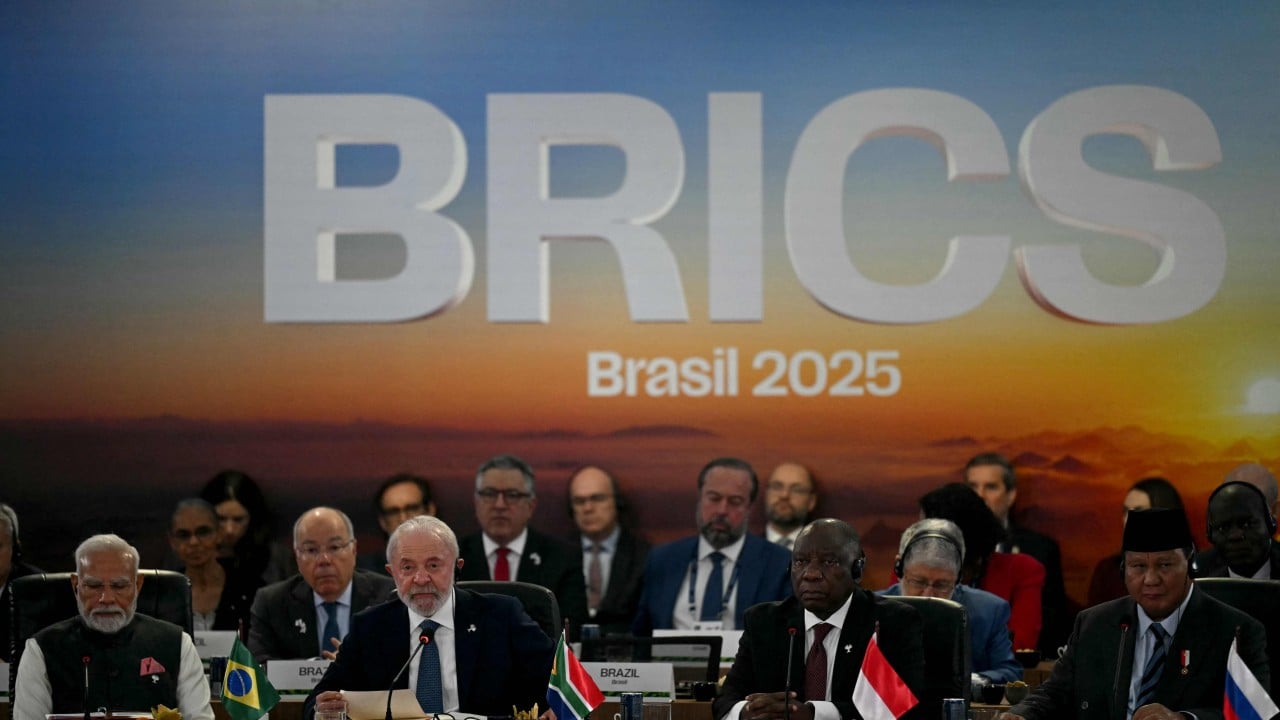
The US-Israeli military campaign against Iran was more than another Middle Eastern conflict. It became a defining stress test for the expanded Brics (Brics+), the grouping that is frequently portrayed as the flagship political platform of the Global South and a cornerstone of an emerging multipolar order.
The war showed that the grouping – which has grown beyond its founding members Brazil, Russia, India, China and South Africa – is neither a military alliance nor an ideological bloc. Rather, it is a flexible coalition of states whose shared dissatisfaction with Western dominance coexists with profoundly different national interests.
The conflict exposed these contradictions clearly. Iran was a target of the war, while another bloc member, the United Arab Emirates, experienced Iranian strikes on its territory. Rather than fostering solidarity, the crisis reaffirmed a familiar lesson of international politics: when sovereignty and national interests are at stake, states ultimately prioritise self-help.
This has prompted criticism that Brics+ failed its first major geopolitical test. Such criticism misunderstands the organisation’s purpose. Before asking why Brics+ failed, it is worth asking a more fundamental question: what was Brics+ designed to do?
Part of the misunderstanding stems from the analytical frameworks through which Western institutions have traditionally interpreted the international order. For much of the post-Cold War period, geopolitical influence was associated with highly institutionalised alliances characterised by common threat perceptions, formal commitments and collective responses.
Brics+ emerged in a different historical context. Its appeal derives from its ability to accommodate diversity, allowing members to cooperate selectively while preserving room for independent manoeuvre. Judging such a platform through alliance-centric assumptions risks obscuring the very logic that underpins its attractiveness.
View original source — South China Morning Post ↗
Related stories
South China Morning Post
PoliticsJul 8, 2026 · 1 min
US says China gave only hours’ warning before Pacific submarine missile launch
South China Morning Post

Straits Times
PoliticsJul 8, 2026 · 1 min
Trump wants to leave the Iran war behind. That won't happen soon
Straits Times

The Hill
PoliticsJul 8, 2026 · 1 min
Lawmakers demand answers after fatal ICE shooting in Texas
The Hill
Times of Israel
PoliticsJul 8, 2026 · 1 min
US launches second night of strikes against Iran as Israel said bracing for war to restart
Times of Israel