Indian Express
Why do Ozempic and Mounjaro work for some people but not others?
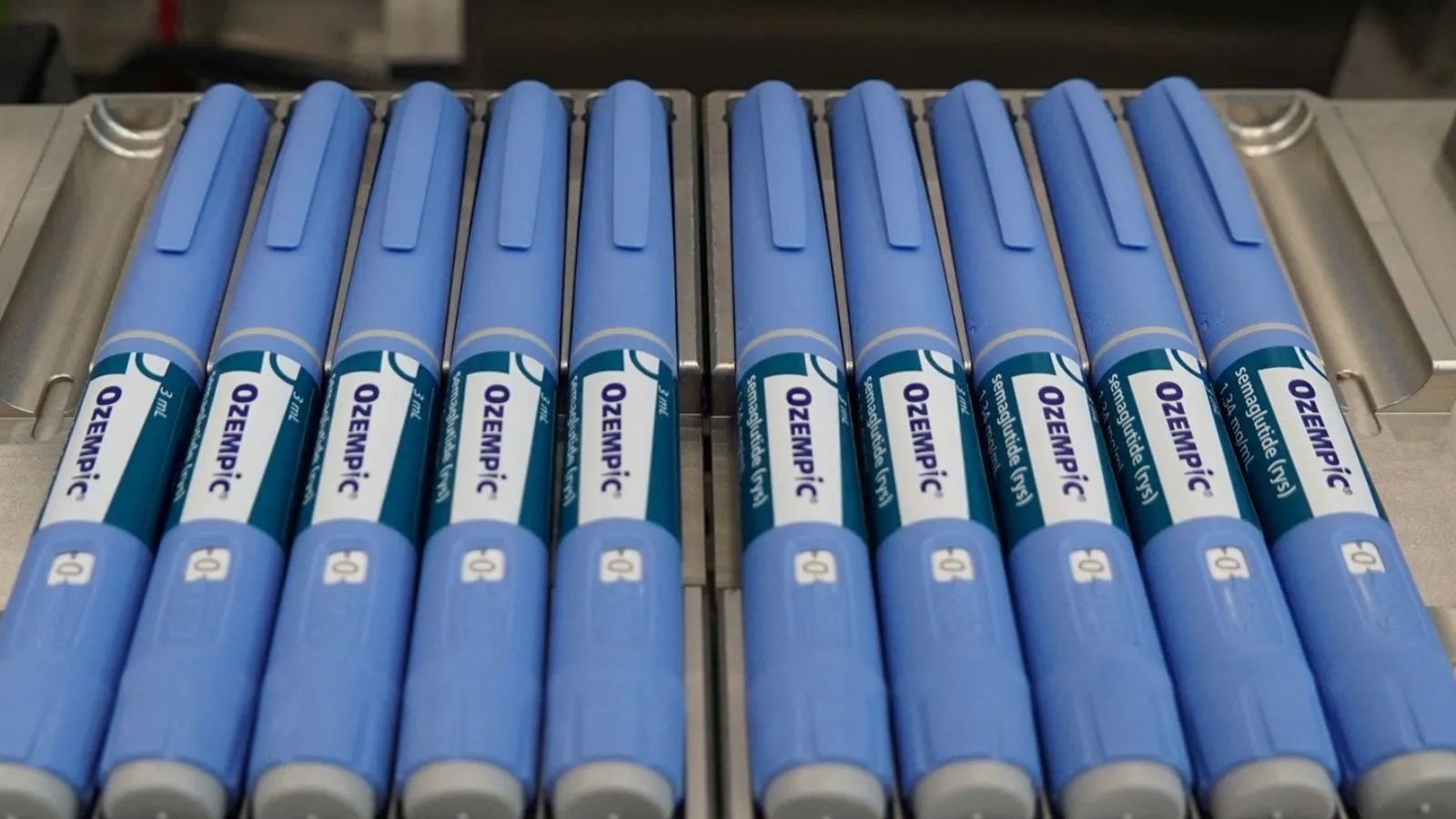
The remarkable success of medications such as Ozempic (semaglutide) and Mounjaro (tirzepatide) has transformed the treatment of Type 2 diabetes and obesity. Stories of people losing 15–20 kg and achieving excellent blood sugar control have generated enormous excitement. At the same time, many patients are disappointed when they do not experience similar results, leading to an important question: if these medicines are so effective, why don’t they work equally well for everyone?
The answer is simple but often misunderstood. These medications are highly effective, but they are not miracle drugs. Like every treatment in medicine, they produce varying results because every individual is biologically different.
In clinical practice, patient responses generally fall into four broad patterns. Approximately 60% of individuals experience excellent improvement in both weight and blood sugar control. Around 15% lose substantial weight but see less improvement in diabetes than expected. Another 15% achieve excellent glycaemic control while losing relatively little weight. The remaining 10% show only a modest response in both areas. Therefore, a person’s outcome should never be judged by comparing it with someone else’s experience.
How Ozempic and Mounjaro actually work
Both Ozempic and Mounjaro work by mimicking naturally occurring gut hormones that regulate metabolism. Ozempic acts through the glucagon-like peptide-1 (GLP-1) pathway, while Mounjaro activates both the GLP-1 and glucose-dependent insulinotropic polypeptide (GIP) pathways, giving it two complementary mechanisms of action.
These hormones stimulate insulin release when blood glucose levels rise, suppress glucagon secretion (this hormone tells the liver to release stored glucose), reduce glucose production by the liver, improve glucose uptake by muscles, slow gastric emptying, and most importantly, reduce appetite, helping people consume fewer calories. Rather than simply lowering blood sugar, these medicines address several of the underlying metabolic disturbances responsible for Type 2 diabetes and obesity.
Why the same injection produces different results
Despite these multiple mechanisms, the response varies considerably between individuals because human biology itself varies.
One of the most important reasons is genetics. Research has shown that certain genetic variations may reduce responsiveness to GLP-1-based therapies. Variants in genes such as PAM, along with differences in GLP-1 and GIP receptors, are being actively investigated. A useful analogy is to think of the medicine as a key and the receptor as a lock. If the lock has a slightly different structure because of genetic variation, the key may not fit as effectively, resulting in a weaker response. Some individuals may also have what researchers describe as GLP-1 resistance, in which the body’s tissues respond less effectively to the hormone despite its presence.
Story continues below this ad
However, genetics represents only one part of a much larger picture. The duration of diabetes, the remaining insulin-producing capacity of the pancreas, the amount of visceral fat, sleep quality, stress levels, physical activity, dietary habits, medication adherence and appropriate dose escalation all influence treatment outcomes. Two people taking exactly the same medication at the same dose may achieve very different results because their metabolic profiles are entirely different.
When the medicine doesn’t seem to be working
When patients fail to achieve their desired blood sugar targets or weight loss, discontinuing treatment is rarely the appropriate first step. Instead, clinicians reassess the entire treatment plan. They confirm the diagnosis, evaluate whether the medication has been taken regularly, ensure that the dose has been increased appropriately, determine whether sufficient time has been allowed for the medicine to exert its full effect, and review adherence to dietary and exercise recommendations. Only after carefully considering these factors can an informed decision be made regarding changes in therapy.
For patients who continue to show an inadequate response, treatment is individualised. In some cases, gradually increasing the dose improves outcomes. In others, combining GLP-1 receptor agonists with medications such as metformin, sodium-glucose cotransporter-2 (SGLT2) inhibitors, or other glucose-lowering agents produces significantly better results because each medication targets different physiological pathways.
Modern diabetes management is no longer centred on a single drug but on selecting the most appropriate combination for each individual. Current recommendations from the American Diabetes Association emphasise tailoring therapy not only according to HbA1c levels but also considering obesity, cardiovascular disease, kidney disease and each patient’s overall health profile.
Story continues below this ad
Lifestyle still makes the biggest difference
Another important misconception is that the injections alone are responsible for dramatic weight loss. In the major clinical trials of tirzepatide, participants did not simply receive medication. They also followed structured calorie-restricted diets and increased their physical activity throughout the study. The impressive average weight reduction of up to 22.5% over 72 weeks with the highest dose was achieved through the combined effects of medication and sustained lifestyle modification rather than medication alone.
Lifestyle measures therefore remain the foundation of successful treatment. A balanced calorie-controlled diet rich in protein and fibre, regular walking combined with resistance exercise to preserve muscle mass, adequate sleep of seven to eight hours each night, effective stress management and regular follow-up with healthcare professionals matter in the long run.
(Dr Mohan is Chairman, Dr Mohan’s Diabetes Speciality Centre, Chennai)
View original source — Indian Express ↗
Related stories

Daily Trust
HealthJul 9, 2026 · 1 min
7 killed, 3 students, others abducted in Sokoto, Bauchi, Nasarawa
Daily Trust

Daily Trust
HealthJul 9, 2026 · 1 min
The ghost that walked among us
Daily Trust

Philippine Daily Inquirer
HealthJul 9, 2026 · 1 min
NBA: Jalen Brunson expected back this summer after wrist surgery
Philippine Daily Inquirer

Stuff
HealthJul 9, 2026 · 1 min
Ex-Lotto presenter did Health NZ promo while suspended on full pay from another agency after FBI sting
Stuff