
Bangkok Post
Planned tourism fee hits another snag
Asking airlines to collect fee is impractical, say carriers, who favour collection via TDAC system
The government’s plan to collect a tourism fee of at least 300 baht through airlines is not feasible because of limitations in airlines’ back-office systems, with the Thailand Digital Arrival Card (TDAC) a better option, say aviation bodies.
The Ministry of Tourism and Sports Ministry last month asked airlines to act as an intermediary platform to collect the fee on behalf of the government.
As the National Tourism Policy Act, which governs the levy, does not cover Thais, collecting the fee from them would be unlawful. The ministry proposed that airlines charge a standard fee to all passengers and subsequently reimburse Thais, with the ministry covering the associated administrative costs.
Sheldon Hee, regional vice-president for Asia-Pacific at the International Air Transport Association (IATA), said collecting a tourism tax through airlines would create additional complications.
Typically, passengers are not required to provide their nationality, passport details or residential address to airlines during the booking process. Airlines only need a passenger’s name and destination, said Mr Hee.
Collecting a tourism fee could also compromise operational efficiency at airports. For instance, he asked what happens if an airline discovers a passenger subject to the tourism tax has not made the payment? It would be difficult for airlines to manage such payments at airports as this is not typically where payments are processed, said Mr Hee.
A better option would be to collect the fee through TDAC, the digital immigration system that foreign visitors are mandated to complete with before entering Thailand, he said.
The Airlines Association of Thailand (AAT) and aviation stakeholders agreed with this conclusion at a recent meeting with tourism ministry officials.
The AAT said Thai airlines operate with different back-office systems. With more than 100 foreign airlines flying to Thailand, embedding the fee with airfares would further complicate implementation.
Aviation executives said TDAC is a better choice as it is administered by the Immigration Bureau and reports directly to the government, unlike airlines, which are largely independent of the state, noted the association.
The tourism tax was first proposed in 2020 but has never been implemented because of frequent changes in government and technical problems. The majority of the revenue from tourism fees would be allocated to tourist insurance, with the remainder used to maintain tourist attractions and improve infrastructure.
The final amount of the fee will depend in large part on the projected costs of accident insurance and treatment at private hospitals.
Unpaid medical bills by foreign visitors cost Thai hospitals around 2.5 billion baht per year, studies have found.
View original source — Bangkok Post ↗
Related stories
Indian Express
WorldJul 9, 2026 · 1 min
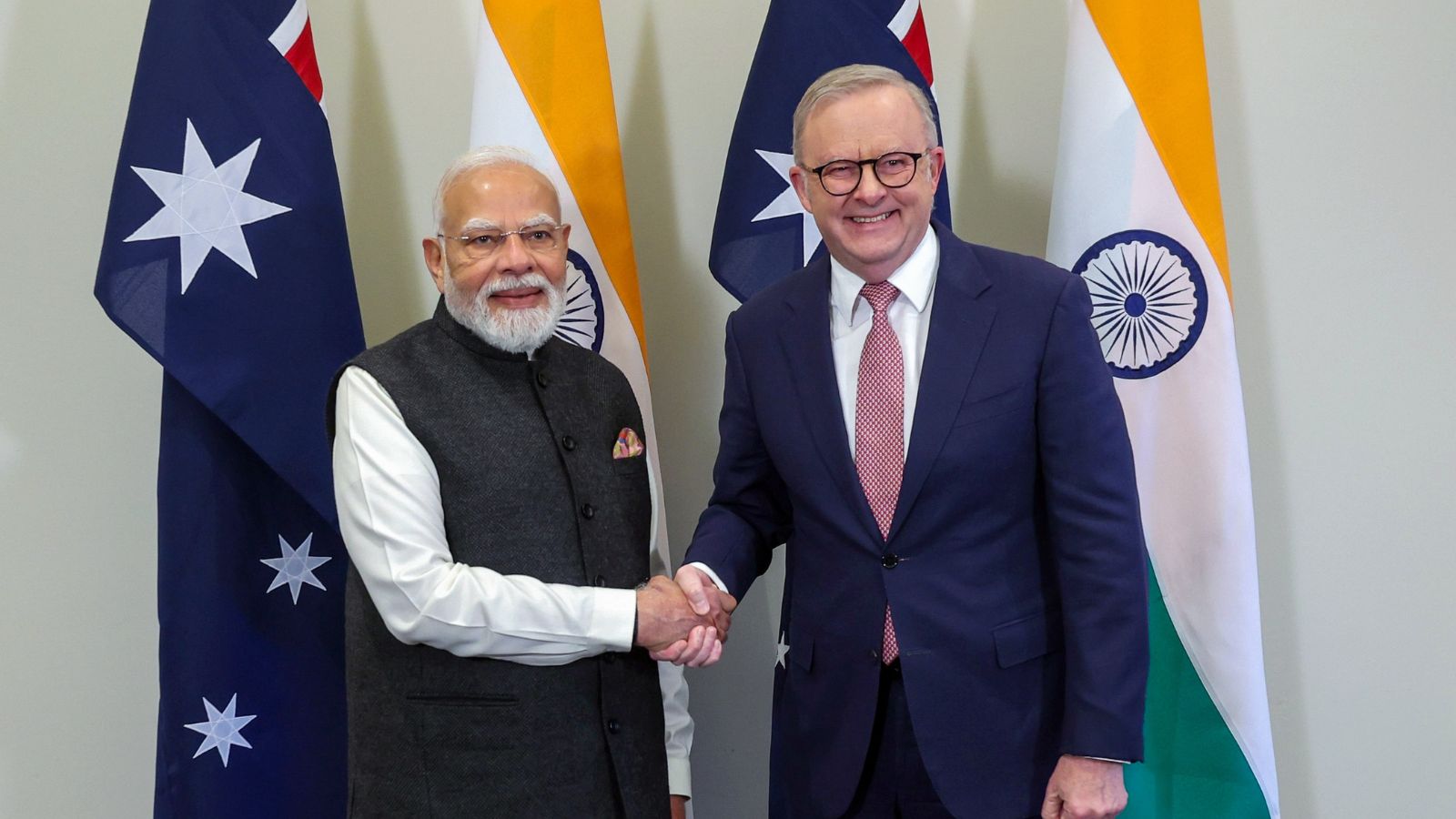
PM Modi in Melbourne finalises deal to import Uranium from Australia
Indian Express

Euronews
WorldJul 9, 2026 · 1 min
From sewers to swimming sites: how Europe's cities reclaim their rivers
Euronews
Indian Express
WorldJul 9, 2026 · 1 min
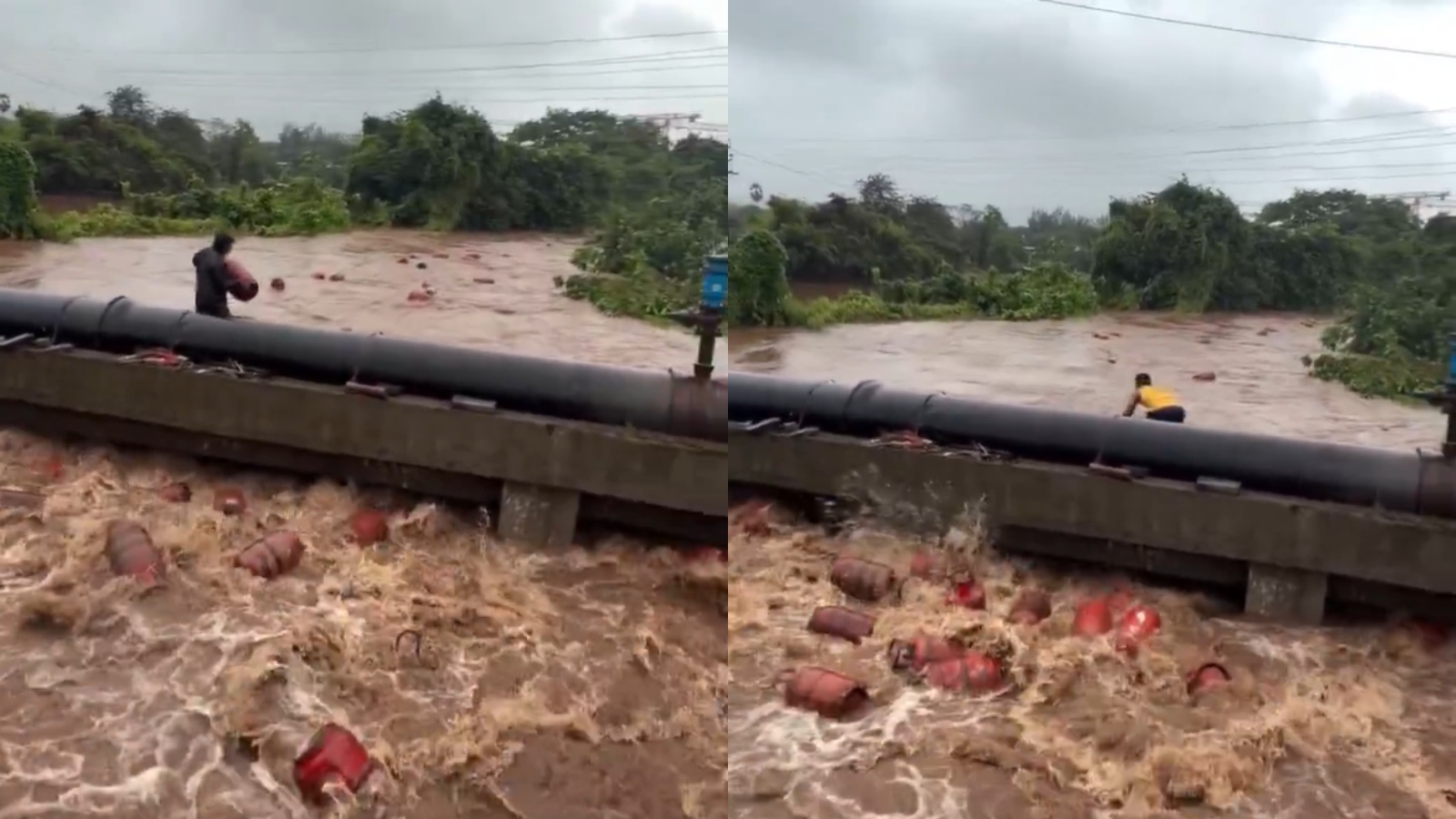
3,000 LPG cylinders swept into Maharashtra river after heavy rain floods gas plant
Indian Express

Indian Express
WorldJul 9, 2026 · 1 min
Himachal HC drops suo motu proceedings initiated against hotelier Nishant Sharma’s representation
Indian Express