Indian Express
NIA seeks life term for Mangaluru cooker blast convict Mohammed Shariq
3 min readBanglaoreUpdated: Jul 9, 2026 11:55 AM IST
Mohammed Shariq was convicted on terrorism and conspiracy charges by a special court for terrorism cases on April 27 after he pleaded guilty. (File Photo)
The National Investigation Agency (NIA) on July 1 moved the Karnataka High Court seeking a life sentence for Mohammed Shariq, 27, the main accused in the November 19, 2022 Mangaluru cooker blast case, who was already awarded 10 years’ imprisonment.
Shariq was convicted on terrorism and conspiracy charges by a special court for terrorism cases on April 27 after he pleaded guilty.
The central agency moved the Karnataka High Court on July 1 with a plea to “set aside the April 27, 2026 order” of the special court for terrorism cases and to “consequently, enhance the sentence of imprisonment for life” in the case of Shariq. The matter is yet to be taken up by the High Court, although a hearing date was set for July 9.
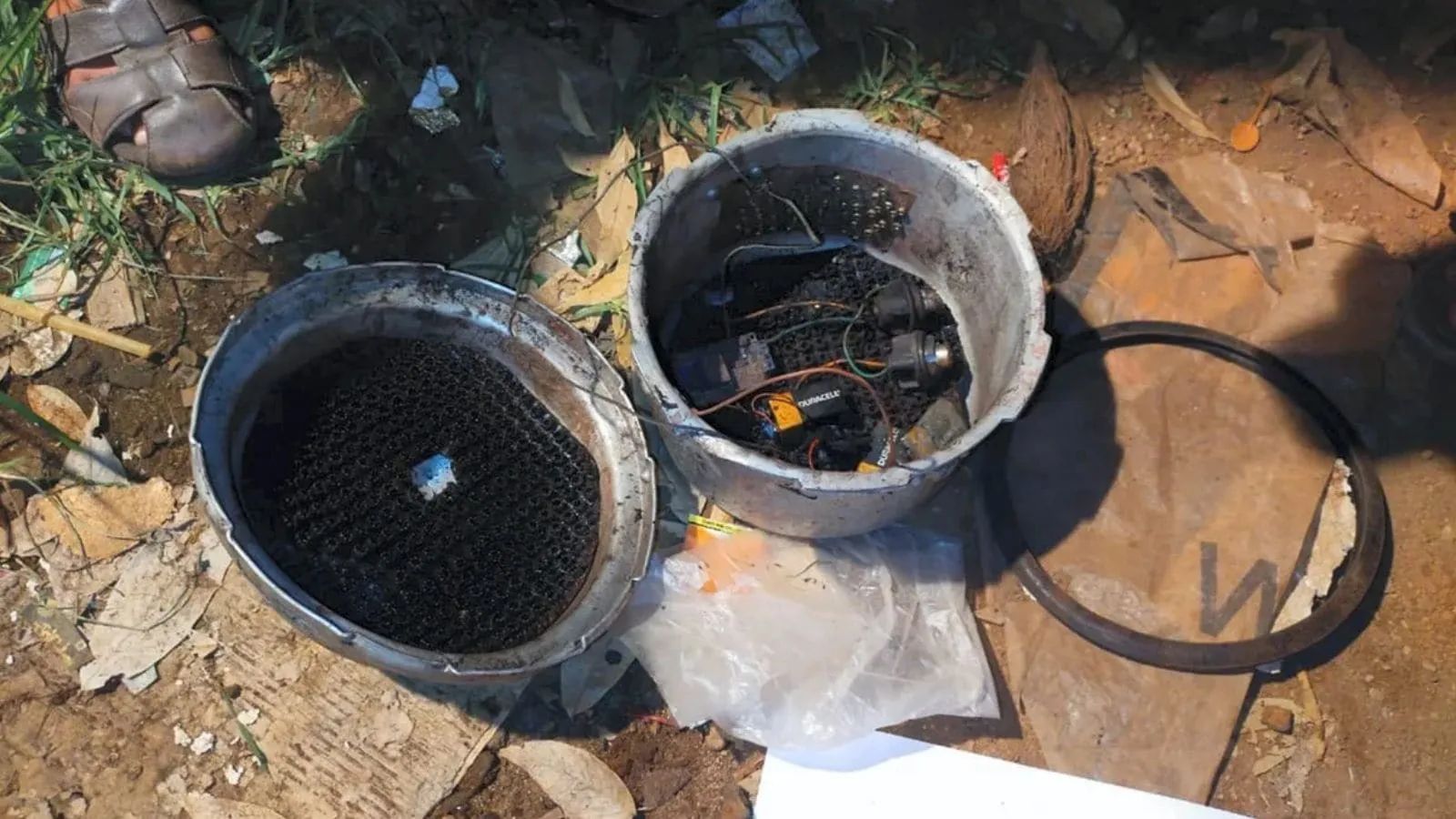
Shariq, 27, suffered serious injuries after a cooker bomb he was carrying accidentally detonated in an autorickshaw in Mangaluru on November 19, 2022. He was sentenced to 10 years’ imprisonment under the Unlawful Activities Prevention Act, 1967.
In addition, Shariq was also sentenced to 10 years in prison under the Indian Penal Code (IPC) sections for attempt to murder, causing grievous injuries (to the autorickshaw driver) and criminal conspiracy, as well as the Explosive Substances Act, by the special court.
The NIA has also sought compensation for an autorickshaw driver in Mangaluru who also suffered injuries in the 2022 blast.
On March 26, the special court had allowed a guilty plea application filed by Shariq, a commerce graduate from the Shivamogga region.
Story continues below this ad
NIA arrested Shariq, a member of an Islamic State module from Shivamogga, after his discharge from a hospital in Mangaluru following the blast. The cooker bomb, intended to be planted in a public place in Mangaluru, accidentally detonated on Shariq’s lap in the auto-rickshaw he was travelling in on November 19, 2022. The bomb was built by him using do-it-yourself techniques he learned online after coming under the influence of the Islamic State.
Shariq’s decision to plead guilty in the case was seen as an attempt to obtain early release from prison.
At the time of the Mangaluru incident, Shariq was already wanted in a terror case registered in September 2022 for alleged links to an IS module that had tested IEDs on a river bed in Shivamogga. He was arrested in 2020 for painting anti-national graffiti on a wall in Mangaluru.
Members of the Shivamogga module are also accused in the March 1, 2024 Rameshwaram Cafe blast case in Bengaluru, where a similar IED to the one used by Shariq in Mangaluru on November 19, 2022 was planted by Mussavir Hussain, a founding member of the Shivamogga module, along with his associate Abdul Matheen Taha, who were both arrested in 2024.
Story continues below this ad
NIA claims Shariq and the Shivamogga module are allegedly handled by the Pakistan-based Mohammed Shahid Faisal, 40, a former Bengaluru-based engineer who fled the country in 2013 following the emergence of a case to recruit local Muslim youths for unlawful activities.
The Ministry of Home Affairs named Faisal on July 4 in a new list of 23 persons who are designated as terrorists.
View original source — Indian Express ↗
Related stories

South China Morning Post
WorldJul 9, 2026 · 1 min
South Korea set to power US fight for naval dominance amid rising geopolitical tensions
South China Morning Post

Euronews
WorldJul 9, 2026 · 1 min
'Maldives of the Middle East': Saudi Arabia's Red Sea project takes shape
Euronews

The Hindu
WorldJul 9, 2026 · 1 min
India, Australia unveil new defence declaration to deepen Indo-Pacific cooperation
The Hindu
Indian Express
WorldJul 9, 2026 · 1 min
PM Modi in Melbourne finalises deal to import Uranium from Australia
Indian Express