
RNZ
Bay of Plenty rūnanga hopes forestry bio-hub bid would bring jobs
A Bay of Plenty rūnanga boss is optimistic locals will benefit from an industrial bio-energy hub proposed in one of New Zealand's largest plantation forestry estates.
Investors and Te Rūnanga o Ngāti Manawa are exploring the possibility of building a new bio-refinery hub around Kaingaroa Forest Estate, between Rotorua and Taupō.
The concept was driven by NZ Bio Forestry - a New Zealand company launched in 2018, with shareholders in Singapore and Taiwan - on a mission to utilise plantation forestry in reducing the reliance on fossil fuels.
It wanted to turn forestry bio-mass into bio-fuels, bio-chemicals and residues from a New Zealand-based bio-refinery.
The company, backed by the forest's major shareholding iwi, agreed to carry out a feasibility study for a forestry-based processing centre around Kaingaroa and Murupara Villages.
What do you think of the project? Let us know [email protected]
The forest spanning about 200,000 hectares was returned to tangata whenua in 2009, marking one of the largest Te Tiriti o Waitangi/Treaty of Waitangi settlements.
It is now owned by a central North Island iwi collective and leased out to commercial entities like major employer Kaingaroa Tipu, formerly Timberlands, with its logging operation.
With Ngāti Manawa representing about 5000 mana whenua, chair Kani Edwards said, while the project was still in its early stages, he hoped it would create jobs for locals.
"There are a lot of boxes that need to be ticked in order to get this off the ground, but if we get this right, it would be incredible," he said.
"For too many years, both Kaingaroa and Murupara have been in economic decline, and we think this is the opportunity that can change that."
The largely Māori area was once a bustling centre for forestry workers during the logging booms of recent decades, after it was first planted about a century ago.
Since then, many private forestry companies have come and left the area, or headed to nearby Rotorua and Taupō instead.
Edwards said, over the years, many workers and their whānau exited the villages hunting work, so the community now faced acute socio-economic challenges it was trying to address.
"Murupara and Kaingaroa, we have some of the highest social and economic issues probably in the Bay of Plenty," he said. "We have one of the highest unemployment rates, we have some of the highest social and health problems as well.
"First and foremost, if we can get our people into full-time employment and get stable incomes coming in, then that sets the tone for everything else and the families can start getting better quality of life."
Among other things, Edwards hoped that a sawmill would be introduced in the hub.
NZ Bio Forestry chief executive and owner Wayne Mulligan said it wanted to utilise the abundant and durable forestry resource, while boosting regional development.
"It's about helping the foresters - they're in a bit of a slump to be honest - and to help them see that what they're growing can be put to more uses than export logs.
"We look to Manawa - to Murupara and Kaingaroa Village - as the place where New Zealand's next industrial transformation can begin."
Over the next six months, it will investigate opportunities in advanced wood processing, renewable energy, green chemistry, land assessments and other high‑value bio‑based industries in the area.
Any future development would be subject to due diligence, commercial viability, governance approvals, regulatory processes and community engagement.
If successful, construction would begin this year or early next.
The company wanted to replicate what it called a scaleable model for an industrial forestry-based hub at other sites across Aotearoa.
The rūnanga held community meetings regarding the project last week.
Related stories

Indian Express
WorldJul 9, 2026 · 1 min
PM Modi in Melbourne finalises deal to import Uranium from Australia
Indian Express

Euronews
WorldJul 9, 2026 · 1 min
From sewers to swimming sites: how Europe's cities reclaim their rivers
Euronews
Indian Express
WorldJul 9, 2026 · 1 min
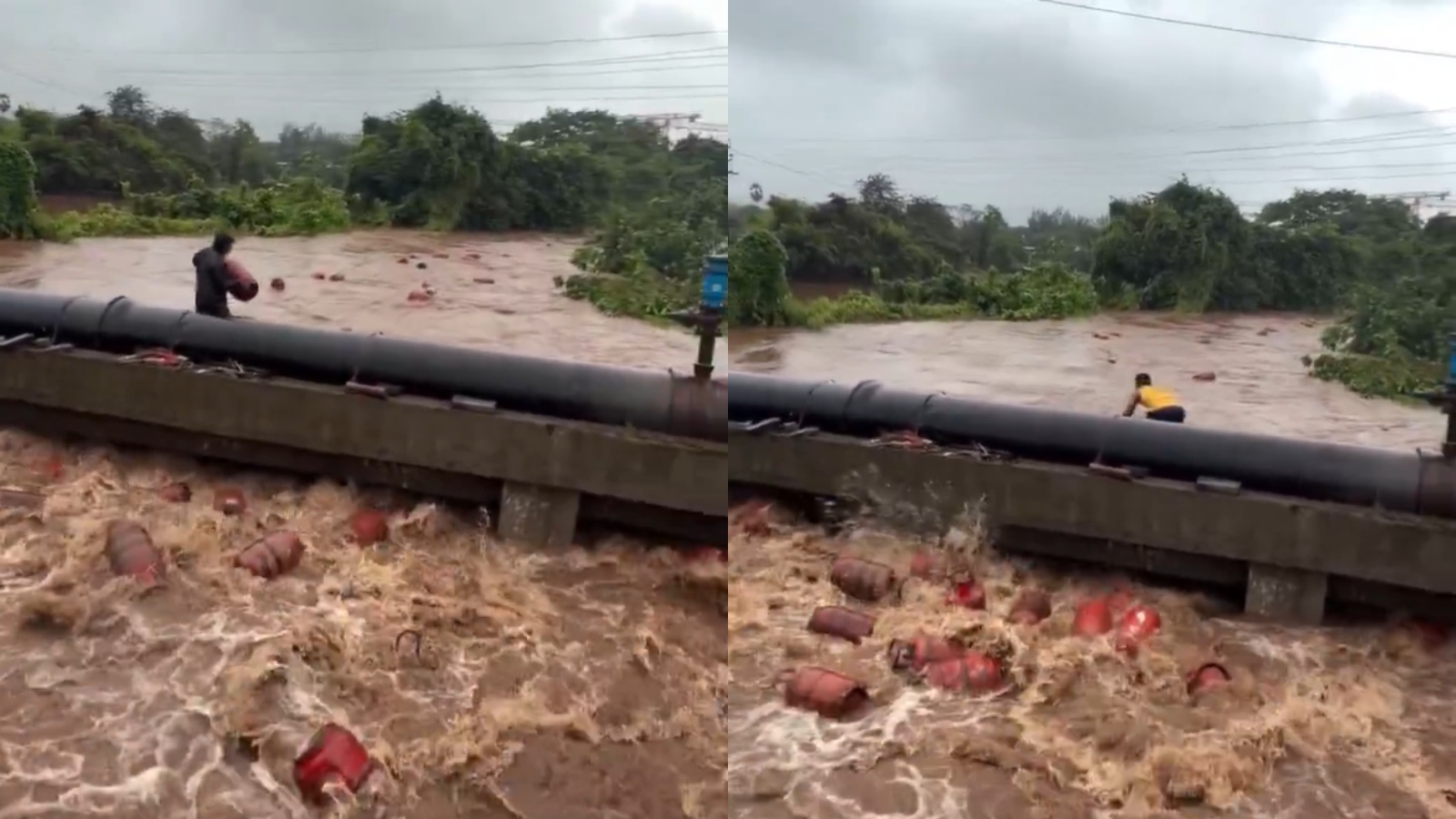
3,000 LPG cylinders swept into Maharashtra river after heavy rain floods gas plant
Indian Express
Indian Express
WorldJul 9, 2026 · 1 min
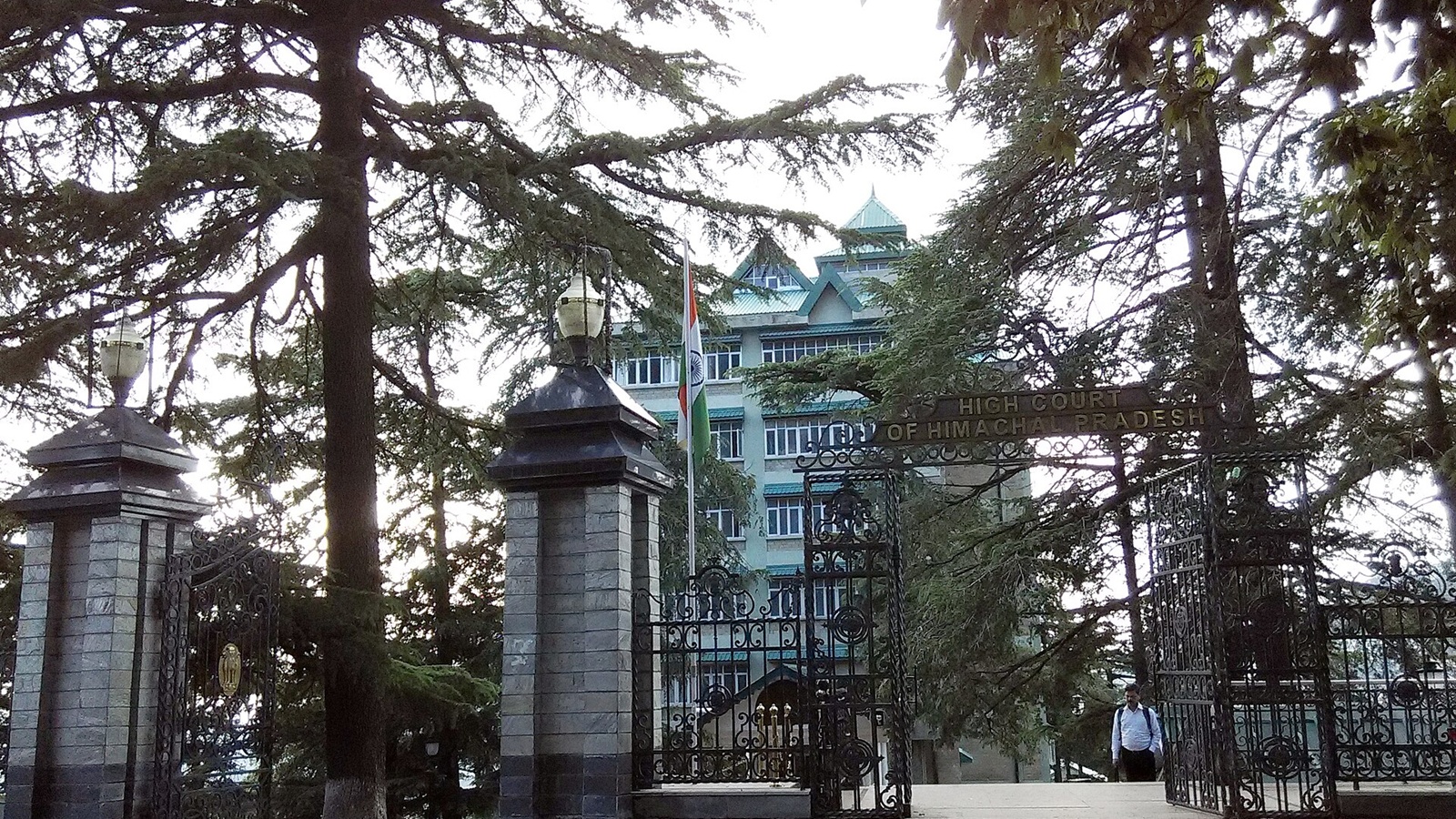
Himachal HC drops suo motu proceedings initiated against hotelier Nishant Sharma’s representation
Indian Express