Indian Express
SpaceX launches world’s first commercial nuclear-powered satellite
3 min readJul 9, 2026 11:14 AM IST
SpaceX's Falcon 9 rocket lifts off from Vandenberg Space Force Base carrying the BOHR satellite and 80 other payloads on the Transporter-17 mission. (Image: X/ Museum of flight)
SpaceX has successfully launched what is being described as the world’s first commercially built nuclear-powered satellite, marking a significant milestone for space-based nuclear technology.
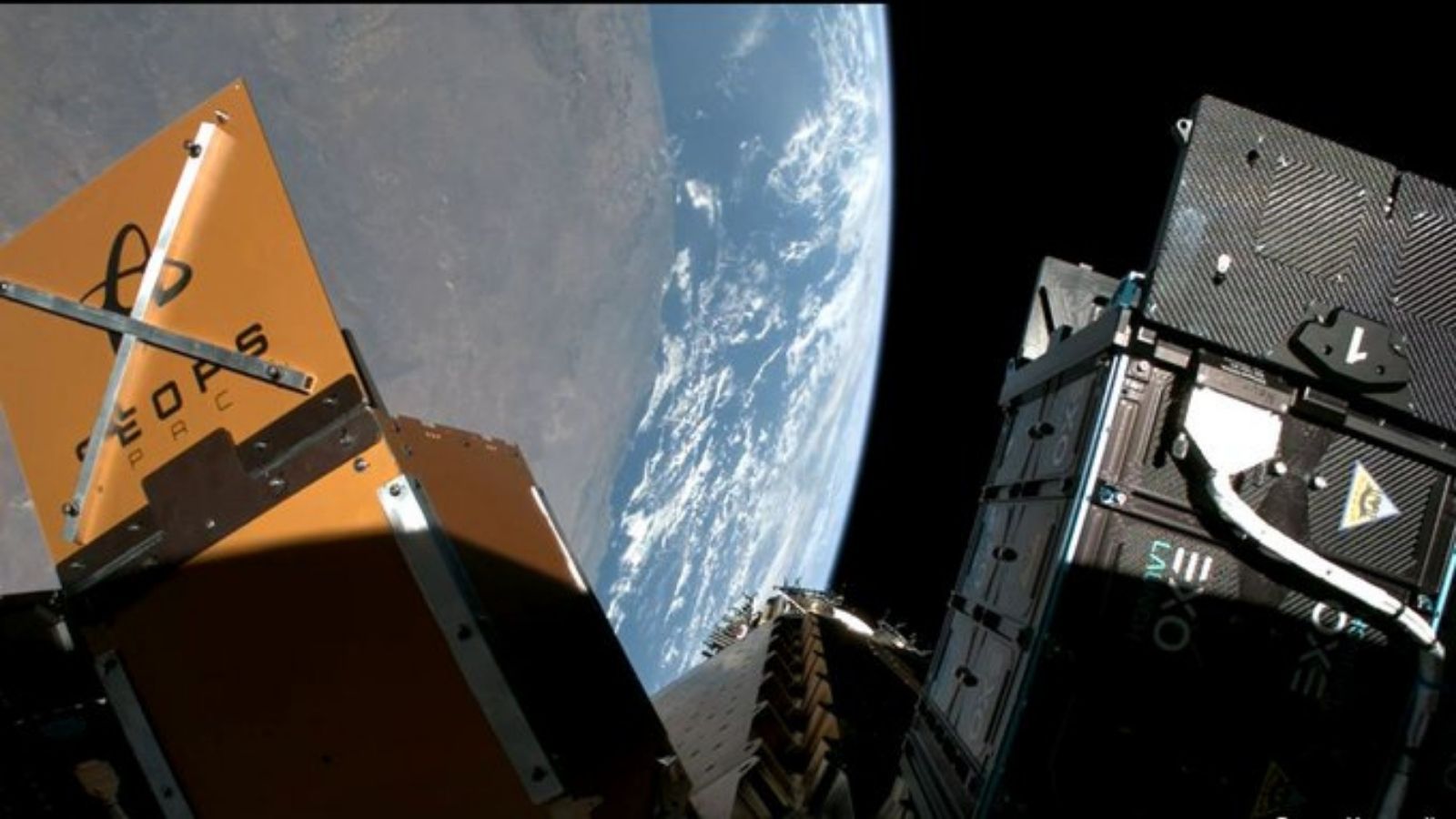
The satellite, called BOHR (Betavoltaic Orbital High-Reliability), was developed by Florida-based company City Labs and lifted off on Tuesday aboard a SpaceX Falcon 9 rocket as part of the company’s Transporter-17 rideshare mission from Vandenberg Space Force Base in California.
The Falcon 9 mission carried 81 payloads, with satellite deployments beginning about 50 minutes after launch.
How BOHR’s nuclear technology works
BOHR is a demonstration mission designed to test City Labs’ proprietary NanoTritium betavoltaic micropower source in space for the first time.
Unlike conventional satellites that rely entirely on solar panels, NanoTritium generates electricity by using the beta particles released during the radioactive decay of tritium, a radioactive form of hydrogen. Those particles are converted directly into electrical energy using a semiconductor device.
The technology differs from the radioisotope thermoelectric generators used on Nasa spacecraft such as the Voyager probes, which generate power from heat emitted by decaying plutonium.
“This is a historic step for commercial nuclear power in space,” City Labs CEO Peter Cabauy said in a statement.
Story continues below this ad
A pathfinder for future deep-space missions
Although BOHR still depends on solar panels for its primary spacecraft operations, the mission is intended to demonstrate how betavoltaic power systems could eventually support spacecraft operating in environments where sunlight is scarce.
City Labs believes the technology could one day power missions to permanently shadowed regions of the Moon, including craters near the lunar south pole that receive little or no direct sunlight.
The lunar south pole has become a major focus of Nasa’s Artemis programme because of the large amounts of water ice believed to exist there, which could potentially support long-term human habitation.
While BOHR’s power output is far too small to power a lunar base, City Labs says the technology could eventually be scaled up for larger applications.
Story continues below this ad
Approved under US nuclear launch rules
According to the company, tritium emits relatively low levels of radiation, making the systems suitable for integration into commercial launch environments.
The BOHR mission was funded through a US Department of Defense contract and is also the first nuclear-powered mission approved under the Federal Aviation Administration’s nuclear launch framework established by the country in 2019.
City Labs hopes the success of BOHR will pave the way for future commercial and national-security spacecraft that use compact nuclear power systems instead of relying entirely on solar energy.
View original source — Indian Express ↗
Related stories

TechRadar
TechnologyJul 9, 2026 · 1 min
I've watched all of Little House on the Prairie and finally understand why Netflix rebooted the classic Western drama
TechRadar

Wired
TechnologyJul 9, 2026 · 1 min
The $28 Million Mistake That Inspired Estonia's AI “Fuckup Finder”
Wired

Dawn
TechnologyJul 9, 2026 · 1 min
US, Iran trade strikes for a 2nd day in fight over Strait of Hormuz
Dawn

Indian Express
TechnologyJul 9, 2026 · 1 min
UPSC Mains Answer Practice — GS 2: India–Australia defence cooperation and foreign contribution amendments (Week 162)
Indian Express