
RNZ
Manufacturing rebounds as truck traffic points to stronger economy
Two high-frequency economic indicators released today suggest parts of the economy are recovering from the hit of high fuel prices and Middle East uncertainty after a shaky few months.
The BNZ-BusinessNZ Performance of Manufacturing Index (PMI) surged to 59.7 in June, from 51.3 in May and 50.6 in April.
A reading above 50 indicates expansion, and June's result was well above the survey's long-term average of 52.5.
BusinessNZ director of advocacy Catherine Beard said the result was "hugely encouraging".
"Just as pleasing is the shift in mood," Beard said, "with positive comments outweighing negative ones for the first time in recent months, at 52 percent."
BNZ head of research Stephen Toplis said the result was the highest since May 2017, excluding the Covid-era rebound.
"The number was so strong, we thought that there might be something rogue about the result, but we've gone through it with a fine-tooth comb and it all stacks up," he said.
Toplis said the strength was being driven by a combination of export demand, renewed spending in the agriculture and horticulture sectors, and lower electricity and fuel prices.
Every main sub-index was in expansion, led by new orders at 64.1.
"Having that new orders number so strong gives you confidence that you're going to get further growth in both production and employment," he said.
However, he said the result should not be read as proof the whole economy is booming, with some industries linked to construction still weak.
Toplis said the Performance of Services Index (PSI), due out on Monday, will be a key insight into whether the economy is improving broadly.
Services are a much larger part of the country's economy than manufacturing.
Vehicle data points to a lift in production
ANZ's latest Truckometer data also suggested production was improving.
The Heavy Traffic Index - a measure of real-time production - rose 1.8 percent in June and was up 1.3 percent from a year earlier.
ANZ senior economist Matthew Galt said that was a good sign production had been rising, consistent with a strong primary sector and the economy recovering from a drop in confidence driven by high fuel prices and Middle East uncertainty.
"The signs are that the economy is getting back on track after a bit of a knock over that April-May period when fuel prices were very high," he said.
Galt said business surveys and card spending data had also improved over the past couple of months, as fuel prices eased and fears around the Middle East and possible fuel rationing receded.
However, the Light Traffic Index - an indicator of future demand - fell 0.5 percent in June and was down 0.4 percent from a year earlier.
ANZ said that likely reflected people driving less because of higher fuel prices.
But Galt said it should not automatically be read as a straightforward signal of economic weakness.
Both economists said risks remained, particularly around energy prices and the Middle East.
Toplis said the PMI result supported the Reserve Bank's current monetary policy stance, because it showed the economy is "not dead and dying".
Galt said interest rates still looked likely to rise, but for better reasons than feared a few months ago.
He said higher rates would reflect a stronger economy, rather than the Reserve Bank having to fight an unexpected cost shock.
Related stories

The Guardian
BusinessJul 9, 2026 · 1 min
Great Britain’s grid operator issues another warning over power supplies in heatwave
The Guardian
Bloomberg
BusinessJul 9, 2026 · 1 min
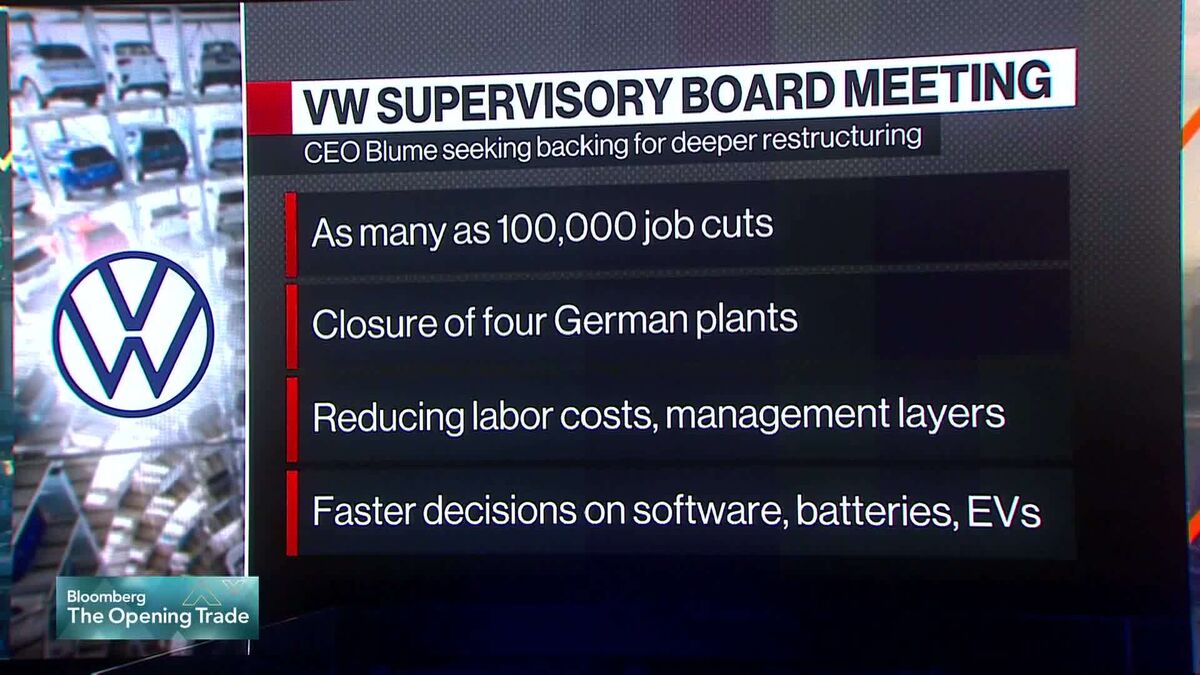
Volkswagen CEO Blume Pushes for Deep Cost Cuts
Bloomberg

TASS
BusinessJul 9, 2026 · 1 min
Orlan-10, Orlan-30 UAVs being upgraded based on special military op experience — STC
TASS

Dawn
BusinessJul 9, 2026 · 1 min
ADB keeps Pakistan's growth outlook unchanged at 3.7pc for current fiscal year
Dawn