Indian Express
Meta testing AI glasses that can continuously monitor surroundings: Report
3 min readJul 9, 2026 01:56 PM IST
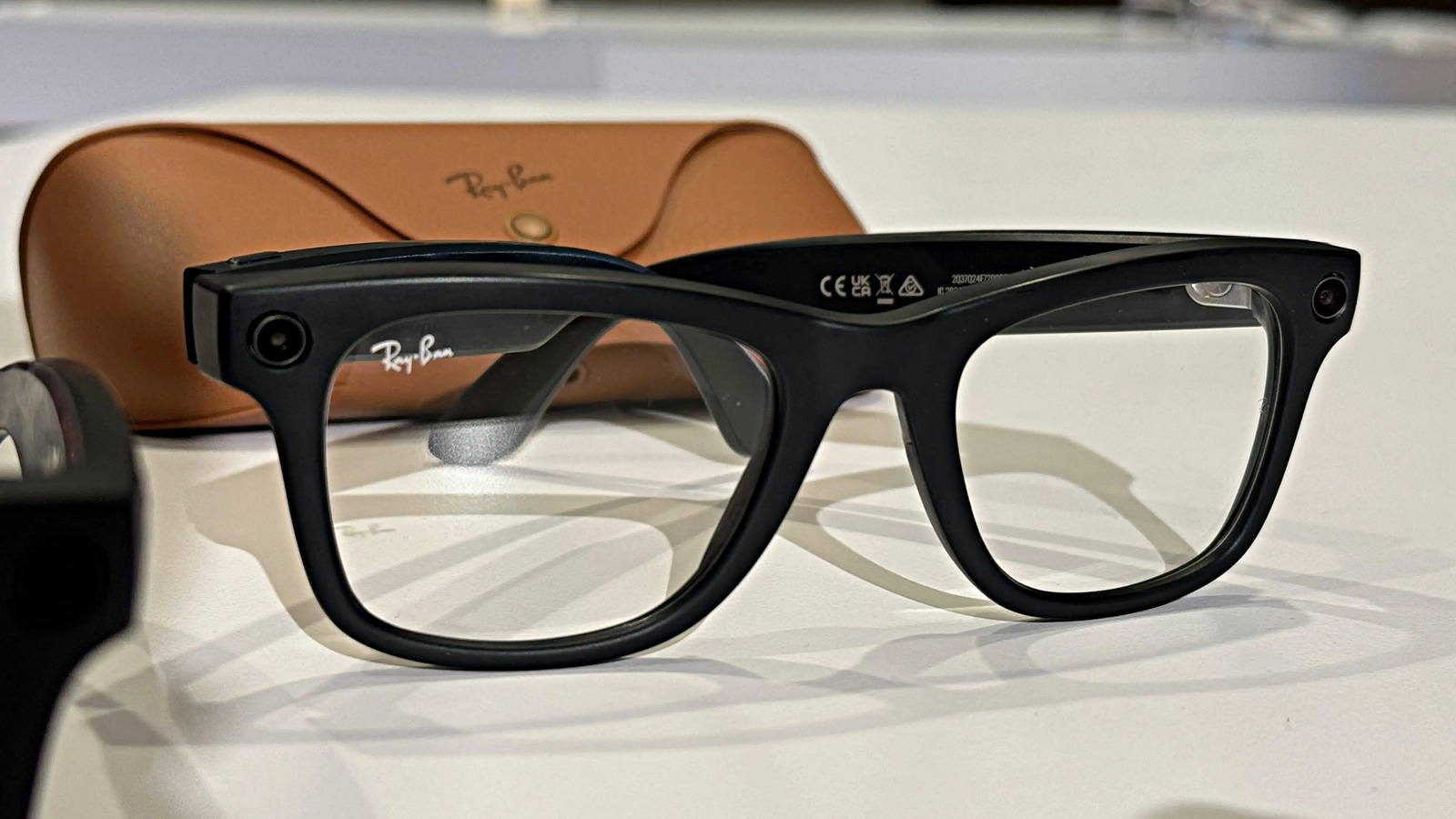
The prototype glasses are said to periodically capture photos and listen to ambient sounds to help Meta AI answer questions about a user's day. (Image: Express Image)
Meta is reportedly developing a new generation of smart glasses equipped with an always-on “super sensing” mode that could continuously capture audio and frequently take photos of a user’s surroundings.
According to a report by Financial Times, the prototype glasses would constantly monitor the wearer’s environment, allowing Meta AI to later answer questions based on what the user has seen and heard throughout the day. The company is said to be experimenting with a system that allows the glasses to snap images every few seconds and continuously listen to ambient sounds.
The feature aligns with Meta CEO Mark Zuckerberg’s broader vision of AI-powered wearables that function as personal assistants, helping users remember information and complete everyday tasks.
How the system could work
The report suggested that raw photos and audio recordings may not be stored by Meta directly or accessible to users. Instead, the glasses could extract metadata from captured images and sounds, and upload that information to Meta’s servers, where the company’s AI systems would process and query the data.
Supporters of the approach argue that using metadata rather than storing full recordings could reduce some privacy risks. However, the idea of continuously monitoring surroundings still raises significant concerns.
Privacy concerns intensify
Meta’s smart glasses have already attracted scrutiny over privacy issues. The company has faced criticism following reports of users secretly recording people while wearing the glasses, as well as concerns about the technology’s potential facial-recognition capabilities.
The company has recently introduced safeguards that disable the glasses’ camera if the LED recording indicator has been tampered with. However, the Financial Times reported that Meta is currently considering keeping the LED indicator turned off during “super sensing” mode because it would be categorised as an AI feature rather than active photo or video capture.
Story continues below this ad
Critics argue that this could make it difficult for bystanders to know when they are being monitored.
The report also said Meta is exploring whether data collected through the feature could eventually be used to train its AI models. Some of these capabilities may also be rolled out to existing smart glasses through future software updates.
Meta has declined to comment directly on the prototypes but said it is committed to developing smart glasses that work well for both users and people around them, with privacy protections built into the design.
View original source — Indian Express ↗
Related stories

Lovin Malta
TechnologyJul 9, 2026 · 1 min
Watch: Tourist Delighted After Unexpected Goat Traffic Jam In Malta
Lovin Malta

Indian Express
TechnologyJul 9, 2026 · 1 min
Maharashtra UCC panel to be headed by Justice Ranjana Desai, who drafted Uttarakhand’s code
Indian Express

South China Morning Post
TechnologyJul 9, 2026 · 1 min
Xiaomi preps for fierce EV race with new SUV line, long-range battery tech
South China Morning Post

Wired
TechnologyJul 9, 2026 · 1 min
Federal Investigators Say Certain DOGE Records Were Deleted
Wired