Indian Express
Court nixes Assembly relief for Bengaluru IISc prof accused of sexual harassment
4 min readBengaluruUpdated: Jul 9, 2026 04:25 PM IST
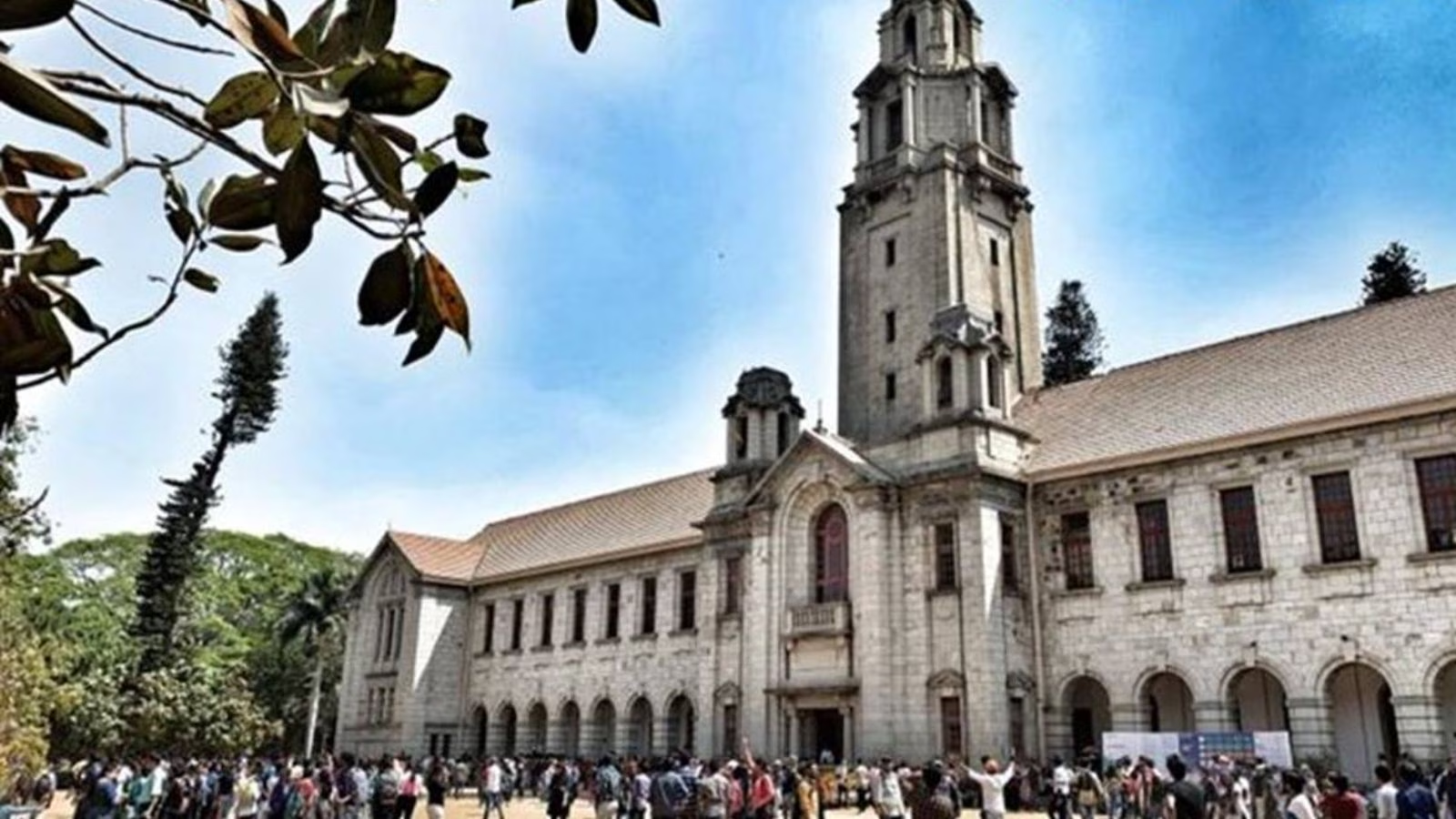
The IISc and its director approached the high court seeking to cancel the communication to reinstate Dr D Sanna Durgappa. (File Photo)
The Karnataka High Court last month set aside a communication issued by a Legislative Assembly panel directing the Indian Institute of Science (IISc), Bengaluru, to reinstate a Dalit faculty member terminated following sexual harassment allegations.
“This Court is not apprised of any piece of legislation or provisions of law empowering ‘legislative committee’ to sit over a matter which has already attained finality in terms of an order passed by a competent Court of Law, namely this Court,” Justice M G S Kamal said in his order dated June 22.
The IISc and its director, Anurag Kumar, approached the court seeking to cancel the October 6, 2017, communication to reinstate Dr D Sanna Durgappa, a former assistant professor at the institute.
Durgappa had filed three complaints accusing Infosys co-founder Kris Gopalakrishnan, who chairs the IISc’s governing council, and 15 other senior officials and faculty members of caste-based harassment.
In 2025, the high court rejected the third complaint, stating that the accusations did not constitute offences under the Scheduled Castes/Scheduled Tribes Act and were a “vexatious attempt to harass the petitioners”. “The dispute between the parties is essentially civil in nature, albeit presented with a criminal colour, and repeated complaints were an abuse of the legal process,” the court then said.
Internal inquiry against complaints to SC/ST panel
On September 25, 2014, a complaint was filed against Durgappa before the IISc’s Sexual Harassment Complaint Committee. The committee recommended Durgappa’s removal in its report submitted five days later.
Story continues below this ad
The IISc’s governing council then sought a reply from Durgappa, accepted the committee report, and removed him from service on April 28, 2015.
Durgappa approached the high court and simultaneously complained to the additional director-general of police of the Directorate of Civil Rights Enforcement regarding his removal from service. He also complained to the Karnataka State SC/ST Commission, alleging caste-based harassment.
In 2015, a settlement was reached between the parties before the high court, converting his termination into resignation. Durgappa received terminal benefits and agreed to withdraw all related complaints. However, Durgappa moved the high court four months later seeking cancellation of the settlement, but the court turned down his request.
‘Reinstatement ordered without considering facts and IISc’s reply’
Without challenging the high court-ordered settlement, Durgappa filed an application before the Assembly’s Scheduled Castes and Scheduled Tribes Welfare Committee in 2017. The committee issued a notice directing the IISc to file a reply and appear before it. However, without considering the institute’s reply, the Assembly panel directed Durgappa’s reinstatement.
Story continues below this ad
Advocate S R Kamalacharan, appearing for the petitioners, argued that Durgappa’s complaint appeared not to be about the non-payment of his terminal benefits but was aimed at raising his claim of innocence regarding the sexual harassment allegations, which had attained finality in earlier proceedings.
The high court accepted the petition and said, “There is no reference to any order having been passed. No reference to any provision of law or the piece of legislation under which the Assembly is vested with the power and authority to issue such a communication. The order impugned is clearly arbitrary and suffering from lack of jurisdiction and is required to be set aside.”
View original source — Indian Express ↗
Related stories

Antara News
WorldJul 9, 2026 · 1 min
Indonesia plans to turn diesel surplus into jet fuel to end imports
Antara News

Portugal Resident
WorldJul 9, 2026 · 1 min
Driver who fled fatal Albufeira crash identified and charged
Portugal Resident
South China Morning Post
WorldJul 9, 2026 · 1 min
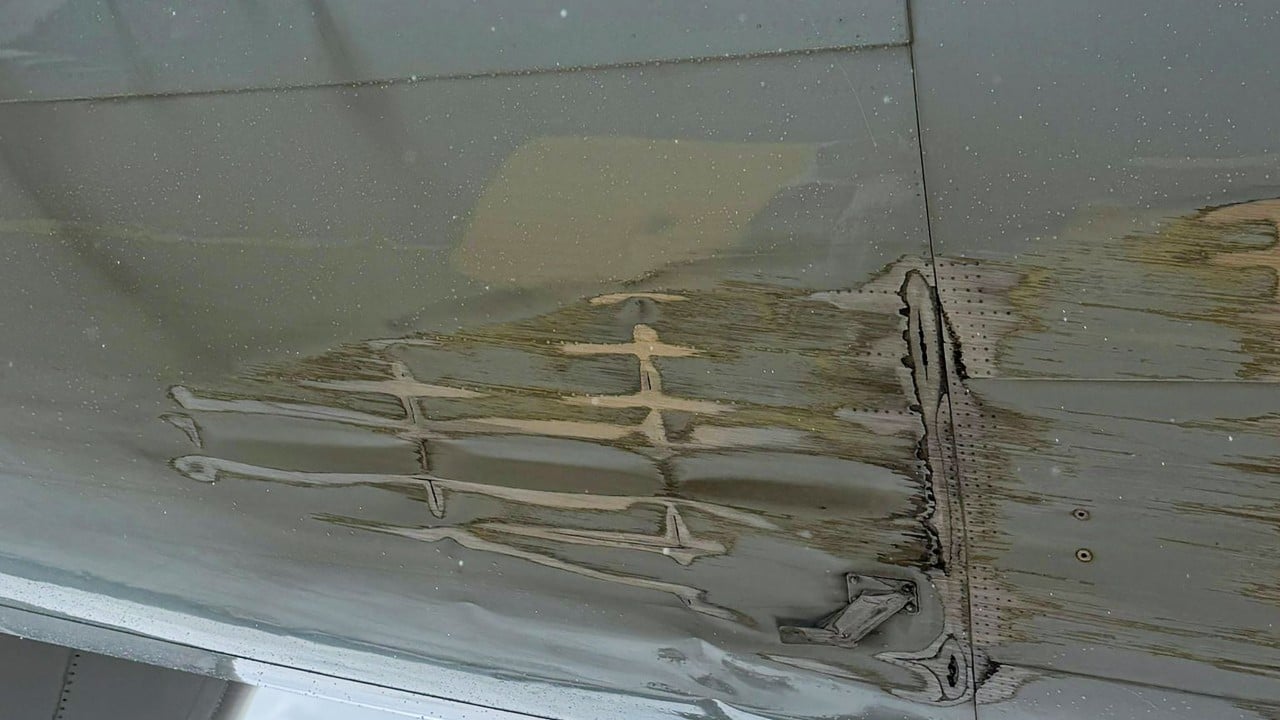
Cathay Pacific aircraft’s tail hit runway at Hong Kong airport, airline confirms
South China Morning Post

Philippine Daily Inquirer
WorldJul 9, 2026 · 1 min
Cops seize P7-M worth of shabu, arrest suspect in Ormoc City buy-bust
Philippine Daily Inquirer