Indian Express
Indian GCCs’ costs rising, other countries copying us, cautions CEA Nageswaran
3 min readNew DelhiJul 9, 2026 05:20 PM IST
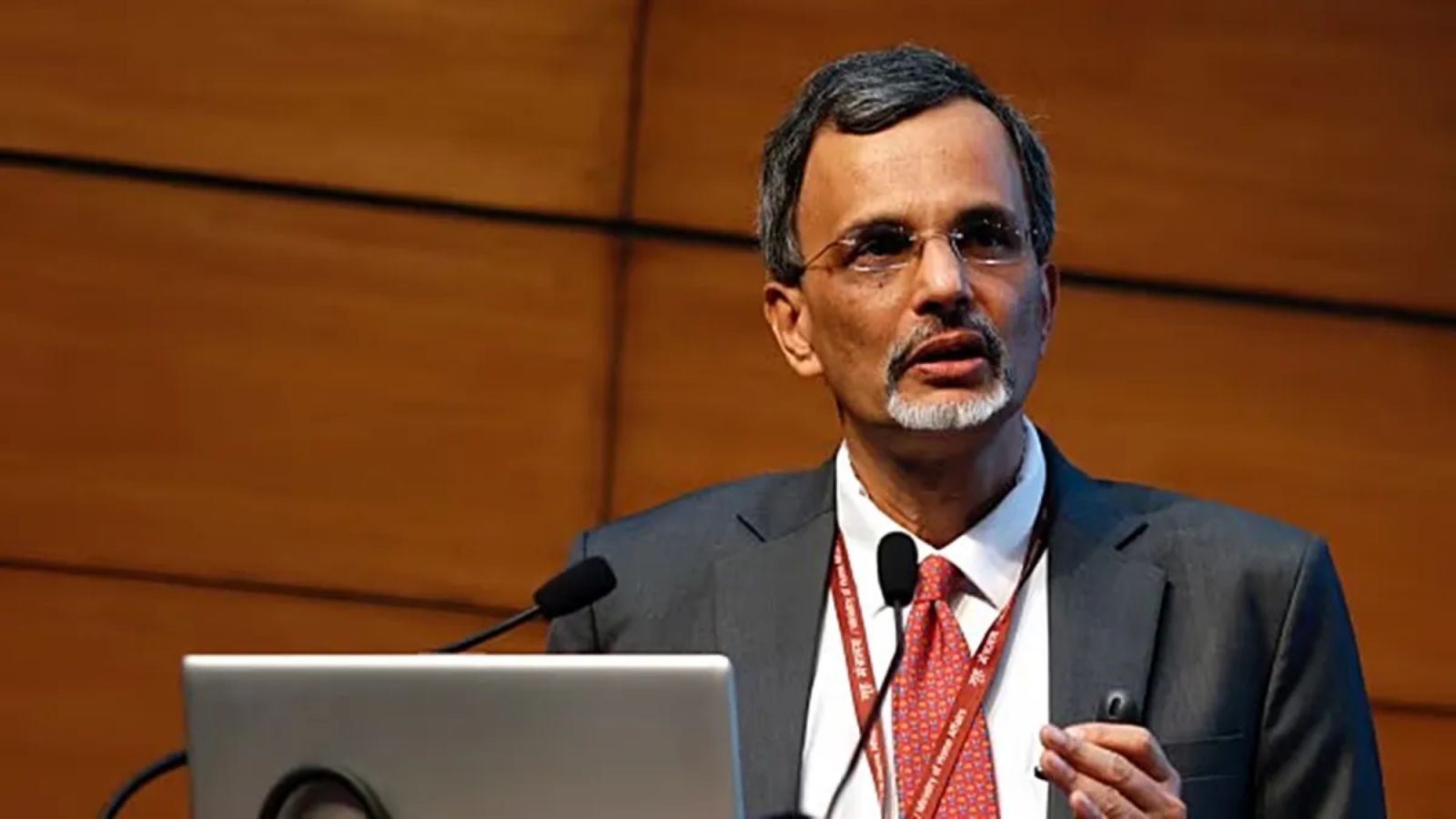
"Other countries are watching us and copying us. Our costs are rising," said Chief Economic Advisor V Anantha Nageswaran. (File photo)
While the rise of Global Capability Centres (GCCs) has been “one of the quiet successes” of India, the country can’t be complacent as costs are rising domestically and other nations are copying us, Chief Economic Advisor V Anantha Nageswaran said on Thursday.
Speaking at the CII GCC Business Summit, the government’s top economist cautioned that the advantage built by India “can also erode”.
“Other countries are watching us and copying us. Our costs are rising. In some skills, our talent is already scarce. So, indispensability is not a title we can hold forever. It is a position we have to earn, and then earn again. The moment we believe we have arrived is the moment others begin to catch up,” Nageswaran said, warning against celebrating “too early”.
India is a global hub of GCCs, with the CEA pointing out that there may be more than 2,000 such centres in the country possibly employing more than 2 million people, with revenue heading towards $100 billion. On the whole, they account for around 2% of India’s GDP.
With more and more global companies – from banks to carmakers and semiconductor firms – performing cutting-edge work in artificial intelligence and machine learning in these GCCs, India has become the second-largest base of enterprise AI talent in the world.
Addressing fears that AI may replace Indian professionals such as coders, Nageswaran said that if the value of a GCC lies in “doing simple tasks at low cost, then that value is under real threat”. However, he argued that the building, deployment, and governing of AI still requires humans – and this work is only increasing, with a growing share of it being done in India. And in well-run GCCs, AI only raises the value of each employee.
In such a situation, the government and industry must work together to ensure GCCs don’t stand still and “move up”, with Nageswaran asserting that while the government “can build the runway… It cannot fly the plane.”
Story continues below this ad
Listing the announcements made in the 2026-27 Union Budget, presented on February 1, that provided tax certainty to GCCs and simplified and expanded the transfer-pricing safe harbour along with a higher threshold, Nageswaran said industry must now help make the “move from cost to capability, from execution to innovation”. This includes skilling in the form of day-one ready graduates, which will require universities, industry, and the government to work together at the same time.
With the value of GCCs lying in the judgment of the people who run them, the goal according to the CEA is not to make people work like machines but to free staff to do what machines can’t do: reason, decide, take responsibility, and exercise wisdom.
“If we keep the human being at the centre, these centres will do more than survive the age of artificial intelligence. They will help to shape it. And India will be the better for it,” he said.
Siddharth Upasani is a Deputy Associate Editor with The Indian Express. He reports primarily on data and the economy, looking for trends and changes in the former which paint a picture of the latter. Before The Indian Express, he worked at Moneycontrol and financial newswire Informist (previously called Cogencis). Outside of work, sports, fantasy football, and graphic novels keep him busy.
... Read More
Tags:
GCC
View original source — Indian Express ↗
Related stories

TASS
BusinessJul 9, 2026 · 1 min
Patriot missile production cycle to take years to fill out — Ukrainian Defense Ministry
TASS

Portugal Resident
BusinessJul 9, 2026 · 1 min
Portugal changed its big tax perk – don’t panic
Portugal Resident
CNBC
BusinessJul 9, 2026 · 1 min
Arkansas is America's Most Improved State in 2026 as workers move to Walmart's home for low costs, high quality of life
CNBC

CNBC
BusinessJul 9, 2026 · 1 min
Hawaii is America's Worst State for Business in 2026, even its legendary quality of life takes a dip
CNBC