South China Morning Post
China aims to revive physical stores, make them ‘immersive’, as shield against e-commerce
With retail sales growth cooling in May to the slowest pace since December 2022 and persistent weakness in big-ticket items extending through last month, Beijing has stepped in to reinvigorate bricks-and-mortar operators facing intense price competition from e-commerce platforms.
The Ministry of Commerce, together with eight other relevant authorities, on Thursday released guidelines to accelerate the innovative development of the retail sector. The document charts out a path for differentiated competition between online and offline retailers, featuring plans to build a more rational pricing system over the next few years.
The road map arrives against a backdrop of “trading down”, a trend that emerged during the Covid-19 pandemic and has persisted through 2026. The behaviour sees shoppers switch from premium brands to lower-priced alternatives, or simply purchase less, due to economic uncertainty or less disposable income.
“Backed by highly efficient logistics networks and e-commerce platforms squeezing sellers’ profit margins to the extreme, online retail has maintained faster growth over recent years,” said Zhou Changqing, general manager at the Beijing-based Retail China consultancy.
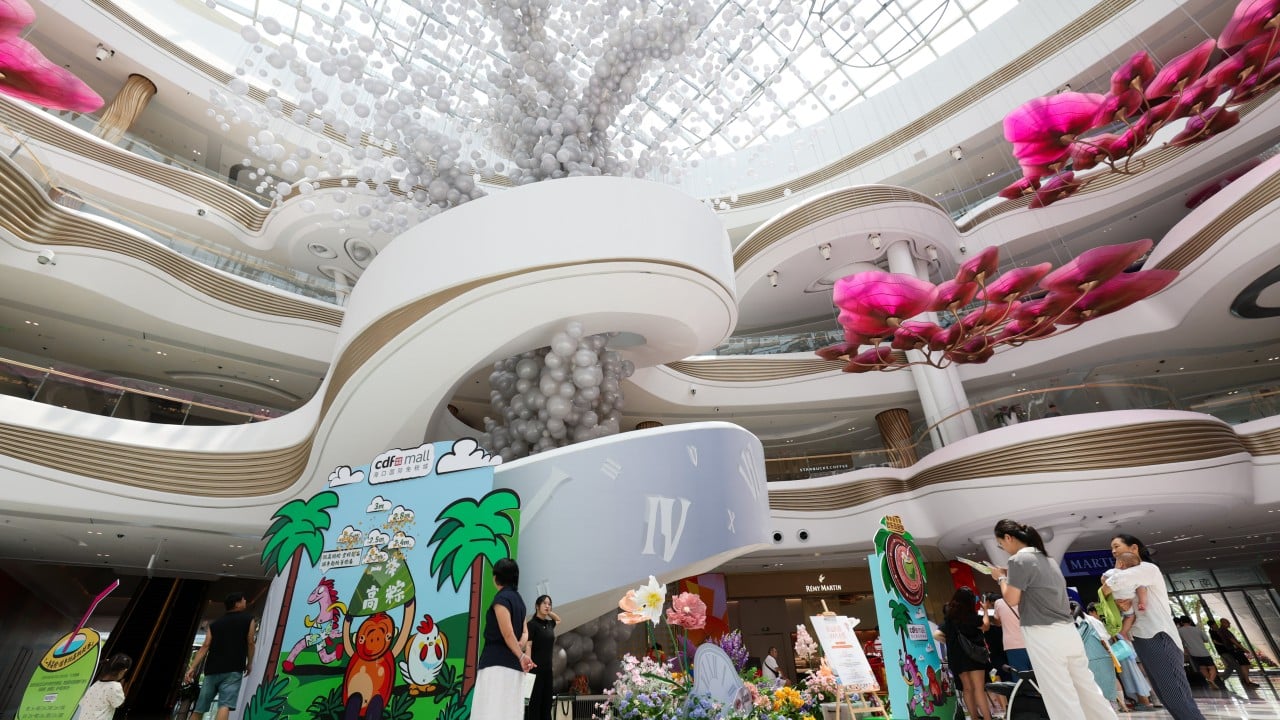
To shore up consumption growth and upgrade the sector, the guidelines – which run through 2030 – stipulate that China will strive to transform physical retail spaces into destinations for shopping, immersive experiences and social entertainment.
02:34
How China’s shopping centres are trying to stay relevant in an age of e-commerce
Meanwhile, the government aims to ensure that online platforms maintain extensive product ranges alongside compliant business operations.
View original source — South China Morning Post ↗
Related stories

Euronews
WorldJul 9, 2026 · 1 min
Italy expels two Russian diplomats accused of spying, FM Antonio Tajani says
Euronews

Antara News
WorldJul 9, 2026 · 1 min
Indonesia's MSME Minister urges modern retail, small stores to coexist
Antara News

Euronews
WorldJul 9, 2026 · 1 min
Europe's strategic independence starts with energy
Euronews

France 24
WorldJul 9, 2026 · 1 min
Nigeria probes made-up 'presidential' agency that secured thousands in public funds
France 24