The Next Web
This EU-first robocar tests at 120 km/h, and uses no AI to drive
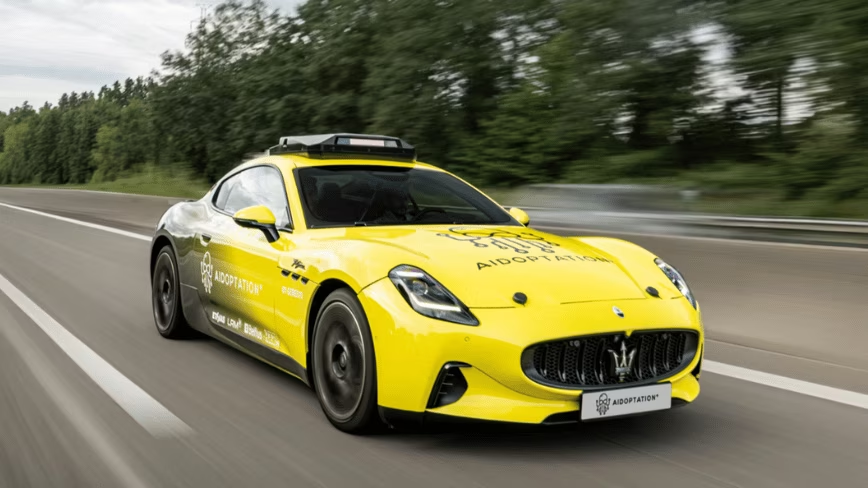
Aidoptation can now test a fully self-driving car at highway speed on Belgian public roads. It is the first Level 4 permit of its kind in the European Union. The company announced the approval, which covers 100 km of the E313 and E314 motorways in Limburg.
Level 4 means the car handles everything, with no human needed to watch the road. That sets it apart from the driver-assist tools Europe has tested so far. Tesla’s FSD, for one, is Level 2 and keeps the human legally in charge. Aidoptation’s test car is a Maserati GranTurismo Folgore, an electric coupe carrying lidar, radar, cameras, and robotics hardware.
Built for the fast, deadly bit
Most self-driving attention goes to slow city robotaxis. Aidoptation is aiming at the opposite end. Its target is the motorway, where crashes are rarer but far more likely to kill. At 120 km/h, a car travels more than 50 metres in the 1.5 seconds an average driver takes to react.
The company grew out of the Indy Autonomous Challenge, a driverless racing series. Its engineers set an autonomous speed record of 318 km/h at the Kennedy Space Center in a driverless Maserati MC20. Its product, EdgeDrive, targets the split-second emergencies that appear at speed: sudden obstacles, hard avoidance, and low-grip surfaces.
The no-AI pitch
Here is the unusual part. EdgeDrive uses no AI in its driving decisions. It runs on what Aidoptation calls first-principles deterministic models. Every choice the car makes is traceable and auditable, the company says. It argues that reassures regulators and insurers in a way a neural network cannot.
That is a pointed stance. Most of the robotaxi industry leans hard on machine learning. It has faced hard questions when a car does something unexplained. A system you can read line by line is an easier sell to a safety regulator.
Slow and careful
The testing will not be a free-for-all. A human safety driver sits behind the wheel throughout, ready to take over at any moment. It follows a phased plan, under protocols set with the Federal Public Service Mobility and the Flemish roads agency. The Belgian insurer Ethias covers the project, and also backs the company.
Flanders is treating it as a flag to plant. Local ministers cast the permit as proof that the region can lead in autonomous driving, not just follow. Aidoptation launched only in 2025. Its backers include LRM, SFPIM, Ethias Ventures, and Belfius Bank.
Why it matters
Europe has trailed the US and China on public-road autonomy, slowed by caution and paperwork. A first Level 4 highway permit, even a careful one with a safety driver, is a real marker. Whether a deterministic, no-AI system can match the messy real world at 120 km/h is what these tests will show.
View original source — The Next Web ↗
Related stories
TechRadar
TechnologyJul 9, 2026 · 1 min
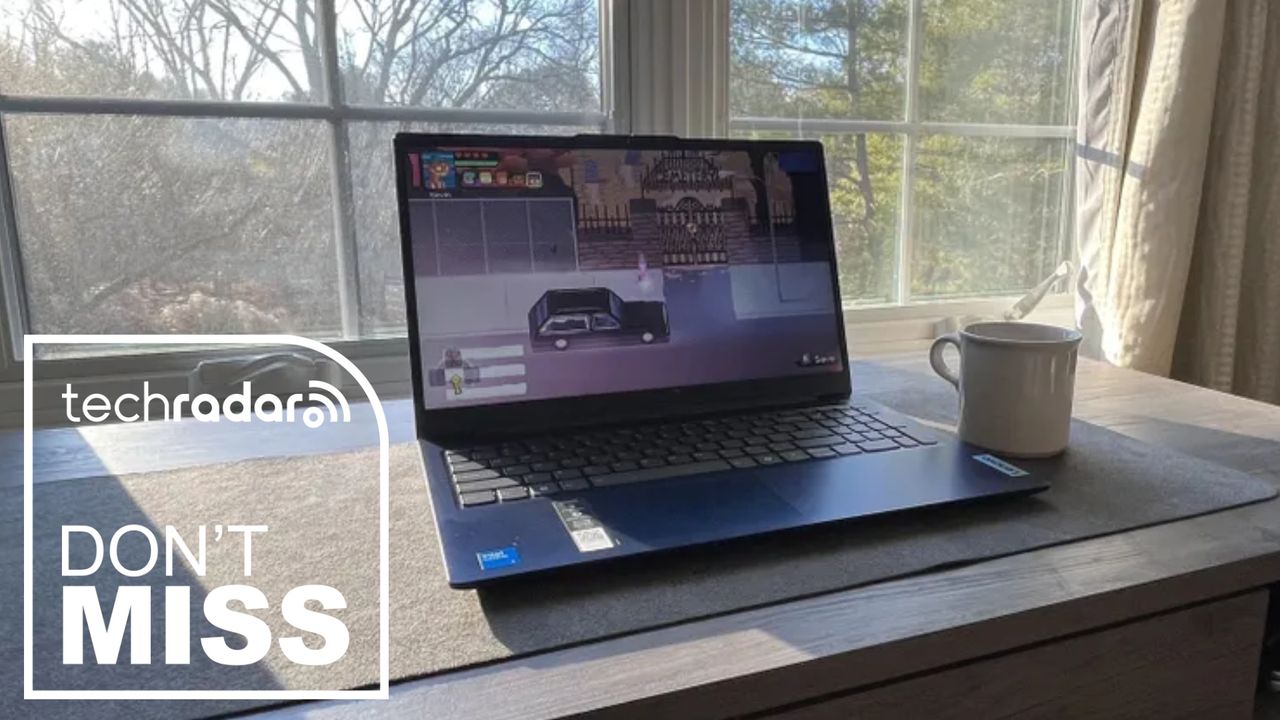
The Lenovo IdeaPad Slim 3 is 'great value for those that just need a Windows computer'
TechRadar

TechRadar
TechnologyJul 9, 2026 · 1 min
These popular Tenda routers have an unpatched security backdoor which could give hackers access
TechRadar

The Verge
TechnologyJul 9, 2026 · 1 min
Google’s Nest Thermostat has hit its best price of the year
The Verge

TechRadar
TechnologyJul 9, 2026 · 1 min
Universal is dropping a twisted new romance movie next month — and it’s perfect for fans of the horror hit Obsession
TechRadar