
Hacker Noon
Everyone Has the Same AI Now, How Do You Stand Out From the Crowd?
\ AI Parity: What is it? And How to Differentiate Yourself From the Common Remember around two years ago? Back then, having a strong AI feature was a competitive edge, a secret weapon that everyone strives for. In 2026, when every “big tech announcement” is just another AI integration, it has now become a baseline expectation. Industry analysts describe this shift as AI commoditization : the point at which most well-funded startups have access to capable AI models and comparable tools, which also means comparable speed in shipping AI-integrated features. Therefore, AI stops functioning as a competitive edge. As one Forbes analysis put it, once democratized AI reaches this stage, "there's little to no competitive differentiation" left in the technology itself. In practice, this means the AI layer that once separated a category leader from its competitors - response quality, integration speed, feature sophistication - has become widely accessible across the board. Foundation models are commoditized, implementation playbooks are public, and the technical gap between a well-funded startup and its closest rival has narrowed down to visibly nothing. And when the underlying technology stops being the differentiator, the competitive battle moves somewhere else entirely. \ "Better AI" Has Stopped Being a Growth Strategy Harvard Business Review has made a similar case, way back in 2024, noting that any edge gained purely from using generative AI tools faster or better than competitors "will be only temporary" as the tools themselves quickly become table stakes, forcing companies to rethink their underlying business strategy instead. This isn't a temporary market condition. It reflects a broader pattern that technology researchers have long observed: as a capability becomes ubiquitous, its strategic value declines even as its usefulness increases. \ Where the Differentiation Now Lives Technology has flattened, but there are several areas where a durable edge still exists: Proprietary data and domain knowledge : the specific, hard-to-replicate information that fuels an AI system, rather than the AI system itself. Product discovery and problem understanding : knowing precisely which problem is worth solving, since "the question 'should we even build this?' is more critical to creating a moat than the technology itself". Distribution and trust-based ecosystems : companies that win are increasingly "those that build the best systems for implementation, trust, and workflow integration" around widely available models. Classic business moats : network effects, brand reputation, and deep industry integration, which analysts note are resurging in importance as software itself becomes easier to replicate. None of these require a bigger model. They require sharper judgment about where to focus limited resources. \ The Narrative Advantage Is Underrated Of the four levers above, narrative and trust tend to be the most overlooked by technical founders, and arguably the most durable moat left standing when the technology itself is table stakes. A founder who can articulate a clear, specific point of view on a real industry problem builds something a competitor's roadmap can't instantly replicate: credibility. That credibility compounds when it's shared consistently, in front of the right audience, over time. This is precisely the gap HackerNoon's Business Blogging Program is built to close -- giving founders a platform with 4M+ monthly readers, 87+ domain authority, and global distribution to turn hard-won technical insight into a recognizable market voice. In a year where AI parity has leveled the playing field, the founders who win won't necessarily have the best model. They'll be the ones who were understood first. \ :::tip Start building your narrative on HackerNoon today. ::: \ Great Startups You Should Know About! Aristocrat Media \ Aristocrat Media is an event management and media communication company that combines style, creativity, and quality to turn client visions into unforgettable experiences. Beyond event planning, they serve as media partners for third-party events, amplifying reach and impact through their website and social platforms, while also creating recognition initiatives that celebrate the achievements of individuals and organizations. With innovation at their core, Aristocrat Media continually develops fresh ideas and themes designed to keep events relevant in an ever-evolving market. Based in Mumbai, India , the company was nominated amongst the top startups in Events , Social Media , and Marketing during the HackerNoon Startups of The Year 2024 campaign. \ IT-DAY \ IT-DAY is Denmark's leading platform connecting IT talents with top industry companies, founded by IT students with a vision to build meaningful professional networks. The organization runs three major annual IT career fairs in Aalborg, Odense, and Copenhagen, alongside customized company events and an IT job portal for student jobs, internships, and full-time roles. By bridging students, graduates, professionals, and businesses, IT-DAY has positioned itself as a central hub driving growth and collaboration across Denmark's IT sector. Based in Aalborg, Denmark , the company was amongst the best startups in Events , Marketing , and Entertainment in the HackerNoon Startups of The Year 2024 campaign. \ Zomni (Now Nooki Software Solutions) \ Nooki is a web development federation that builds cost-efficient, future-proof digital solutions for companies aiming to create real impact. The company offers end-to-end support across the full product lifecycle — from initial idea and design through development and post-launch maintenance Based in Chisinau, Modolva , the company was nominated amongst the best startups in Events , Travel & Hospotality , and Logistics & Supply Chain in the HackerNoon Startups of The Year 2024 campaign. \ :::tip Want to be featured? Share Your Startup's Story Today! ::: \ That’s all for this week. Until next time, hackers! \
View original source — Hacker Noon ↗
Related stories
TechRadar
TechnologyJul 9, 2026 · 1 min
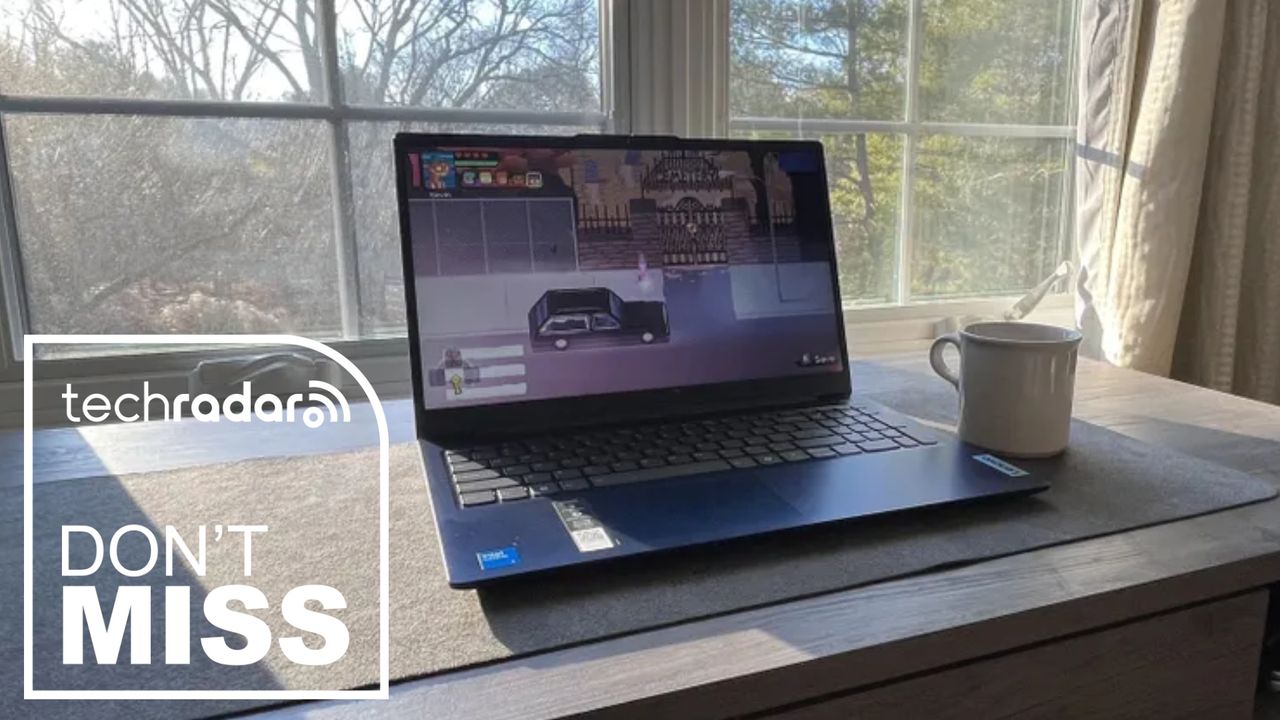
The Lenovo IdeaPad Slim 3 is 'great value for those that just need a Windows computer'
TechRadar

TechRadar
TechnologyJul 9, 2026 · 1 min
These popular Tenda routers have an unpatched security backdoor which could give hackers access
TechRadar

The Verge
TechnologyJul 9, 2026 · 1 min
Google’s Nest Thermostat has hit its best price of the year
The Verge

TechRadar
TechnologyJul 9, 2026 · 1 min
Universal is dropping a twisted new romance movie next month — and it’s perfect for fans of the horror hit Obsession
TechRadar