The Guardian
Troubled Middlesex appoint former British Cycling chief as doubts grow over CEO’s future
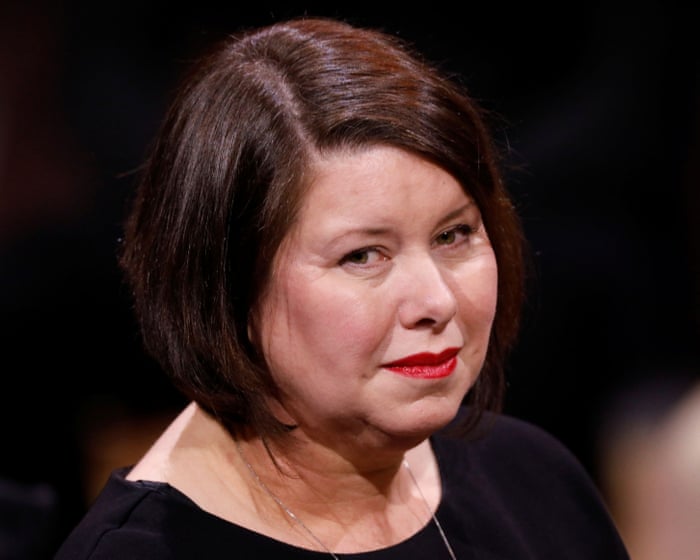
Middlesex have appointed the former British Cycling CEO Julie Harrington as interim chief executive in a strong indication that Andrew Cornish will not be returning to the club.
Cornish has been absent from Middlesex since November when the club received a complaint of alleged misconduct from a fellow staff member, as revealed by he Guardian.
Cornish has since been investigated by the Cricket Regulator, which is understood to have interviewed all parties and completed its investigation, but has not announced a verdict. Cornish denied all allegations of misconduct at the time he first took what was described as a leave of absence from Middlesex, but has not commented since.
The Marylebone Cricket Club leant Middlesex the services of their chief operating officer, Mahdi Choudhury, to help with the running of the club during the winter but he returned to his day job in April.
The appointment of Harrington is an acknowledgment that Middlesex require stronger executive leadership, with club sources saying she could end up taking the job permanently depending on the Cricket Regulator’s judgment on Cornish. Recruiting Harrington is a coup for Middlesex, who have been battling numerous financial and disciplinary problems in recent years. Having started in sport as operations director at the Football Association she spent four years as chief executive of British Cycling between 2017 and 2021 before taking the same role at the British Horseracing Authority, standing down two years ago.
In a statement Richard Sykes, the Middlesex chair, said: “We are delighted to welcome Julie to Middlesex Cricket as Interim CEO. Her extensive leadership experience across major sports will be valuable as we enter this important new chapter.”
Harrington, who will start her role on 20 July, added: “Middlesex is one of county cricket’s great names, and I am looking forward to bringing my experience from high-performing sporting environments to work with the board, staff, players and members. Together, we will support the club through this period and help ensure it is well placed for the future.”
View original source — The Guardian ↗
Related stories

ESPN
SportsJul 9, 2026 · 1 min
Ducks match Flyers' $90M offer to Carlsson
ESPN

BBC Sport
SportsJul 9, 2026 · 1 min
McIlroy shoots five-under opening round to share Scottish Open lead
BBC Sport
TASS
SportsJul 9, 2026 · 1 min
Russia’s FIS chief says work underway to clear Russians for int’l competitions
TASS

BBC Sport
SportsJul 9, 2026 · 1 min
'Archer's got him again!' - Sooryavanshi goes for 15
BBC Sport