The Next Web
Google will now tell you which ads were made with AI, if the advertiser admits it
Google is rolling out a feature that flags when an advertisement was made using AI. The label will indicate if an ad was created or edited with generative tools, TechCrunch reports.
The disclosure appears in the “My Ad Center” panel, reachable via the three-dot menu or info icon on ads. It covers ads across Google Search, YouTube, and Google Discover, and is available globally.
That panel already lets users block or report ads and learn why one was shown. Now it adds an option labelled “how this ad was made”, which surfaces any AI involvement.
The rationale is straightforward. AI makes it cheap to generate slick product imagery, which can mislead shoppers who assume they are looking at a real photograph rather than a synthetic one.
The 💜 of EU tech
The latest rumblings from the EU tech scene, a story from our wise ol' founder Boris, and some questionable AI art. It's free, every week, in your inbox. Sign up now!
Until now, Google only required AI disclosure on election ads. Extending it to commercial ads is a meaningful widening of the policy.
The honour-system catch
The reach of the feature depends heavily on how an ad was built. When advertisers use Google’s own generative AI ad tools, the disclosure is switched on automatically.
When an ad is made elsewhere, though, the advertiser must actively flag that AI was involved. Google says it will not run its own check to verify the claim, so the label rests on advertisers being honest.
That gap matters because the incentive to stay quiet is real. An advertiser hoping a synthetic scene passes for a genuine photo has little reason to volunteer otherwise, and Google is not looking over its shoulder.
Regulators are forcing the issue
The timing is not accidental. Google’s move front-runs tougher rules, as the EU AI Act’s transparency obligations for AI-generated content start to bite in August.
Industry is already resisting the mandatory version, with retailers lobbying to exempt AI-made ads from those EU rules. A voluntary, self-declared label is a far lighter touch than what Brussels has in mind, and part of a broader fight over the AI Act.
Google is not consistent across its own products either. On YouTube it will auto-label AI videos whether or not creators disclose them, a stricter stance than the advertiser honesty it relies on here.
Transparency, up to a point
The feature is still a step toward a market drowning in synthetic media, where even Google has branded some AI content spam. Giving users a place to ask how an ad was made is better than silence.
Whether it changes behaviour is another question, in an ecosystem where deceptive advertising is already a lucrative problem. A label only helps if the people with the most to hide choose to apply it.
For now, Google has built the disclosure and handed advertisers the switch. The honest ones will flip it, and the rest are exactly the reason such a label was needed.
View original source — The Next Web ↗
Related stories

TechRadar
TechnologyJul 9, 2026 · 1 min
YouTuber smashes Guinness World Record for longest drone flight with a huge 261-minute time
TechRadar
Engadget
TechnologyJul 9, 2026 · 1 min
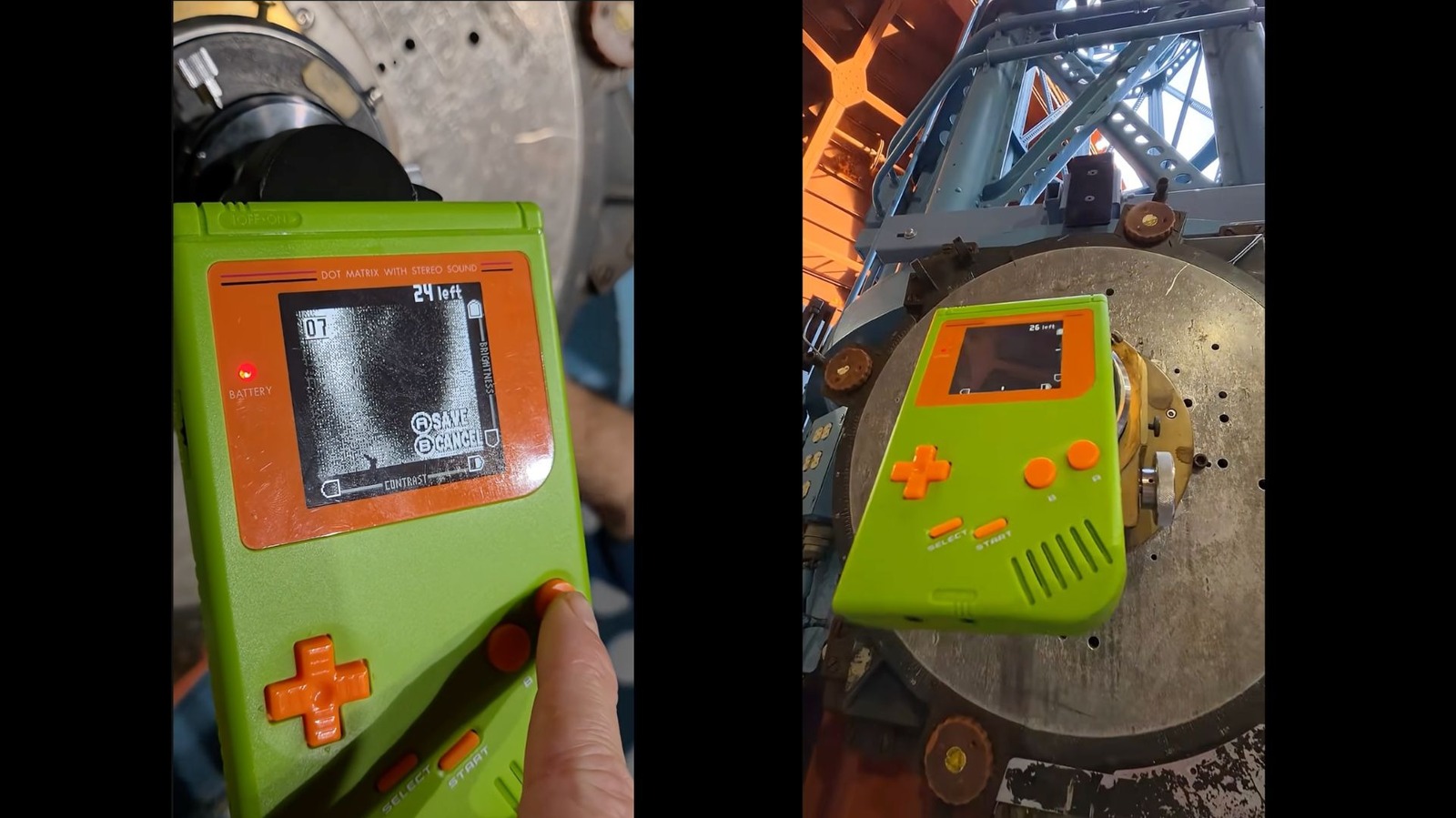
Guy who took photo of Jupiter with a Game Boy Camera and giant telescope publishes DIY tutorial
Engadget
Philippine Daily Inquirer
TechnologyJul 9, 2026 · 1 min
Trumping Gemini: First the good news
Philippine Daily Inquirer

CNET
TechnologyJul 9, 2026 · 1 min
Meta Introduces a Big New AI Model for the Agentic Age
CNET