The Next Web
Bezos opens Blue Origin to outside investors for the first time in 26 years
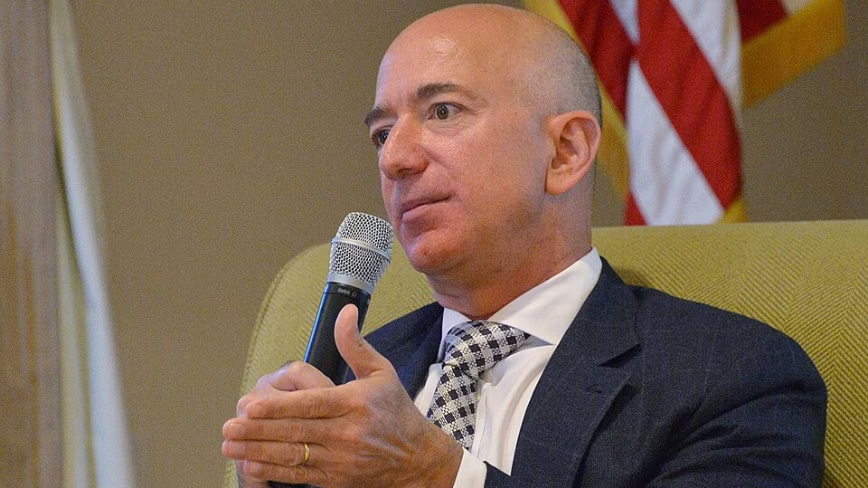
Jeff Bezos is letting outside investors into Blue Origin for the first time since he founded it in 2000. The rocket company is seeking about $10bn in fresh capital at a $130bn pre-money valuation, according to CNBC.
For 26 years, Bezos bankrolled the company himself, selling billions in Amazon stock rather than sharing ownership. That solo-funding era is now over.
He is not stepping back entirely, with reporting suggesting he will put around $2bn into the round himself. Hedge fund Coatue Management is expected to add roughly $4bn, with strong institutional interest for the rest.
The obvious question is what changed. The blunt answer is that staying in the space race has outgrown even one of the world’s richest people.
A costly stretch of bad timing
The 💜 of EU tech
The latest rumblings from the EU tech scene, a story from our wise ol' founder Boris, and some questionable AI art. It's free, every week, in your inbox. Sign up now!
Blue Origin is trying to do several expensive things at once. It is recovering from a failed New Glenn static-fire test that destroyed a launch pad, while scaling production of that same heavy-lift rocket.
New Glenn is the vehicle Blue Origin is counting on for lunar and national-security missions. Chief executive Dave Limp has committed to returning it to flight before the end of 2026, with launches planned for NASA, Amazon’s Leo satellite network, and AST SpaceMobile.
That combination of recovery and scale-up, more than any single rival’s move, is the sharper reason for the timing. Founder wealth alone cannot comfortably absorb costs at this pace.
Chasing a rival worth far more
The backdrop is SpaceX, which just pulled off the largest IPO in history. It raised a record sum, reportedly near $86bn, at a valuation around $2tn, even as its filing confirmed Musk keeps dominant voting control.
SpaceX’s lead is built on reusable rockets, Starlink, and government work, including a $2.29bn Space Force contract. Catching up on lunar and defence launches now takes tens of billions, not a founder’s cheque.
Investor appetite for space has swelled since that listing, as money that once flowed into SpaceX proxies now has the real thing to chase. Rivals from Stoke Space to Firefly have raised or gone public on the same wave.
Blue Origin has taken only limited outside money before, including a 2021 grant and a 2022 acquisition, and it has not disclosed a closing timeline. Whether $10bn narrows the SpaceX gap or merely buys time depends far less on the capital than on one thing: getting New Glenn back to the launch pad, and off it.
View original source — The Next Web ↗
Related stories
TechRadar
TechnologyJul 9, 2026 · 1 min
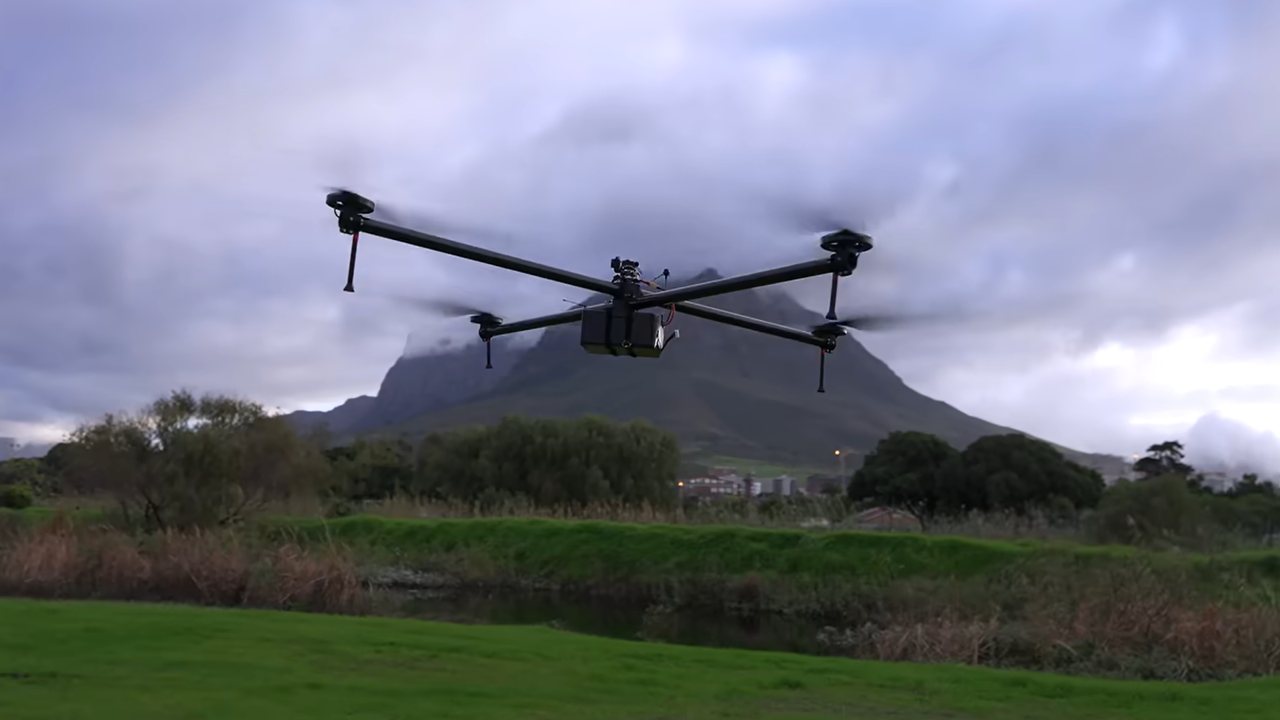
YouTuber smashes Guinness World Record for longest drone flight with a huge 261-minute time
TechRadar
Engadget
TechnologyJul 9, 2026 · 1 min
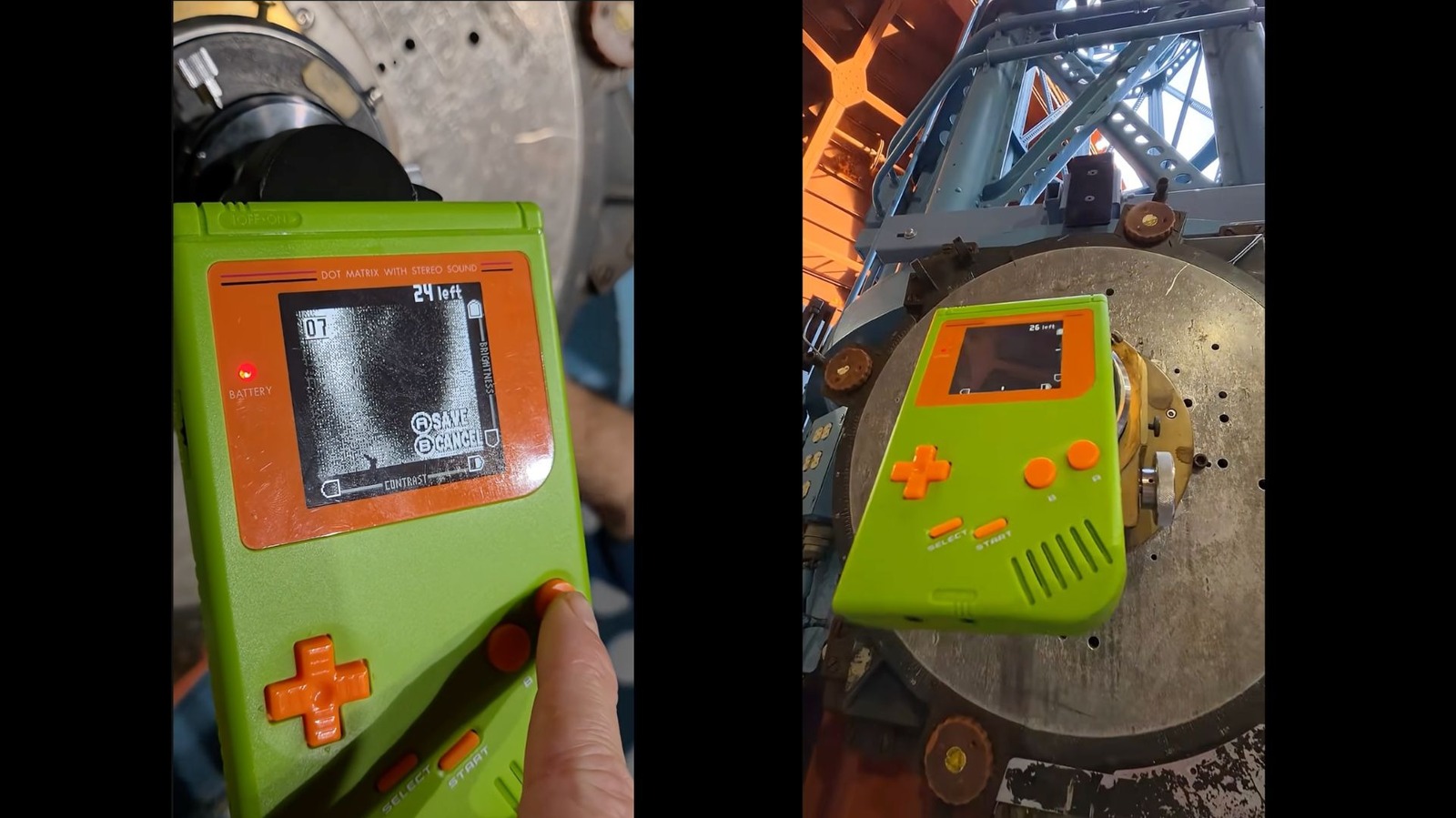
Guy who took photo of Jupiter with a Game Boy Camera and giant telescope publishes DIY tutorial
Engadget

Philippine Daily Inquirer
TechnologyJul 9, 2026 · 1 min
Trumping Gemini: First the good news
Philippine Daily Inquirer

CNET
TechnologyJul 9, 2026 · 1 min
Meta Introduces a Big New AI Model for the Agentic Age
CNET