Indian Express
Government clears Dixon (India)-Vivo (China) joint venture for manufacturing smartphones
In one of the first major approvals to Chinese investment in a strategic sector, the Centre has cleared a joint venture between Dixon Technologies (India) Limited and Vivo Mobile India Limited (VMI) for manufacturing electronic devices and smartphones in the country, a BSE (Bombay Stock Exchange) filing showed.
“We would also like to intimate that VMI has today received approval of Government of India vide letter dated July 8, 2026, in terms of Press Note 3 of 2020 issued by the Department of Promotion of Industry and Internal Trade, Ministry of Commerce and Industry, for incorporation of the JV Co and subscription of shares of JV Co by VMI,” the Noida-headquartered Dixon Technologies (India) Limited said in a company filing.
Press Note 3 refers to an April 2020 regulation imposing restrictions on investments from China, making government approval mandatory for investments from countries sharing a land border with India. The move was aimed at preventing opportunistic takeovers during the Covid-19 pandemic, and remained in force amid heightened security concerns following the Galwan clash later that year.
It was primarily targeted at Chinese investors, as Bangladesh and Pakistan entities can invest only via the government route, while investments from other bordering countries like Nepal, Myanmar, Bhutan and Afghanistan account for a very small share of India’s total foreign investment inflows.
However, tense trade ties with the US now seem to be pushing India towards a more balanced economic relationship with China.
Dixon Technologies said the joint venture has been formed to act as an Original Equipment Manufacturer (OEM) for electronic devices, specifically smartphones, and would be owned 51% by Dixon and 49% by Vivo Mobile India.
This comes as the Finance Ministry, in a major overhaul on Wednesday, exempted Customs duty on 85 capital goods used in lithium-ion cell manufacturing as well as inputs used in the manufacture of display assemblies, inductor-coil modules for wireless charging in cellphones, until March 2029 to promote domestic manufacturing.
Story continues below this ad
A ministry official said the exemptions are intended to provide impetus to domestic manufacturing of display assemblies used in automotive, medical and industrial sectors. Import duty exemption for inputs used in the manufacture of inductor coil modules for wireless charging in mobile phones will further deepen the value addition in mobile phone manufacturing, the official said.
The approval to the Dixon-Vivo JV comes days after the Finance Ministry allowed four Chinese power equipment manufacturing companies with factories in India to participate in government tenders for critical power projects.
The four firms — TBEA Energy, Nanjing Electric India, New Northeast Electric India and Taikai Electric (India) — have been exempted from the provisions of the public procurement rules, which require entities from countries sharing a land border with India to register with the relevant Indian authority to be eligible to bid in the procurement of goods, services or works.
All four firms manufacture key power sector equipment such as transformers, wires, high-voltage switchgear and gas-insulated switchgear, which are used in transmission lines. On its website, New Northeast Electric India shows at least 11 transmission line projects across India.
Story continues below this ad
In March, the government had approved a 60-day deadline for clearing investment proposals from land-bordering countries (LBCs) including China for capital goods, electronic capital goods, electronic components, polysilicon and ingot-wafer for solar cells.
Under the revised investment norms, the majority shareholding and control of the investee entity will be with resident Indian citizen(s) and/ or resident Indian entity(ies) owned and controlled by resident Indian citizen(s), at all times, an official release of the Cabinet decision had said.
View original source — Indian Express ↗
Related stories
CNA
BusinessJul 10, 2026 · 1 min
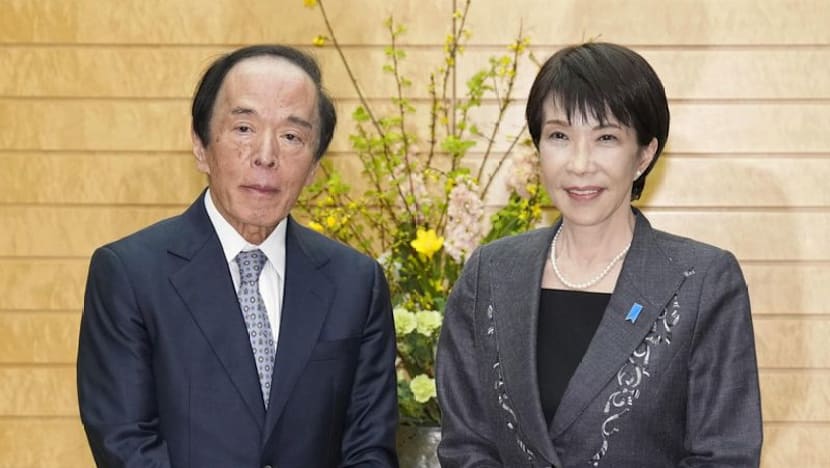
Japan will not convey in advance preference on BOJ policy, minister says
CNA
CNA
BusinessJul 10, 2026 · 1 min
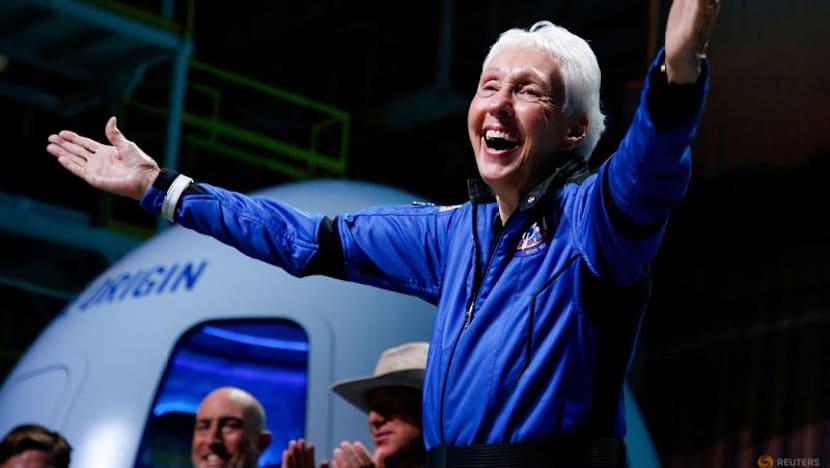
Pioneering aviator and astronaut trainee Wally Funk dead at 87
CNA
Bloomberg
BusinessJul 10, 2026 · 1 min
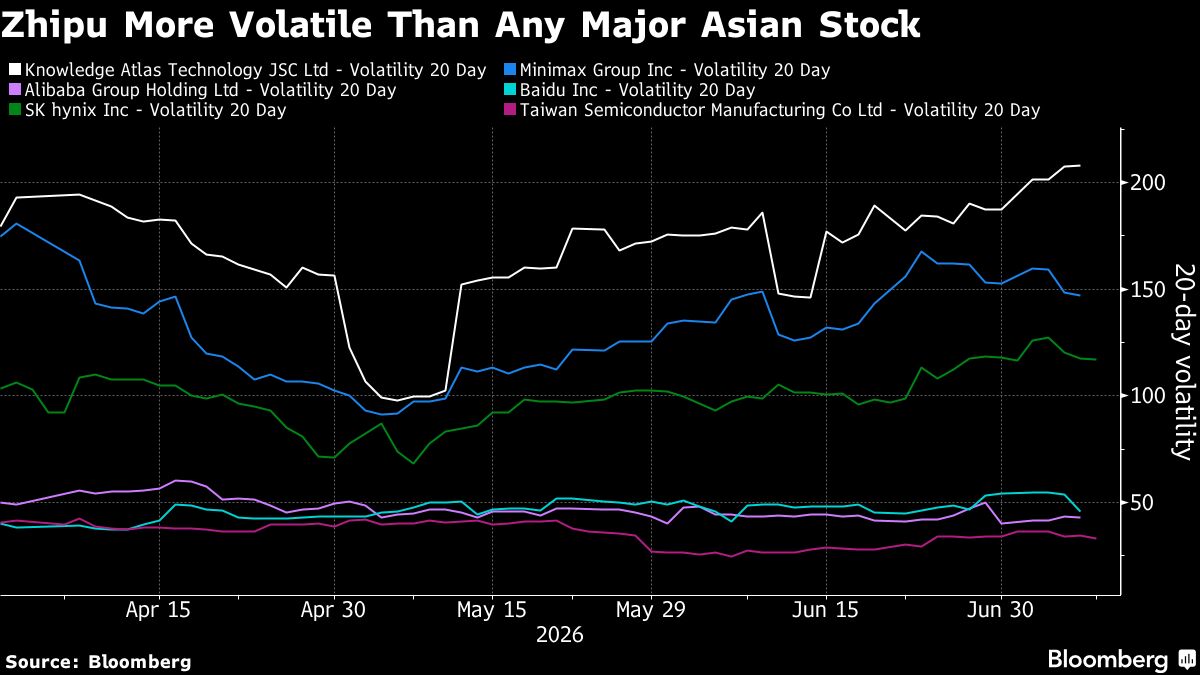
China AI Star Zhipu’s ‘Low Float’ Risk Persists After Share Sale
Bloomberg
Bloomberg
BusinessJul 10, 2026 · 1 min
Emerging: AI Sovereignty Isn't "Self-Sufficiency"
Bloomberg