
OnlineKhabar
Bird Flu: What consumers need to know about eating chicken
Reports of bird flu outbreaks in different parts of the country often leave consumers worried and confused. Whenever an outbreak is confirmed at a poultry farm, many people ask the same question: Is it still safe to eat chicken?
Here are expert answers to the most common questions:
1. How does bird flu spread to humans? Who is most at risk?
Bird flu can spread to humans through contact with the droppings, saliva, feathers, or other bodily fluids of infected birds. Those at the highest risk include poultry farm workers, people involved in slaughtering chickens, handling dead birds, or cleaning contaminated poultry sheds. The virus can also enter the body through contaminated dust or airborne particles.
However, bird flu has not been shown to spread easily from person to person.
2. Is it safe to eat meat from a bird infected with bird flu?
Properly cooked chicken does not pose a risk because the virus cannot survive high cooking temperatures. The virus is inactivated at temperatures above 70°C (158°F). Thoroughly cooked chicken and eggs are therefore considered safe to eat.
However, raw or undercooked poultry can carry a risk. People should wash their hands thoroughly with soap after handling raw meat, keep raw and cooked foods separate, and maintain good kitchen hygiene.
That said, according to international public health standards, infected animals should not enter the food supply. If a chicken is confirmed to be infected with bird flu, its meat is not considered suitable for consumption, even though proper cooking can destroy the virus.
3. How can you recognise a chicken infected with bird flu?
Common signs of bird flu in poultry include:
Sudden death of multiple birds
Reduced feed intake
Lethargy
A sharp decline in egg production
Difficulty breathing
Swelling of the head
Anyone noticing these symptoms should immediately inform the local livestock authorities. Concealing an outbreak increases the risk of further spread.
4. How can infected chickens reach the market?
Under normal circumstances, government authorities cull infected poultry and impose restrictions on the sale and distribution of birds from affected areas.
However, due to lack of awareness, negligence, or attempts to reduce financial losses, there is a risk that infected or suspected birds may be sold illegally. Consumers are therefore advised not to buy poultry from unknown or unreliable sources.
It is safest to purchase chicken only from reputable, licensed, and regularly inspected retailers.
5. Should people stop eating all chicken after a bird flu outbreak?
No. A bird flu outbreak does not mean that all chicken is unsafe to eat.
Chicken and poultry products from farms that have been certified disease-free by the relevant authorities can continue to be consumed safely.
What precautions should consumers take?
When buying chicken, consumers should pay attention to its source and avoid meat from birds that appeared sick, died unexpectedly, or are suspected of being infected.
Good hygiene is essential during food preparation. Knives, cutting boards, utensils, and hands that come into contact with raw poultry should be thoroughly washed with soap and water. Chicken should always be cooked completely before eating.
Most importantly, consumers should not use meat from poultry that has been confirmed or suspected to be infected with bird flu or from areas under disease control measures. They should rely on official advisories and guidance from public health authorities when making purchasing decisions.
View original source — OnlineKhabar ↗
Related stories

The Hill
PoliticsJul 10, 2026 · 1 min
Former Trump staffer: Vance ‘set up’ as ‘fall guy’ for Iran deal
The Hill

The New York Times
PoliticsJul 10, 2026 · 1 min
Police Investigating Donations to Reform U.K., Reports Say
The New York Times

Al Jazeera
PoliticsJul 10, 2026 · 1 min
Andy Burnham apology for Labour stance on Gaza: Is UK’s position shifting?
Al Jazeera
The Guardian
PoliticsJul 10, 2026 · 1 min
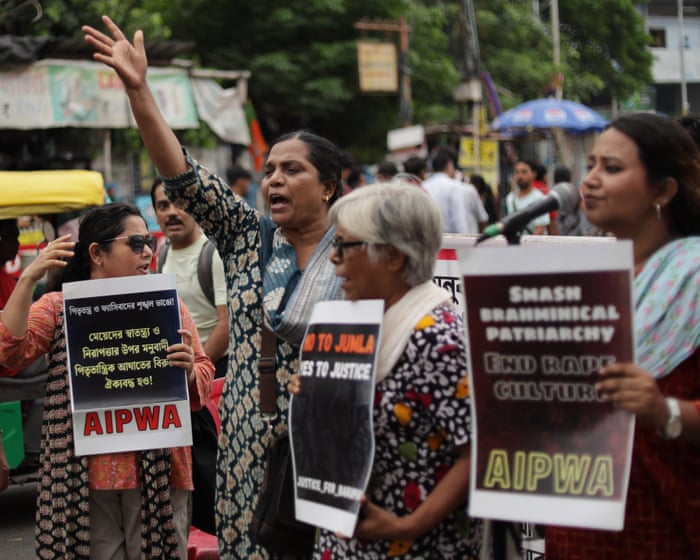
Protests engulf Indian state after rape and murder of 11-year-old girl
The Guardian