Indian Express
From 200-year-old tradition to Rs 100-crore footwear business: Jodhpuri Mojari’s journey to global recognition
3 min readJaipurUpdated: Jul 11, 2026 08:16 AM IST
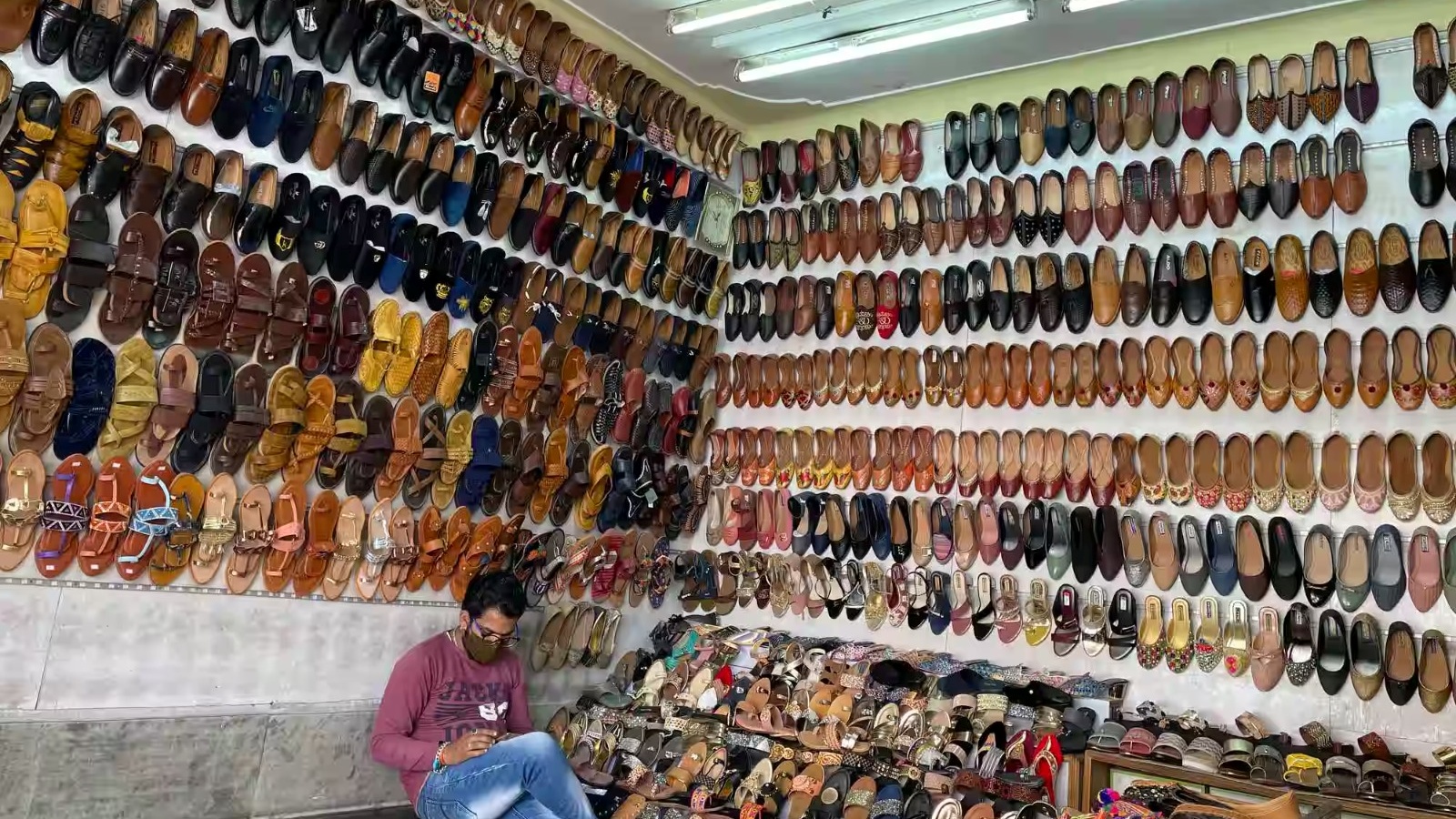
The domestic market for Jodhpuri Mojari is estimated to be around ₹100 crore, while exports are worth about ₹10 crore. Industry experts believe the GI tag could boost exports and double the business within two years by expanding export opportunities.
(Photo: Parul Kulshrestha)
The Centre has granted a Geographical Indication (GI) tag to Jodhpur’s nearly 200-year-old Mojari craft, giving the traditional footwear official recognition and a boost in global branding.
The GI Registry handed over the GI certificate to the Jodhpur Handicraft Exporters Association and the Gram Vikas Seva Sansthan on Wednesday. According to the members of the organisations, they had applied for the GI tag in 2021 with support of the Union Ministry of Textiles and the Development Commissioner (Handicrafts). The recognition is being seen as a major milestone for Jodhpur’s handicraft industry.
According to the president of Jodhpur Handicraft Exporters Association, Bharat Dinesh, this tag is expected to give the industry a significant fillip.
“There are around 400 manufacturers and over 35,000 artisans associated with this trade. Once patronised by the royals, the Mojari gradually evolved into a distinctive craft giving the city a unique identification. Today, artisans practice the craft in over 5,000 households in Jodhpur,” said Dinesh.
Jodhpuri Mojari are crafted by members of a caste called Jinagar, who according to researchers, were traditionally saddle makers.
Madan Meena, executive member of Kota Heritage Society, said, “The community adopted shoemaking some 250 years ago. They made jeen (saddle) and myaan (leather sheaths for swords and daggers) for the armies. Due to their tradition of making jeen (saddle), they were recognized as Jingars (makers of jeen).”
Meena cited a legend that traces the community’s shifting to shoemaking. During the wedding of a Jodhpur ruler’s daughter, the Jingars decided to give a pair of leather shoes with one concealed into the other in such a manner that it looked as if it was only one shoe. Impressed, the ruler appreciated their craftsmanship and suggested they adopt the profession of shoemaking. After that, Jingars are said to have started making fine leather shoes with women decorating them with intricate embroidery.
Story continues below this ad
“Slowly it became their main profession. Nomadic and farming communities preferred these shoes, often commissioning customized shoes and designs. Many families have remained their permanent customers for generations,” said Meena.
The domestic market for Jodhpuri Mojari is estimated to be around ₹100 crore, while exports are worth about ₹10 crore. Industry experts believe the GI tag could boost exports and double the business within two years by expanding export opportunities.
Dinesh said artisans lack innovation and technological advancement. “We expect the government will promote the craft after this recognition and hope that designers from across the country will show interest in this,” he added.
Parul Kulshrestha is a Principal Correspondent for The Indian Express, based in Rajasthan. A lawyer turned journalist, she brings a unique cross-disciplinary perspective to her reporting, blending legal precision with deep social inquiry to cover one of India's most culturally and politically vibrant regions.
Expertise and Experience
Legal-Journalistic Synergy: Parul’s transition from a legal background to mainstream journalism provides her with a distinct advantage in interpreting policy, legislation, and judicial impacts. This expertise allows her to "read between the lines" of government orders and court rulings affecting the public.
Diverse Beat: With years of experience across both mainstream newsrooms and independent journalism, she has built high-level authority in several critical areas:
Nomadic Tribes & Marginalized Communities: She is recognized for her sensitive and in-depth reporting on the struggles and rights of Rajasthan's nomadic populations, often giving a voice to those outside the traditional political spotlight.
Gender & Social Justice: Parul focuses on the intersection of law and gender, covering issues ranging from women’s safety and reproductive rights to the socio-economic empowerment of rural women.
Environmental & Political Reporting: She tracks Rajasthan’s complex political landscape—including electoral shifts and bureaucratic changes—alongside critical environmental concerns like water scarcity and land use.
Academic & Professional Pedigree: Her background as a lawyer, combined with her rise to the rank of Principal Correspondent at a national broadsheet, establishes her as a senior voice in the media landscape. ... Read More
Stay updated with the latest - Click here to follow us on Instagram
Tags:
Jaipur
View original source — Indian Express ↗
Related stories

Stuff
TechnologyJul 11, 2026 · 1 min
'Missed the mark': Meta removes AI feature on Instagram after global backlash
Stuff

TechRadar
TechnologyJul 11, 2026 · 1 min
New Zealand vs Italy Free Streams: How to watch Nations Championship 2026 game, TV Channels, Preview
TechRadar

The Guardian
TechnologyJul 11, 2026 · 1 min
Most popular porn sites now have age checks for Australians but online watchdog to assess VPN loopholes
The Guardian

Straits Times
TechnologyJul 11, 2026 · 1 min
Apple sues OpenAI, accusing it of stealing company secrets
Straits Times